Venezuela earthquake death toll tops 4,000 amid urgent recovery efforts
Over 4,000 people have been confirmed dead following back-to-back earthquakes in Venezuela, triggering an urgent $300 million humanitarian appeal.
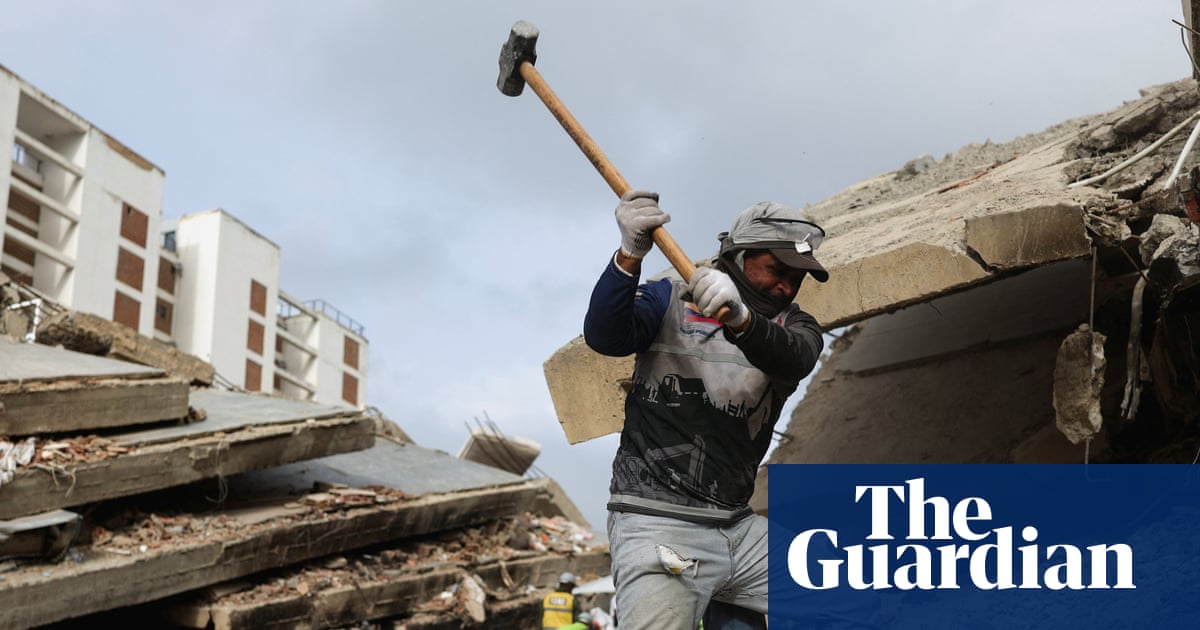
The confirmed death toll from the twin earthquakes that struck Venezuela has surpassed 4,000, as recovery operations transition into a grim search for victims among the ruins. Government officials reported on Friday that 4,118 people have been confirmed dead, with an additional 16,740 injured. The back-to-back seismic events, which occurred on 24 June 2026, have left entire districts in the coastal state of La Guaira flattened and thousands of residents listed as missing.
The disaster began when a 7.2-magnitude earthquake struck, followed just 39 seconds later by a 7.5-magnitude tremor. Experts identified the second shock as the most powerful to hit the nation in over a century. The sequence of events caused high-rise apartment blocks to collapse into layers of rubble. While professional rescue teams have officially halted their search for survivors, families continue to sift through the wreckage in hopes of recovering the remains of their relatives for burial.
Related YouTube video
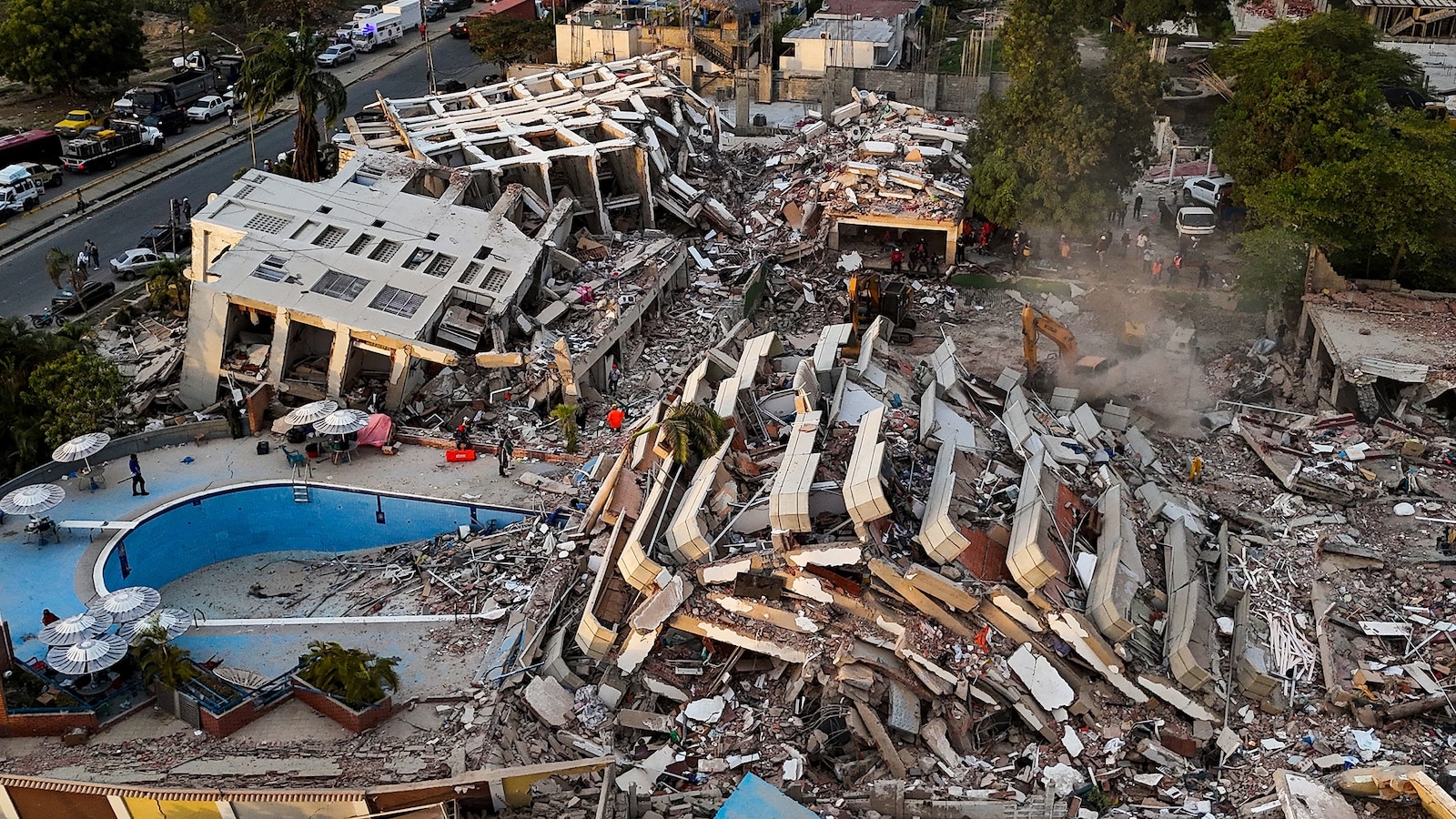
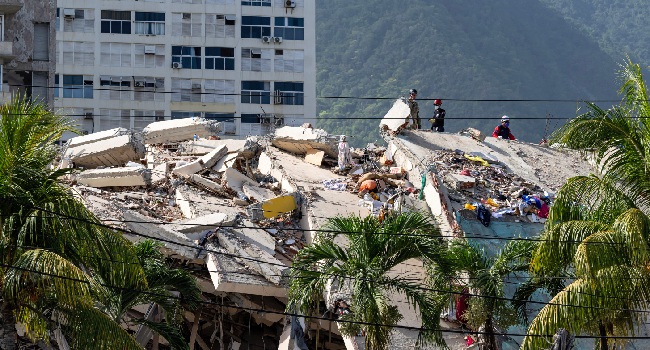

The scale of the recovery effort remains a challenge for a nation currently navigating a prolonged economic crisis. The United Nations on Wednesday issued an urgent appeal for nearly $300 million towards earthquake relief operations to assist 1.3 million people in urgent need of aid. Interim president Delcy Rodríguez has actively campaigned for the release of frozen national assets, including a request to King Charles III for the release of 30 tons of Venezuelan gold currently held under United Kingdom sanctions. Rodríguez has defended the state's emergency response, vowing to prevent social unrest.
Ongoing Instability and Recovery Concerns
Public sentiment regarding the government's response remains polarized. Civilians in some hard-hit areas took direct action to stop heavy machinery from leaving disaster sites, alleging that state workers focused on superficial activities rather than actual recovery work. In the state of La Guaira, some residents blocked an excavator and pulled the operator from its cabin after witnessing state workers taking photographs in front of flattened buildings before departing. The government claims that over 14,000 members of the military and police are patrolling the area, though access remains restricted by special permits.
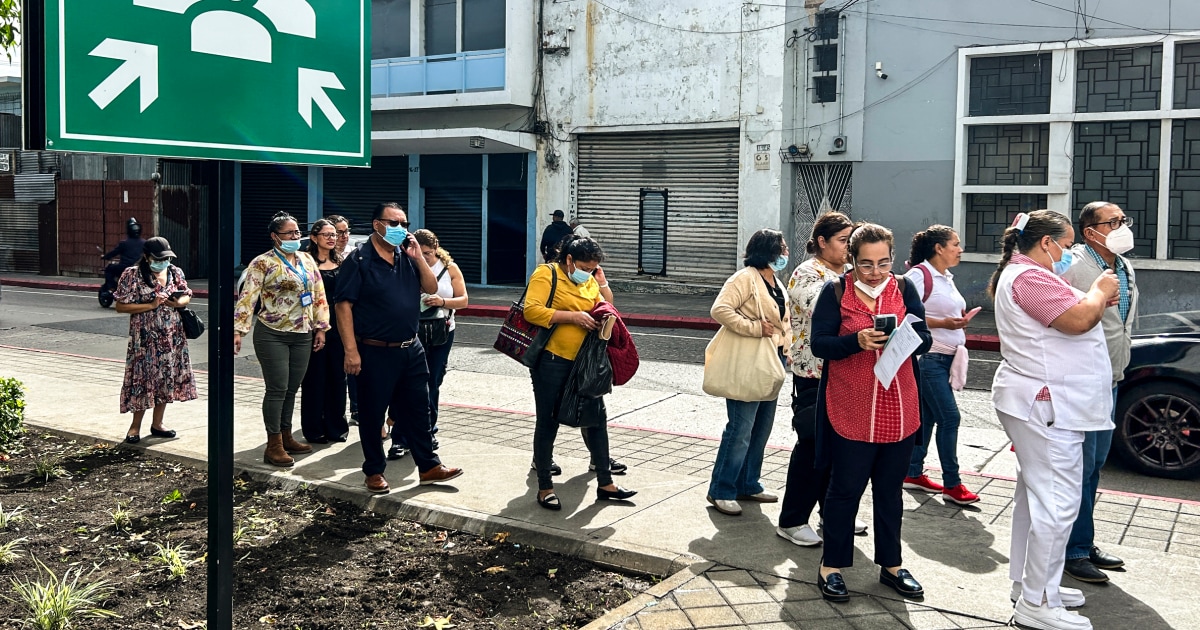
The situation remains volatile due to continued seismic activity. On Friday, a 3.0-magnitude tremor in central Caracas caused momentary panic and led to buildings being evacuated.
Human Impact and Humanitarian Aid
In the immediate aftermath, international teams managed to pull several people alive from the debris. Accounts included a 3-year-old boy rescued in Caracas after being trapped for six days, and an infant who survived after rescuers slid water through a pipe to reach them. Other survivors were pulled from the rubble by international teams from nations including the United States, Mexico, Brazil, France, and Switzerland. Simón Bolívar International Airport sustained damage during the initial quakes, though one runway remained operational to facilitate the arrival of aid and personnel.
The United Nations Office for Disaster Risk Reduction has estimated direct physical damage to housing and infrastructure at approximately $37 billion. In response to the displacement, the Ministry of Education has converted schools into emergency shelters.
- Relief Funding: The government continues to seek access to frozen international assets to fund the reconstruction process.
- Displaced Populations: Emergency relief centres now dot public spaces in the northern state of La Guaira, where most of the devastation occurred.
- Ongoing Threat: Seismologists have noted that the country, located on the boundary of the Caribbean and South American tectonic plates, remains vulnerable to further tremors.
Archypedia is dedicated to independent, evidence-backed reporting. This briefing was synthesized from primary source reporting, corroborated across independent newsrooms, and verified against our Editorial Standards.
Transparency record
Evidence behind this report
This report synthesizes 9 distinct sources. Open the source ledger below to compare the underlying coverage.
- apnews.com
- dw.com
- theguardian.com
- abcnews.com
- channelstv.com
- news24online.com
- myrepublica.nagariknetwork.com
- yahoo.com
- tbsnews.net
Prepared under the Archypedia Editorial Policy by the Samir Haddad editorial desk profile. AI-assisted tools may support drafting and verification; public accountability remains with Archypedia. Report an error.