North Korea and Russia open first cross-border road bridge
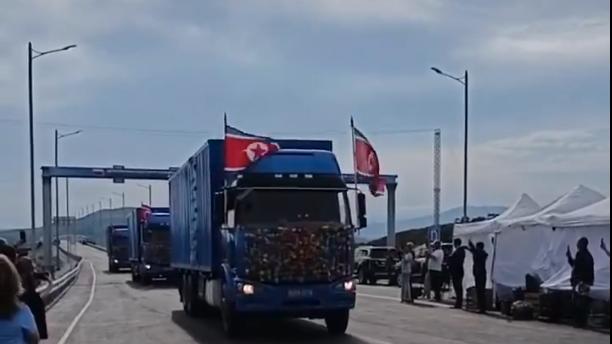
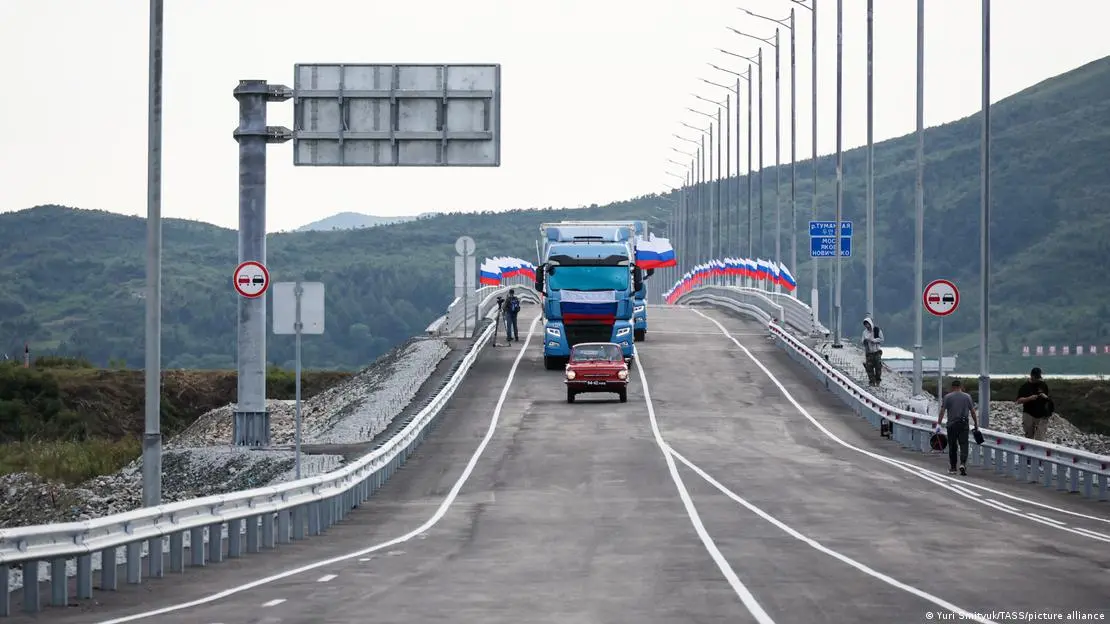
The new two-lane crossing ends a decades-long sole reliance on rail connectivity, facilitating the movement of vehicles between Rason and Khasan.
From Rails to Roads: Expanding Border Connectivity
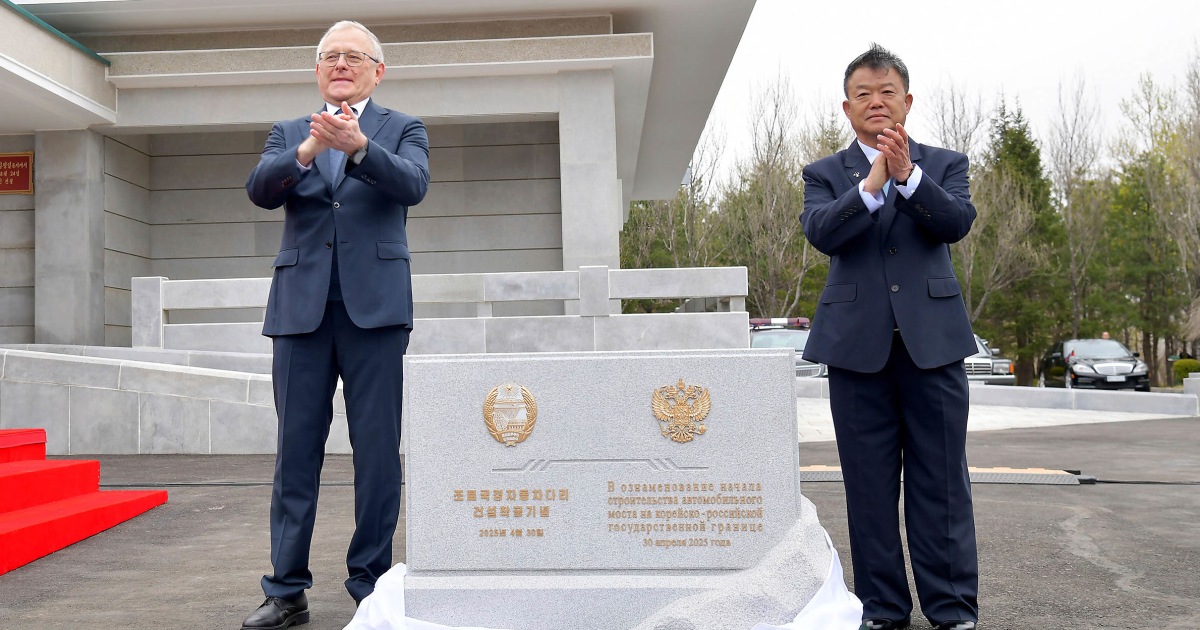
For decades, the only land connection between the two nations was the "Friendship Bridge," a railway link commissioned in 1959 after the Korean War. The new Yakov Novichenko bridge ends this sole reliance on rail, creating a direct automobile route across the Tumen River. Construction began in April 2025, following a June 2024 summit in Pyongyang between Russian President Vladimir Putin and Kim Jong-un.| Specification | Detail |
|---|---|
| Total Length | ~1 kilometer (0.6 mile) |
| Russian Section | 424 meters |
| North Korean Section | 581 meters |
| Lane Configuration | Two lanes |
| Daily Capacity | Up to 300 vehicles |
| Connection Points | Rason/Tumangang (DPRK) to Khasan (Russia) |
powerful boostto trade, economic, technological, scientific and cultural cooperation. North Korean Premier Pak Thae-song described the completion as a
significant eventthat adds
new dynamic movementto bilateral cooperation.
The Economic Calculus of Sanctions and Support
The bridge serves as a physical manifestation of North Korea's pivot toward Moscow to survive prolonged international isolation. According to data from the South Korean central bank released in July, North Korea's economy grew by more than 3 per cent for a third consecutive year in 2025. The bank identified expanded economic cooperation with Russia as a primary driver of this growth. Furthermore, the bank noted that North Korea's foreign-currency earnings were boosted by the deployment of its troops to Russia. This economic lifeline is supplemented by a growing tourism sector; North Korea began receiving Russian tourists in February 2024 as pandemic-era border restrictions slowly eased. However, the official narrative of "commodity circulation" is contested. The Ukrainian rights group Truth Hounds has warned that the bridge is not merely for tourists or trade, but could be used to move military officials, construction workers, and North Korean troops into Russia.Military Logistics and the 2024 Defense Treaty
The infrastructure project is inextricably linked to the security agreements signed during Putin's 2024 visit to Pyongyang. The two countries entered into a defense treaty that includes a commitment to provide mutual assistance if either side comes under attack. This treaty has already yielded practical results. Ukraine and Western governments report that North Korea sent thousands of troops to Russia in 2024 to help repel a Ukrainian incursion in the Kursk region. Kyiv has further accused Russia of utilizing North Korean missiles in attacks on Ukrainian territory. The bridge provides a flexible alternative to the rail link for the movement of these forces and the ammunition North Korea provides in exchange for Russian military and economic assistance.Frequently Asked Questions
Who is the bridge named after?
The bridge is named after Yakov Novichenko, a Soviet Red Army officer who saved North Korean founder Kim Il-sung from a grenade attack in 1946.
Related video and Instagram post

How does this differ from previous border crossings?
Previously, the only land crossing was the 1959 "Friendship Bridge," which is exclusively for rail traffic. The new bridge allows for automobiles and trucks.
What is the capacity of the new crossing?
According to the Russian government, the new border crossing point can accommodate up to 300 vehicles per day.
unprecedentedlevel.
Regional Integration and Border Logistics
The new crossing connects Khasan in Russia's Far East with Tumangang in North Korea. While the two nations share approximately 20 kilometers of border, the Yakov Novichenko bridge is the first direct automobile route to link them, augmenting existing direct air services and the 1959 railway bridge. The project was the result of years of discussion, eventually formalized during Vladimir Putin's 2024 visit to Pyongyang. Construction begind in April 2025 and was executed as a joint project between the two states. Russian Prime Minister Mikhail Mishustin emphasized that the route is designed to benefit Russia’s Far Eastern regions specifically. According to TASS, Mishustin stated the bridge should create new jobs and spur development across various spheres. North Korea's official Korean Central News Agency reported that Premier Pak Thae-song viewed the opening as a way to promote "commodity circulation" and human exchange. Truth Hounds suggests that while the official focus is on tourism and trade, the bridge allows Russian technology and resources to move into North Korea, while military officials and construction workers move in the opposite direction. For the Russian government, the bridge is a tool for broader cooperation. According to statements reported by Telesure, Mishustin noted that the two countries are now coordinating efforts on regional security and stability. Consequently, the next step involves utilizing this "unprecedented" strategic partnership to expand commercial ties and scientific cooperation across the border.Archypedia is dedicated to independent, evidence-backed reporting. This briefing was synthesized from primary source reporting, corroborated across independent newsrooms, and verified against our Editorial Standards.
Transparency record
Evidence behind this report
This report synthesizes 5 distinct sources. Open the source ledger below to compare the underlying coverage.
Prepared under the Archypedia Editorial Policy by the Samir Haddad editorial desk profile. AI-assisted tools may support drafting and verification; public accountability remains with Archypedia. Report an error.