Russia kills two in overnight missile and drone strikes across Ukraine
A coordinated Russian strike using ballistic missiles and drones hit targets across Ukraine, prompting President Zelenskyy to call for accelerated aid.
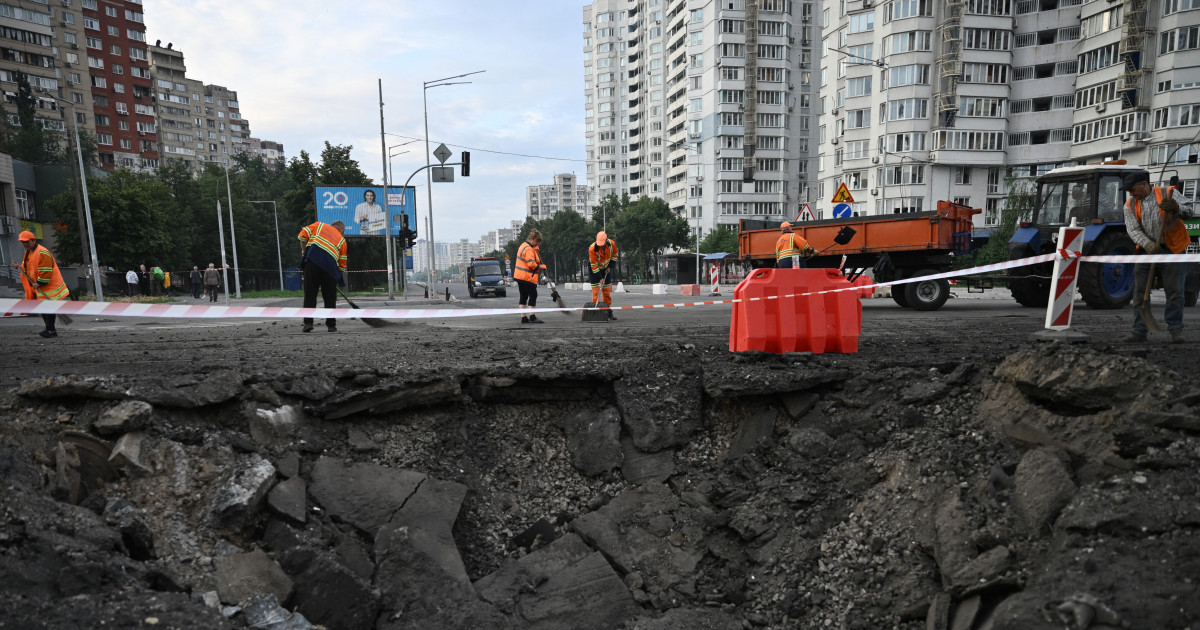
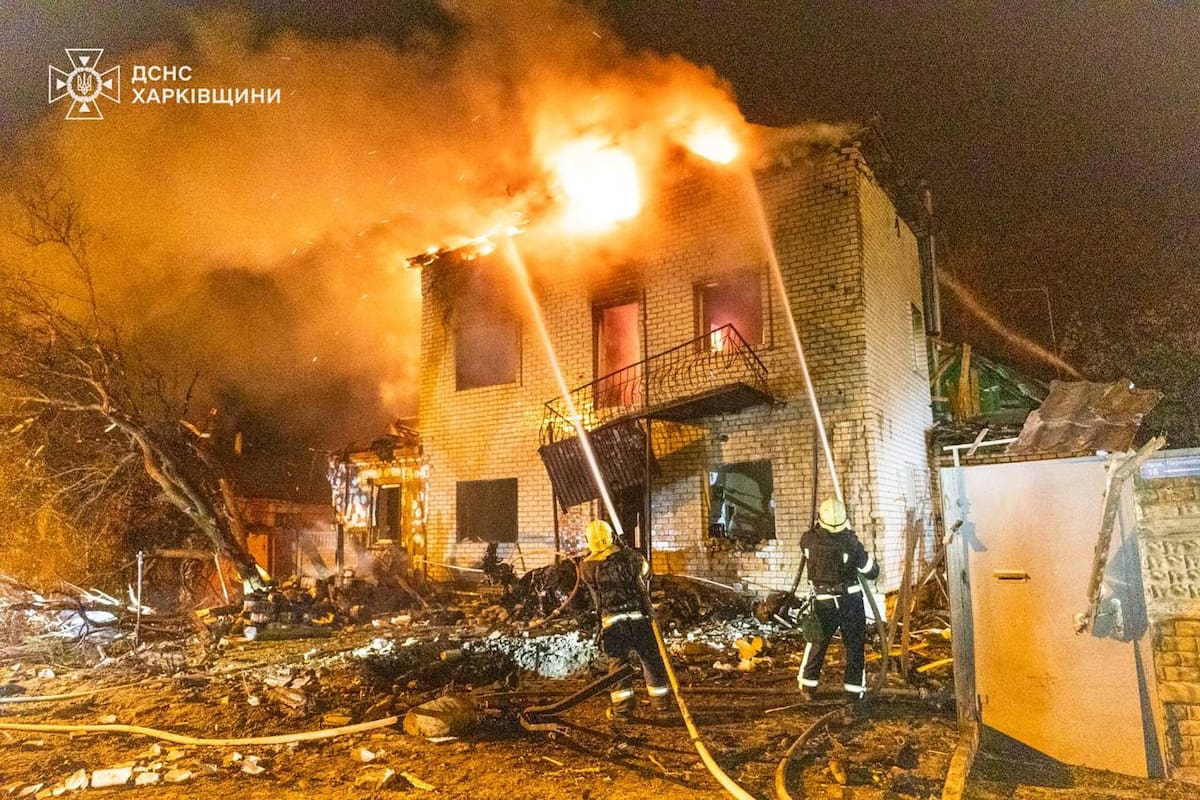
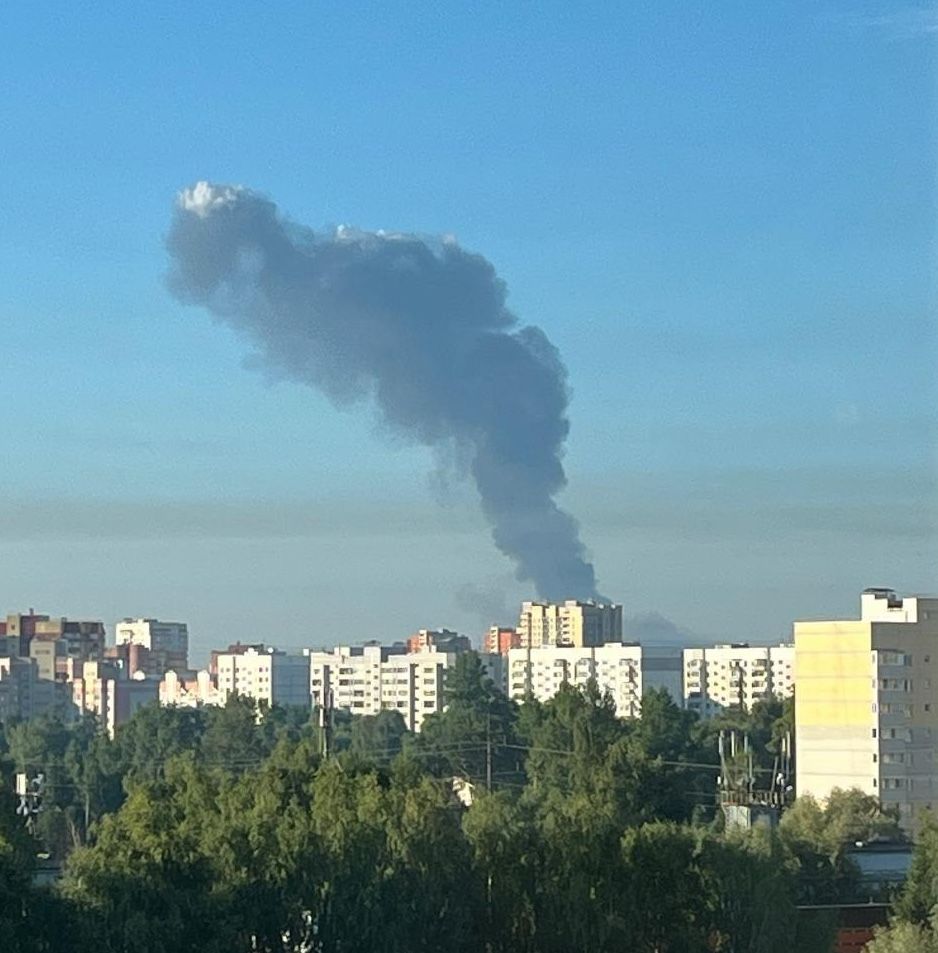
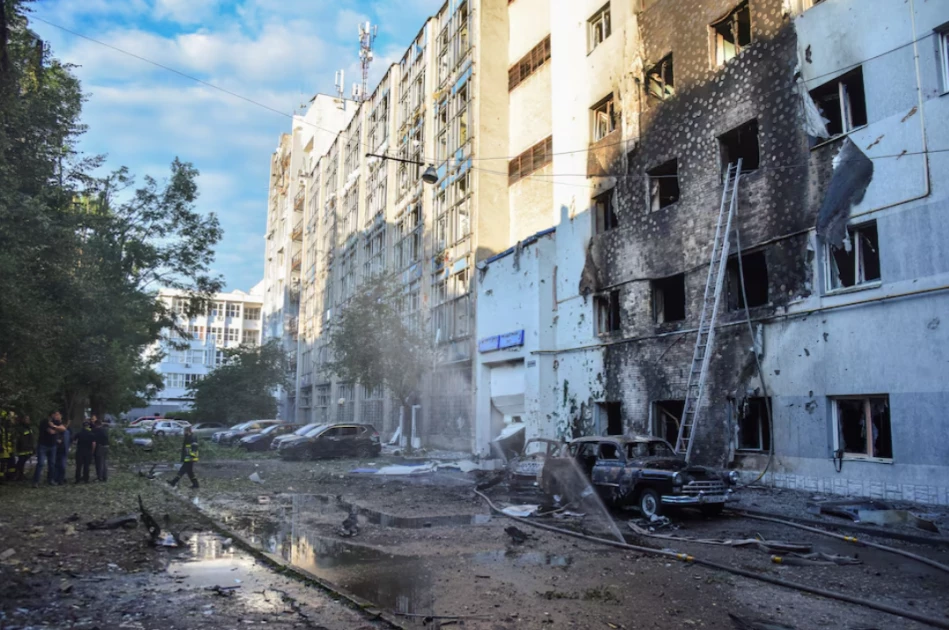
Russia conducted a coordinated aerial barrage against Ukraine on Saturday, July 11, 2026, utilizing a combination of ballistic missiles, cruise missiles, and hundreds of drones. The overnight offensive resulted in at least two deaths and left approximately 19 people wounded across the country. According to Ukrainian officials, the strikes targeted a broad geographic range, stretching from the Kharkiv and Sumy regions in the east to the western cities of Lviv, Lutsk, and Chernivtsi.
In the capital, Kyiv, 11 people were reported wounded. The attack on the capital involved a mixture of ballistic and cruise missiles, as well as drones. President Volodymyr Zelenskyy noted that civilian infrastructure sustained damage even before the formal air raid alerts were issued. The impact of the strikes was also felt in the port city of Odesa, where two people were killed and one was wounded, while a separate drone strike in Kharkiv left seven people injured.
Related media

Air Defense Challenges
Ukraine’s air force reported that the assault included six ballistic missiles, six cruise missiles, and 121 drones. Ukrainian defenders successfully intercepted at least two cruise missiles and 111 drones. However, the ballistic missiles proved significantly more difficult to counter.
"Our defenders managed to shoot down most of the targets, but not the ballistic ones,"
Volodymyr Zelenskyy, President, via NBC News/Yahoo News
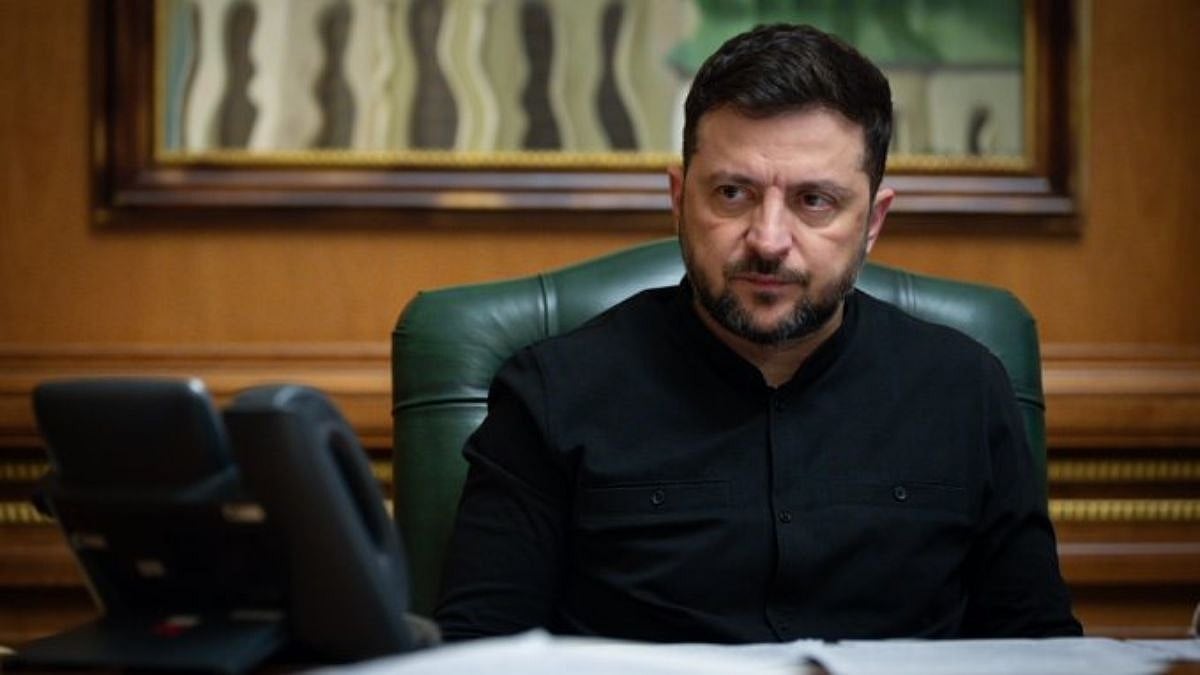
Officials have identified a critical shortage of munitions for Patriot air defense systems as a primary factor in the current vulnerability to high-speed ballistic threats, which travel at multiple times the speed of sound. In response to the ongoing situation, President Zelenskyy has urged international allies to accelerate the delivery of support packages previously agreed upon at a recent NATO summit. He further emphasized the need to finalize agreements with Western partners to allow Ukraine to produce its own Patriot interceptor missiles, a development U.S. President Donald Trump indicated would be permitted under a new license.
Logistics and Military Context
The aerial campaign coincides with an intensified effort by Ukraine to disrupt Russian military logistics. Robert Brovdi, chief of Ukraine’s drone forces, reported that his units successfully struck 21 fuel tanker vessels in the Sea of Azov overnight, in addition to seven cargo and support ships. This brings the total number of vessels targeted this week to 76. These operations are intended to deprive Russian forces of fuel and munitions stationed deep behind the front lines.
Conversely, the Russian Ministry of Defense stated that its forces executed a group strike using long-range, high-precision weapons and drones, claiming these strikes targeted Ukrainian defense industry sites and military airfields. The Ministry asserted that all designated goals were achieved.
The regional security situation remains a focal point for leadership, highlighted by a recent meeting between Russian President Vladimir Putin and Belarusian President Alexander Lukashenko. The two leaders discussed regional security, trade, and joint military projects at a residence in northwestern Russia. Meanwhile, President Zelenskyy has continued to call for stricter international sanctions against countries supporting Russia's drone production and those involved in the trade of Russian oil, arguing that the pace of current strikes requires urgent and decisive international action.
What to Watch Next
- Defense Production: The progress in establishing domestic production lines for Patriot interceptor missiles within Ukraine.
- Logistics War: Whether the repeated targeting of fuel tankers and cargo vessels in the Sea of Azov forces a change in Russian military supply and procurement strategies.
- Sanctions Pressure: Potential shifts in international policy regarding entities that facilitate Russian drone manufacturing or oil exports.
- Diplomatic Developments: Future coordination between Russia and Belarus regarding regional security and the potential use of territory for military operations.
Archypedia is dedicated to independent, evidence-backed reporting. This briefing was synthesized from primary source reporting, corroborated across independent newsrooms, and verified against our Editorial Standards.
Transparency record
Evidence behind this report
This report synthesizes 7 distinct sources. Open the source ledger below to compare the underlying coverage.
Prepared under the Archypedia Editorial Policy by the Mara Ionescu editorial desk profile. AI-assisted tools may support drafting and verification; public accountability remains with Archypedia. Report an error.