Peru's Constitutional Court annuls money laundering process against Ollanta Humala
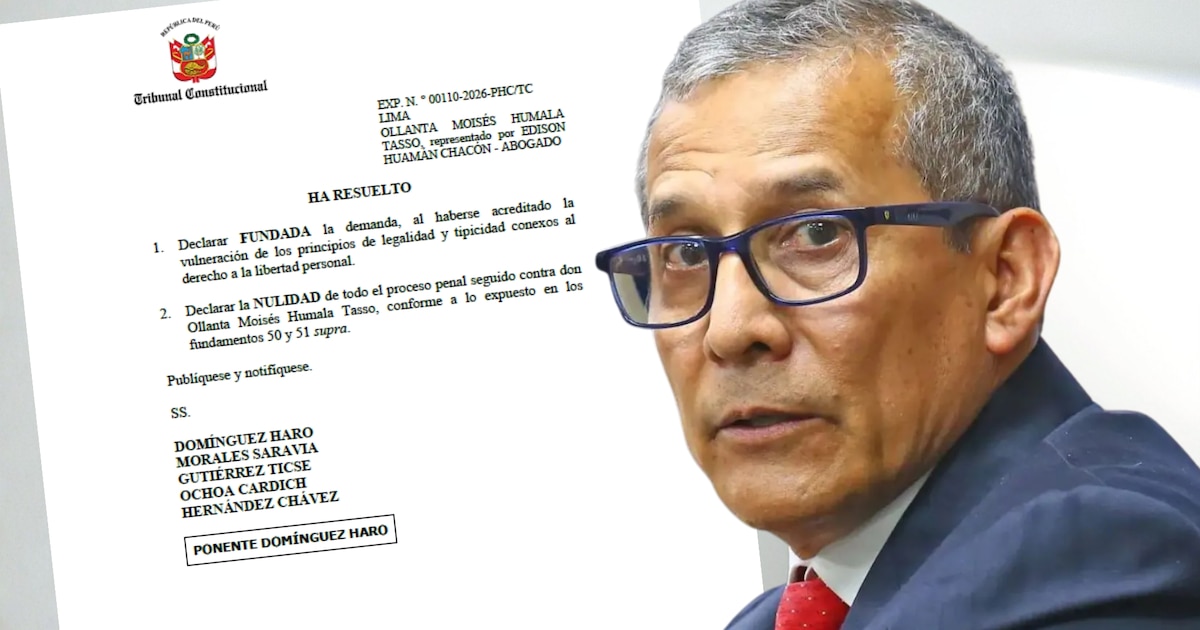
The ruling voids the entire criminal process regarding campaign funds from Odebrecht and Venezuela, clearing the way for the former president's release from prison.

A 15-year prison sentence against former Peruvian President Ollanta Humala has been annulled by the Constitutional Court (TC), which ruled that the legal basis for his conviction for aggravated money laundering was invalid. The ruling, dated July 15 and published on July 30, 2026, voids the entire criminal process, including preliminary investigations and subsequent judicial resolutions, clearing the way for his release from the Barbadillo prison.
The court's decision, reached by a 5-2 majority, hinges on the principles of legality and tipicity. The TC determined that the conduct described by the prosecution — receiving and using illicit funds for election campaigns — did not constitute a crime under the legislation in effect when the events occurred. While the prosecution used Law 27765, the TC found that the behavior actually corresponded to receptación patrimonial
(patrimonial reception). Because this specific legal category was only incorporated into Peruvian law via Decreto Legislativo 1249, vigente desde noviembre de 2016, applying it to campaign contributions from 2006 and 2011 would violate the prohibition against the retroactive application of criminal law.
Related YouTube video

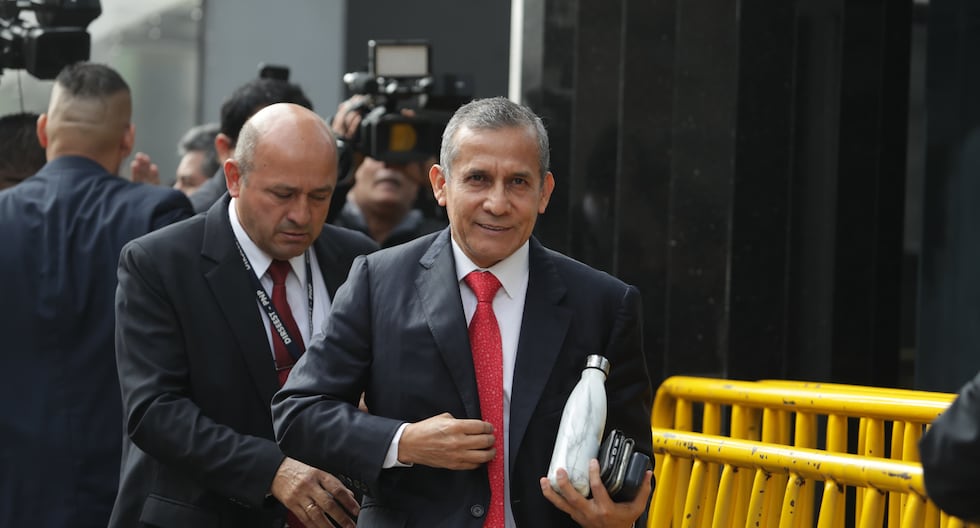
The case involved millions of dollars allegedly funneled into Humala's 2006 and 2011 presidential bids. According to prosecution claims cited by Infobae and diariofinanciero.do, the funds originated from the Brazilian firm Odebrecht, the company OAS, and the Venezuelan government under Hugo Chávez. Specifically, the fiscalia accused Humala and his wife, Nadine Heredia, of hiding US$3 million from Odebrecht in 2011 and diverting approximately US$200,000 sent by Chávez in 2006.
The TC concluded that the prosecution relied on abstract claims that corrupt money is used to buy the will of political candidates. The magistrates noted that the "source crime" was never individualized and there was no coherent evidence that Humala knew, or could have foreseen, the illicit origin of the money at the time of the events. The court stated that judicial operators forced
the conduct into the existing money laundering law despite a lack of legal tipicity.
The ruling creates a diverging legal status for the former first family. While the habeas corpus specifically benefits Humala, it does not automatically annul the convictions of Nadine Heredia or other processed individuals. Having received diplomatic asylum from Brazil following the April 2025 sentencing, Heredia remains in a different legal position, although her defense argues that the TC's precedent regarding campaign contributions should eventually be extended to her.
The decision was not unanimous. Magistrates Luz Pacheco Zerga and Manuel Monteagudo Valdez issued dissenting votes, arguing the demand should have been declared inadmissible. According to infobae.com and Gestion, they contended that the TC should not have intervened while the original sentence was still under appeal in the penal courts.
Legal analysts noted the result aligns with previous outcomes for other political figures such as Keiko Fujimori and PPK. However, lawyer Carlos Caro Coria suggested the TC's path was evitable
. He argued that the court entered the merits of the case, which he described as a sustitución del juez penal
(substitution of the criminal judge), rather than simply addressing the time elapsed in the process.
Humala's release required a specific procedural chain because the TC does not use the phrase libertad inmediata
(immediate liberty) in the resolutive section of its ruling. Following the publication, the Corte Superior de Justicia Nacional ordered his release on Friday, July 31. His lawyer, Wilfredo Pedraza, told RPP that the former president had been detained for 15 months under a sentence that should never have been issued.
The final administrative trigger for the conclusion of the case remains the penal fiscalia, which must now issue the formal disposition to definitively archive the preliminary investigation.
Archypedia is dedicated to independent, evidence-backed reporting. This briefing was synthesized from primary source reporting, corroborated across independent newsrooms, and verified against our Editorial Standards.
Transparency record
Evidence behind this report
This report synthesizes 5 distinct sources. Open the source ledger below to compare the underlying coverage.
Prepared under the Archypedia Editorial Policy by the Samir Haddad editorial desk profile. AI-assisted tools may support drafting and verification; public accountability remains with Archypedia. Report an error.