Fuel tanker explosion in western Iran kills 11 and injures 7
A fuel tanker explosion near Sanandaj killed 11 people and injured seven others. State media attributed the accident to a faulty braking system.
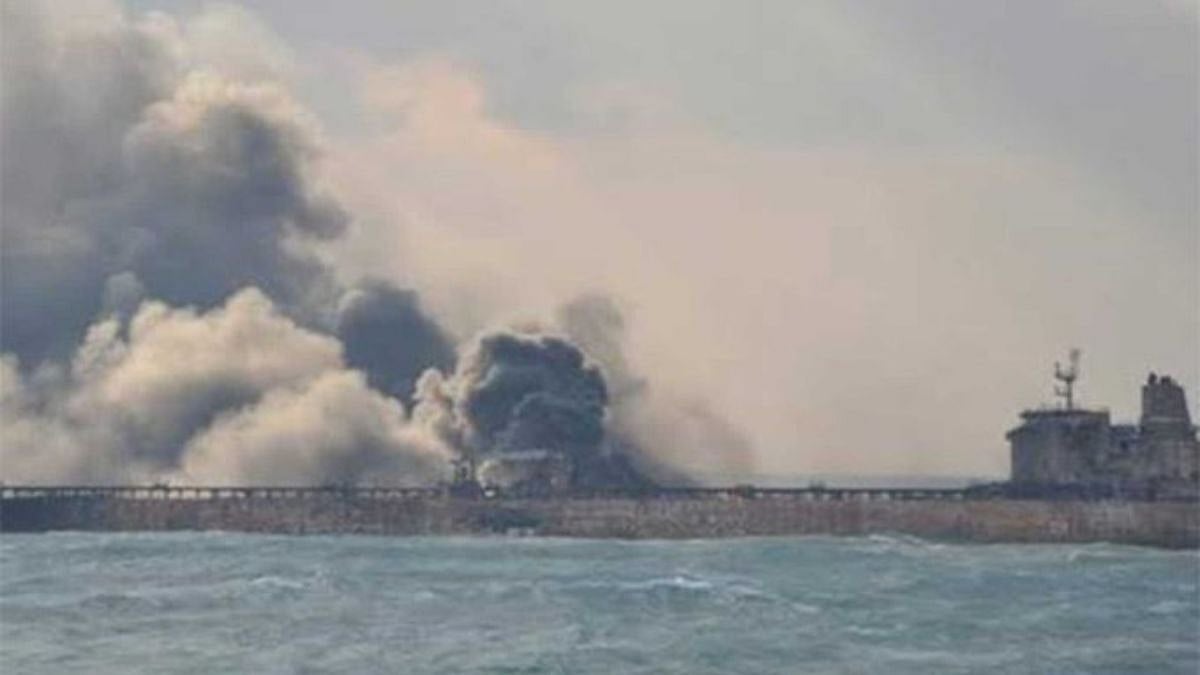
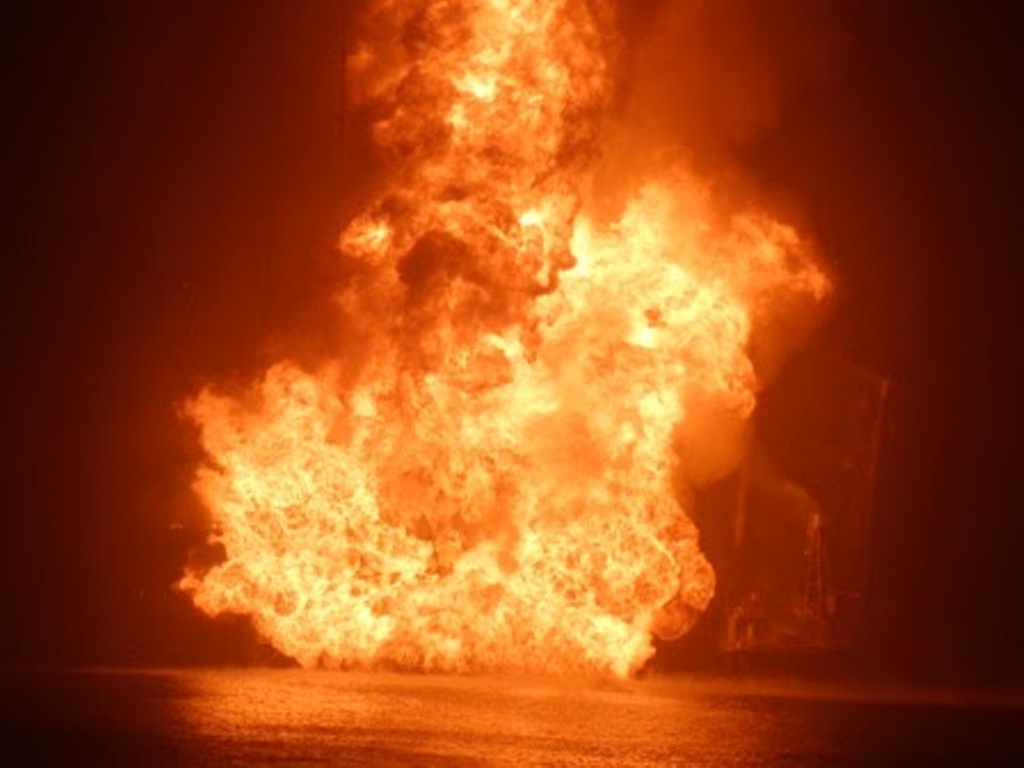
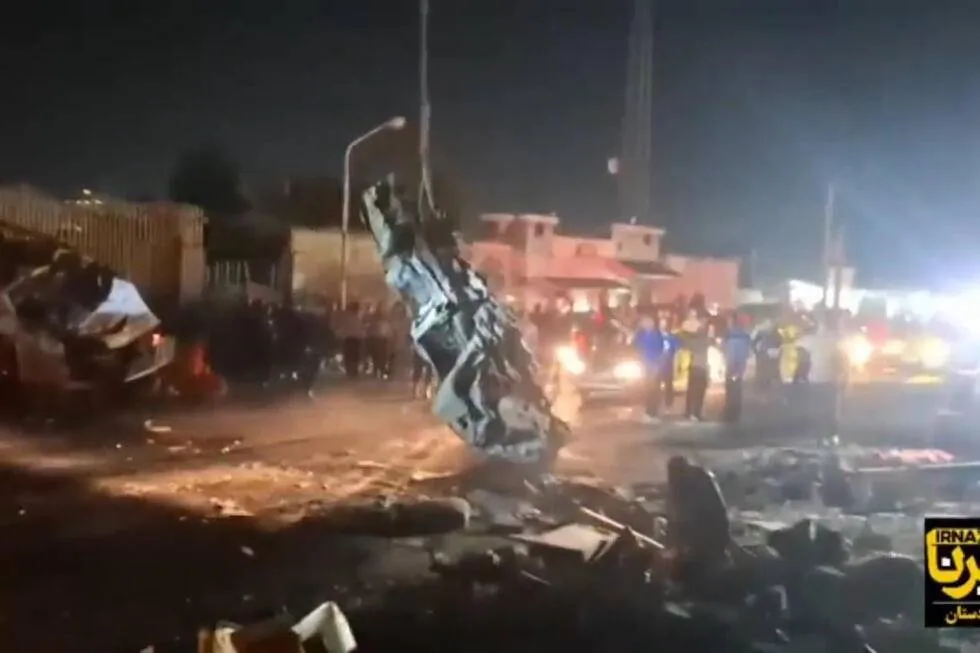
A fuel tanker explosion in western Iran killed 11 people and injured seven others late Saturday, after the vehicle collided with several cars and burst into flames. The disaster occurred near a traffic police station close to Sanandaj, a Kurdish city located approximately 400 km west of Tehran.
Iran's state-run IRNA news agency attributed the accident to a faulty braking system on the tanker. Emergency responders transported the seven survivors to local hospitals for treatment following the collision and subsequent fire.
Related YouTube video

A History of High-Fatality Corridors
The geography of the late-Saturday crash mirrors a previous mass-casualty event in the same region. In 2018, a fuel tanker collided with an intercity passenger bus near Sanandaj, leaving 15 people dead and four others injured, according to reports from Kashmirlife and english.aawsat.com.
The recurrence of tanker-related disasters near this specific Kurdish hub suggests a vulnerability in the transit of hazardous materials through the region. While the 2018 incident involved a passenger bus, the current explosion impacted several cars, demonstrating the indiscriminate risk posed by fuel transport failures in populated or high-traffic areas.
| Incident Year | Location | Vehicle Types Involved | Deaths | Injuries |
|---|---|---|---|---|
| 2018 | Near Sanandaj | Fuel Tanker / Intercity Bus | 15 | 4 |
| 2026 | Near Sanandaj | Fuel Tanker / Multiple Cars | 11 | 7 |
National Road Safety Crisis
The Sanandaj explosion is part of a broader, systemic crisis of road safety across Iran. Official data indicates that more than 17,000 people die in road and traffic accidents in the country every year.
Experts cited by Freepressjournal attribute this high fatality rate to three primary factors:
- The prevalence of unsafe vehicles.
- A widespread disregard for traffic rules.
- Inadequate emergency services.
The state-run media's finding that a "faulty brake system" caused the Saturday crash aligns with expert warnings regarding the dangerous condition of vehicles operating on Iranian highways. When mechanical failures occur in tankers carrying flammable loads, the result is often a catastrophic explosion rather than a survivable collision.
The proximity of this specific crash to a traffic police station highlights the inability of current safety enforcement or vehicle inspections to prevent mechanical failures in high-risk corridors.
The severity of the injuries and the death toll in these incidents are compounded by the "inadequate emergency services" cited by experts, which can delay critical medical intervention in the minutes following a blast.
The seven survivors of the Saturday explosion remain hospitalized in Sanandaj, where their medical condition and treatment status will determine the final toll of the disaster.
Emergency Response and Regional Impact
The chronology of the late-Saturday disaster began when the tanker's braking system failed, leading to a collision with several cars. According to English, the vehicle burst into flames shortly after the impact, resulting in a blast that killed 11 people. The location of the crash, situated near a traffic police station, placed the wreckage in immediate proximity to law enforcement, though the volatility of the fuel led to high fatalities.
Survivors were evacuated from the scene and transported to hospitals in Sanandaj. While 11 deaths were confirmed, seven others were injured and required medical treatment. The severity of these outcomes reflects the danger of fuel transport in the region, where mechanical failures often escalate into fires that are difficult to contain.
The scale of this event is consistent with the high volume of traffic deaths in Iran. State-run media reports via Freepressjournal indicate that the country records more than 17,000 road deaths annually. This systemic failure suggests that the Sanandaj explosion is not an isolated incident but a symptom of broader safety deficiencies affecting the national highway system.
The human cost of the crash is currently tied to the recovery of the seven injured individuals. As they remain under medical care, the next step is the determination of their clinical status to establish if the final death toll will rise beyond 11.
Analysis of Technical and Regional Failures
The sequence of events on late Saturday illustrates a rapid escalation from mechanical failure to mass casualty. According to english.aawsat.com, the disaster began when the tanker's braking system failed, causing it to strike other cars. The vehicle then burst into flames, creating a blast that killed 11 people. While the crash occurred near a traffic police station, the volatility of the fuel carga limited the ability of nearby authorities to prevent the explosion.
The death toll of 11 in this incident, while lower than the 15 deaths recorded in the 2018 Sanandaj tanker crash, reinforces a pattern of high-lethality accidents involving fuel transport in western Iran. In both cases, the failure of a single heavy vehicle led to multiple fatalities among passengers in smaller or passenger vehicles.
These factors contribute to a national environment where more than 17,000 people die in road and traffic accidents annually, as reported by the state-run IRNA news agency via Freepressjournal. The recurrence of such events near Sanandaj suggests that these systemic risks are particularly acute in the corridors serving the Kurdish region.
The seven survivors remain under medical care in local hospitals in Sanandaj. Because the final death toll depends on the recovery of these patients, the next step is the clinical determination of their status to establish if fatalities will exceed 11.
Archypedia is dedicated to independent, evidence-backed reporting. This briefing was synthesized from primary source reporting, corroborated across independent newsrooms, and verified against our Editorial Standards.
Transparency record
Evidence behind this report
This report synthesizes 4 distinct sources. Open the source ledger below to compare the underlying coverage.
Prepared under the Archypedia Editorial Policy by the Samir Haddad editorial desk profile. AI-assisted tools may support drafting and verification; public accountability remains with Archypedia. Report an error.