Iran Discovers Massive 212 Billion Cubic Metre Natural Gas Reserves In Fars Province
Tehran announced a 212 billion cubic metre natural gas discovery in the southern Fars province as the rial crashes and Washington implements new sanctions.

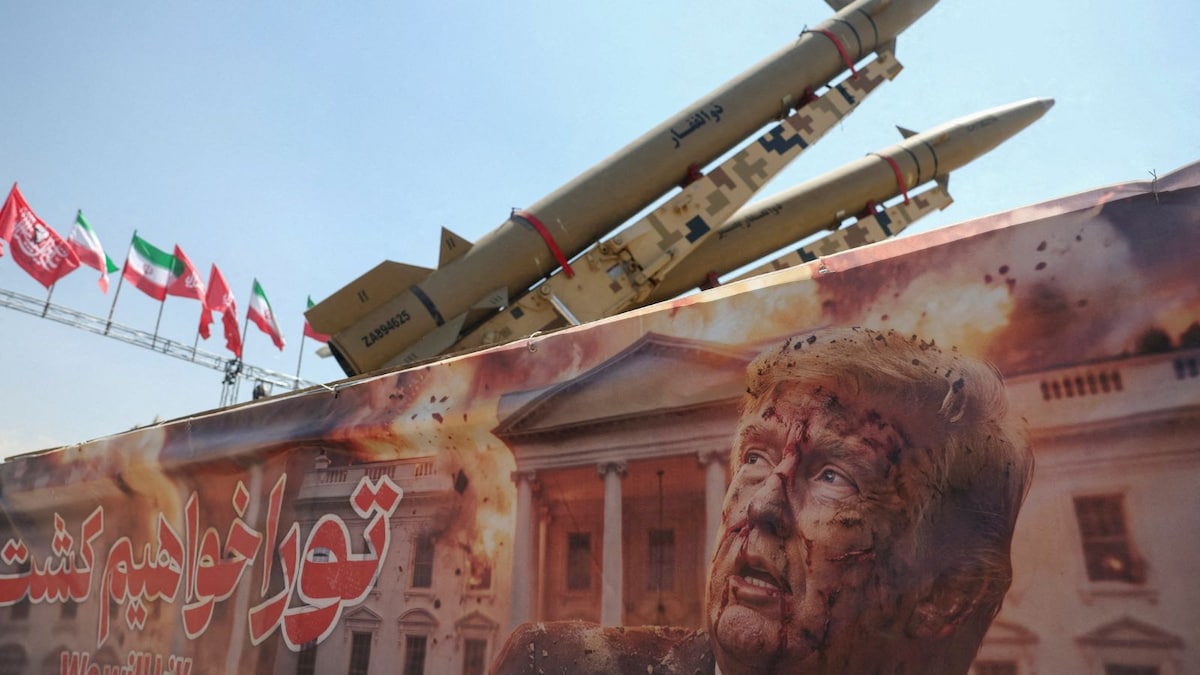
The unfolding financial confrontation brings immediate geopolitical and economic stakes to the Persian Gulf. While Washington demands that third-party nations and allies choose sides or face the full weight of U.S. Secondary sanctions, Tehran has responded with a dual posture of defiance and economic positioning — touting a multi-billion-cubic-metre natural gas discovery while simultaneously threatening to sever regional energy exports if the economic pressure does not relent.
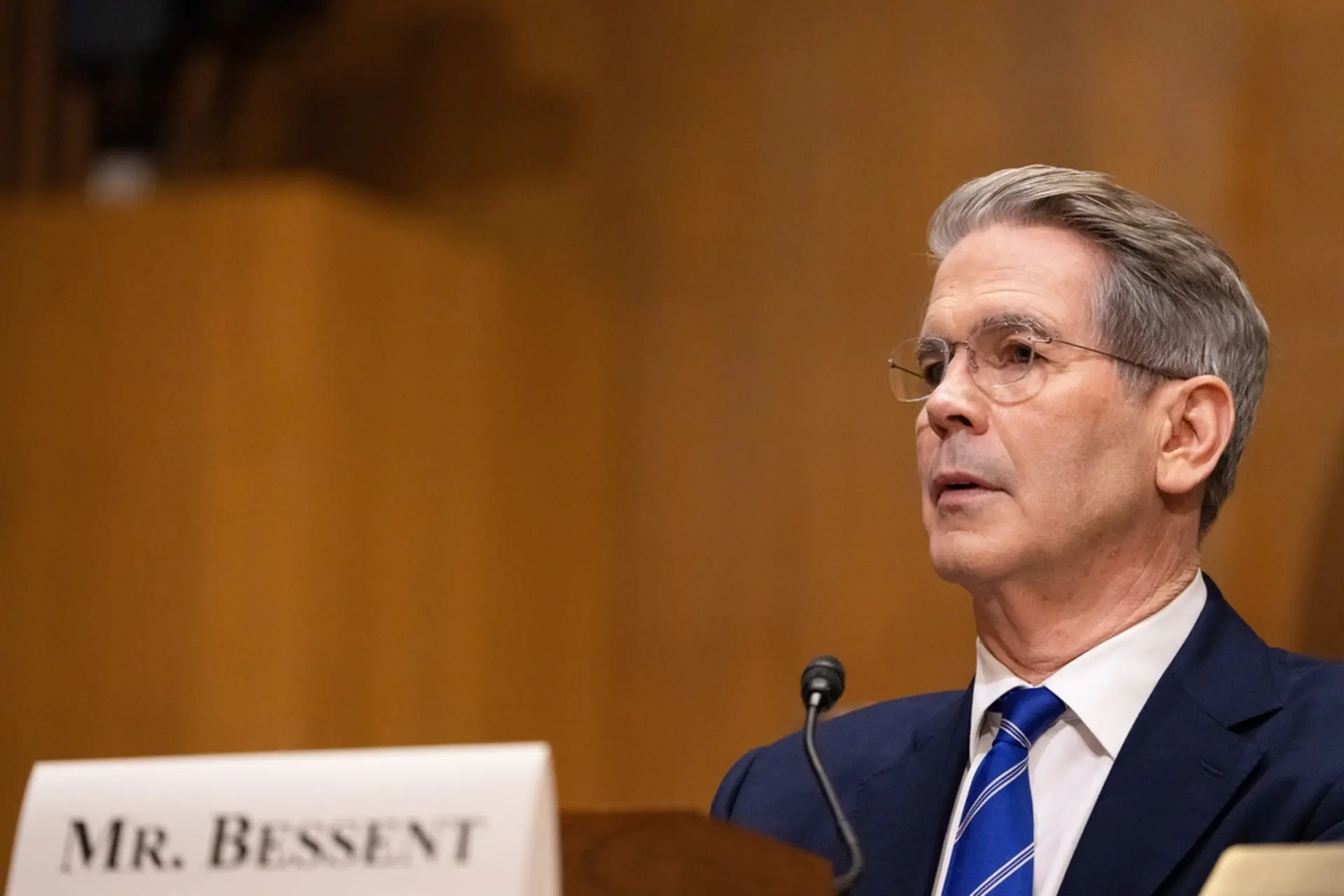
Bessent outlined the sweep of the new measures in an opinion piece published in the Financial Times on Sunday, and in subsequent media appearances, describing the campaign as the largest coordinated effort of economic isolation in world history as reported by BloomingBit. According to The Globe and Mail, Bessent stated that Washington will explicitly target "fearful nations" engaging in "appeasement" by trading with Iran, placing direct pressure on trade partners like China, which receives a significant portion of its oil imports from the Gulf region.
Related YouTube video

The punitive measures arrive as ordinary Iranians grapple with soaring import costs, persistent inflation, and the cumulative economic toll according to Arab Times Online. Six months of strikes by the U.S. And Israel have killed thousands of people, primarily in Iran and Lebanon, while severely damaging national infrastructure, disrupting trade, and erasing production capacity noted The Globe and Mail.
Against this backdrop of financial strangulation, Iranian state authorities sought to project domestic resilience. Petroleum Minister Mohsen Paknejad announced on Sunday (local time) that Iran had discovered more than 212 billion cubic metres of natural gas reserves in the southern Fars province reported the Free Press Journal. Paknejad told state television that more than 160 billion cubic metres of the gas could be extracted from the field, characterizing the fuel as "sweet" natural gas with minimal hydrogen sulphide content that will reduce development costs. Paknejad said the discovery would "serve as a very strong foundation for the country's energy future," even as the broader energy sector continues to grapple with the impact of months of US-Israeli strikes according to the Free Press Journal.
Tehran's political and military leadership dismissed the incoming U.S. Sanctions while laying down severe counter-threats. Iranian Foreign Minister Abbas Araqchi characterized the U.S. Pivot from military operations back to economic pressure as a sign of desperation according to Global Banking and Finance. Meanwhile, Mohsen Rezaei, secretary of Iran's Supreme National Security Council, warned in a social media post that Tehran would treat any state support for Washington's economic offensive as an act of war, threatening to halt all oil exports through the Strait of Hormuz and across the Persian Gulf noted the Free Press Journal. That effective bottleneck has already brought tanker traffic to a near standstill and inflated global fuel prices reported The Globe and Mail.
The clash highlights a stark divergence in strategy and perspective between Washington and Tehran:
- United States: Pursuing the "strongest sanctions in history" to completely isolate the regime, choke off third-party trade, and force economic collapse per BloomingBit.
- Iran: Rejecting foreign dictates, pointing to domestic energy discoveries like the Fars province gas field, and threatening a total blockade of Gulf oil shipments in retaliation according to the Free Press Journal.
- Third Parties: Beijing has called for diplomacy rather than confrontation, noting that sanctions do not solve underlying problems reported The Globe and Mail.
With formal diplomatic channels largely stalled, regional mediation efforts continue to move through intermediaries noted The Globe and Mail. The 60-day window for reaching a final agreement — stipulated under a memorandum of understanding signed on June 18, expired on Monday without a formal agreement according to the Free Press Journal. Against that backdrop of expired diplomatic timelines, Pakistani army chief Asim Munir arrived in Tehran on Monday for scheduled talks regarding regional security and the new U.S. Sanctions reported The Globe and Mail.
Currency Collapse Meets Financial Isolation
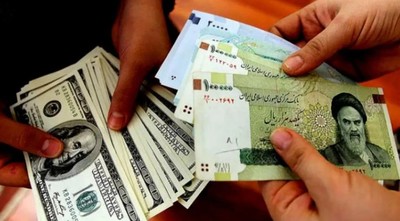
The economic squeeze tightened sharply on informal markets on Monday as Iran's rial crashed to a new record low of around 2.02 million rials per dollar reported Arab Times Online. This currency collapse coincided with U.S. Treasury Secretary Scott Bessent scheduling a press conference for 2 p.m. EDT on Monday to detail the impending financial isolation campaign noted The Globe and Mail. While Washington frames the measure as a decisive endgame, Iranian Foreign Ministry spokesman Esmaeil Baghaei declared on Monday that Tehran refuses to accept an end to the conflict on terms dictated by an aggressor according to Arab Times Online.
China remains a pivotal focal point in the unfolding sanctions battle, as analytics firm Kpler 2025 data cited by Reuters indicates Beijing buys more than 80% of Iran's shipped oil noted Global Banking and Finance. Despite direct U.S. Pressure on third-party buyers, a spokesperson for China's embassy in Washington maintained that sanctions fail to resolve underlying problems and urged renewed diplomacy reported The Globe and Mail. Meanwhile, Iranian Parliament speaker Mohammad Baqer Qalibaf asserted on Saturday that Tehran had received numerous messages from neighboring nations regarding new regional security arrangements, advocating instead for an independent, homegrown regional order reported Global Banking and Finance.
The convergence of market pressure and diplomatic maneuvering is outlined below:
- Market Fallout: Informal exchange rates plummeted to 2.02 million rials per dollar, compounding double-digit inflation and soaring import costs for households according to Arab Times Online.
- Trade Exposure: China imports over 80% of Iran's shipped oil, placing Beijing directly in the crosshairs of Washington's secondary enforcement noted Global Banking and Finance.
- Diplomatic Outreach: Pakistani army chief Asim Munir arrived in Tehran on Monday for talks regarding security and sanctions as part of ongoing regional mediation The Globe and Mail.
As international intermediaries navigate the diplomatic vacuum left by expired negotiation windows, the next step depends on the specific enforcement mechanisms unveiled during the U.S. Treasury briefing and whether third-party capitals alter their trade policies in response to Washington's secondary demands reported The Globe and Mail.
How significant is this development?
Contribute your assessment to the aggregated reader intelligence ledger.
Archypedia is dedicated to independent, evidence-backed reporting. This briefing was synthesized from primary source reporting, corroborated across independent newsrooms, and verified against our Editorial Standards.
Transparency record
Evidence behind this report
This report synthesizes 5 distinct sources. Open the source ledger below to compare the underlying coverage.
- freepressjournal.in
- theglobeandmail.com
- en.bloomingbit.io
- arabtimesonline.com
- globalbankingandfinance.com
Prepared under the Archypedia Editorial Policy by the Samir Haddad editorial desk profile. AI-assisted tools may support drafting and verification; public accountability remains with Archypedia. Report an error.