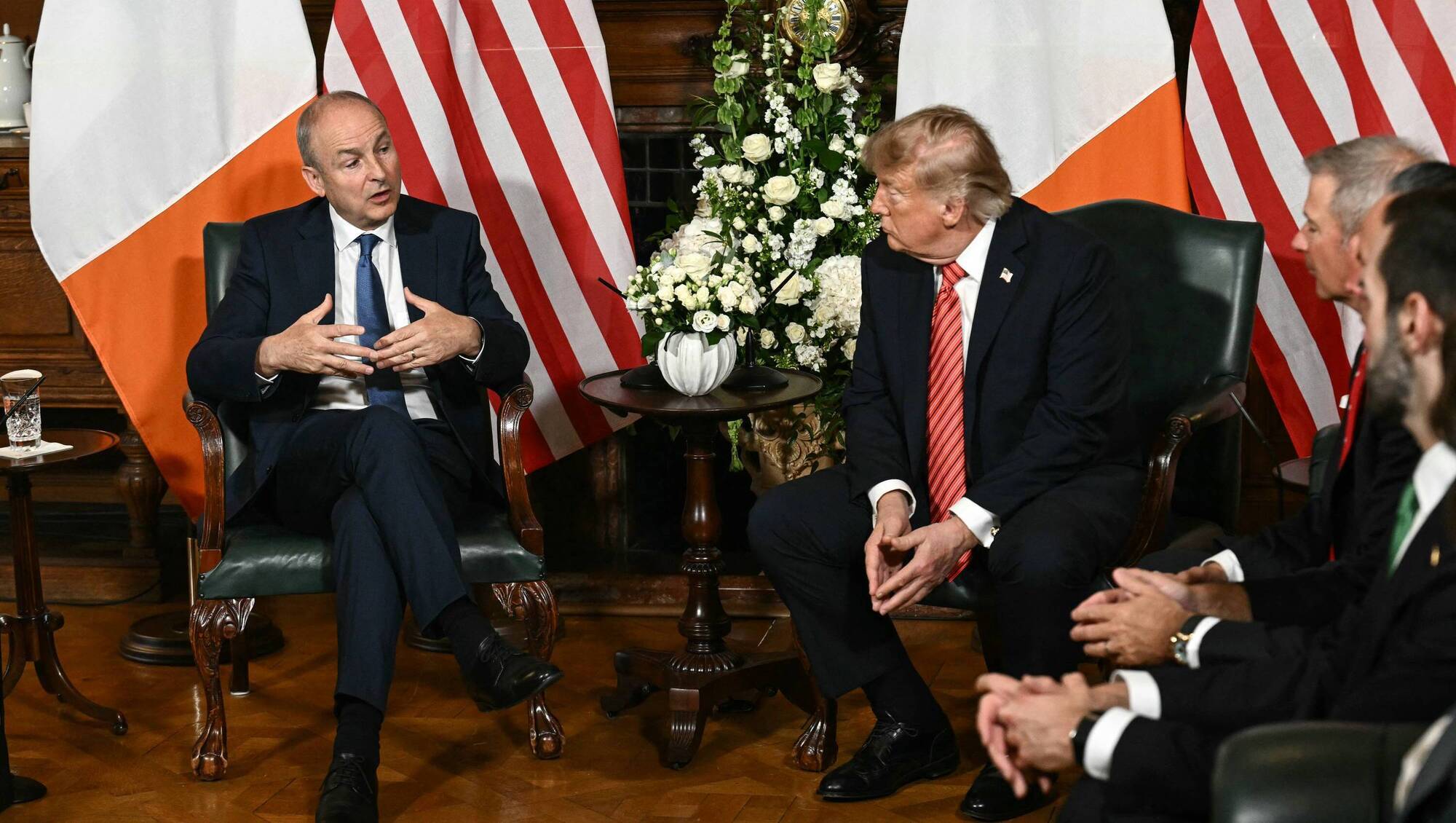
PM Andy Burnham exchanged messages with fake Trump aide Susie Wiles
The security breach occurred shortly after Mr Burnham entered No. 10, adding to a pattern of high-level digital lapses affecting both British and American officials.

Prime Minister Andy Burnham secured an early endorsement from Donald Trump within an hour of arriving at Downing Street last month. The US president praised Burnham's commitment to open up North Sea oil
, suggesting the move would make the UK a wealthy country
. Yet this high-profile alignment is now contrasted by the discovery that the Prime Minister was fooled by a fraudster impersonating one of the president's closest aides.
Mr Burnham exchanged messages with an individual posing as White House chief of staff Susie Wiles before becoming suspicious that the contact was illegitimate, according to reporting by Politico. While Downing Street sources maintain the exchanged messages were not significant
, the lapse prompted the British embassy in Washington to brief the White House on the incident.
Related YouTube video
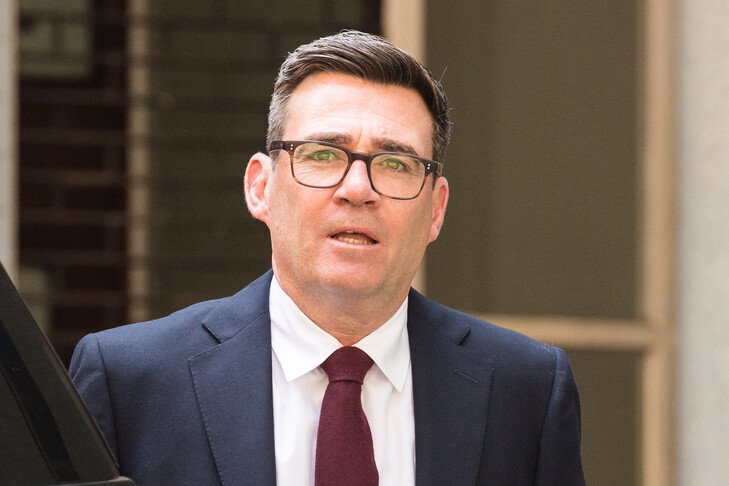


The security failure occurred shortly after Mr Burnham entered No. 10 on 20 July, succeeding Sir Keir Starmer. While the exact timing of the exchange remains unconfirmed, it is thought to have taken place no earlier than mid-June, following Mr Burnham's by-election win in Makerfield.
Ben Habib, chairman of the Great British PAC, described the episode as absolute amateur hour at the highest level
, noting that the Prime Minister messaged away
and only realized something was wrong later. In response, a UK government spokesperson declined to provide details, stating, We do not comment on national security matters
.
The impersonation follows a history of vulnerability surrounding Susie Wiles' personal communications. In May 2025, an impersonator reportedly used artificial intelligence to replicate her voice to contact her phone contacts, asking for money and presidential pardons. Ms Wiles told colleagues her personal mobile had been hacked to access senior contact details, triggering an FBI investigation. At the time, Donald Trump told reporters:
"They breached the phone; they tried to impersonate her. Nobody can impersonate her. There’s only one Susie."
Donald Trump, US President, via Aol
The incident is part of a broader pattern of high-level digital lapses in both the US and UK:
- US Cybersecurity: In April 2025, a hacker breached a messaging platform used by former national security adviser Mike Waltz. Additionally, officials identified a Chinese-linked operation, Salt Typhoon, which monitored calls involving senior American figures.
- US Internal Leaks: A December 2025 defense department report found that defense secretary Pete Hegseth shared secret military information in a Signal group chat—which included vice-president JD Vance and CIA director John Ratcliffe—after Mike Waltz mistakenly added a journalist from the Atlantic.
- UK Official Targets: In 2015, Lord Cameron was reached by prank callers posing as the head of GCHQ and later by someone pretending to be a former Ukrainian president. In 2022, Sir Ben Wallace and Dame Priti Patel were drawn into video calls with individuals posing as Ukrainian officials.
US intelligence officials warned last year of a campaign where fraudsters impersonate senior American officials via voice and text. Some of this activity has been linked to actors connected to Iran during the final months of the 2024 election campaign. This vulnerability extends to the president's own contact details; The Guardian reported that the Atlantic heard claims that Trump's contact details had been offered for sale to CEOs and "crypto bros."
Despite the diplomatic briefing to the White House and the involvement of authorities, the specific content of the messages exchanged between the Prime Minister and the impersonator remains undisclosed. Both Downing Street and the White House have declined to comment further on the specifics of the exchange.
Security gaps and diplomatic fallout
While the Prime Minister’s communications were limited to text and did not include phone calls, the incident has raised fresh questions about the security of senior government figures. Downing Street sources described the exchanged texts as a few messages
that were quickly reported to the appropriate authorities
once identified as suspicious, according to Anadolu Agency.
The breach stands in contrast to the diplomatic warmth between Mr Burnham and the US president. Within an hour of arriving at Downing Street, the two discussed the UK's energy and migration policies. Donald Trump specifically praised the Prime Minister's intent to open up North Sea oil
, claiming this would make the UK a wealthy country
while contrasting him with Sir Keir Starmer, who he claimed did very little
regarding immigration.
The vulnerability of the White House staff is a recurring theme. The Wall Street Journal previously reported that an unknown person used Ms Wiles' contact list to target governors and senators. This pattern of insecurity extends to the president himself; according to The Guardian, the Atlantic reported that Donald Trump's personal contact details had been offered for sale to "crypto bros" and CEOs.
The internal handling of such leaks has previously caused severe risk. A December 2025 defense department report found that defense secretary Pete Hegseth endangered US service personnel by sharing secret military information in a Signal group chat. The leak occurred because Mike Waltz accidentally added a journalist from the Atlantic to the group, which also included CIA director John Ratcliffe and vice-president JD Vance.
How significant is this development?
Contribute your assessment to the aggregated reader intelligence ledger.
Archypedia is dedicated to independent, evidence-backed reporting. This briefing was synthesized from primary source reporting, corroborated across independent newsrooms, and verified against our Editorial Standards.
Transparency record
Evidence behind this report
This report synthesizes 7 distinct sources. Open the source ledger below to compare the underlying coverage.
- rugbyobserver.co.uk
- aa.com.tr
- theverge.com
- aol.com
- worcesterobserver.co.uk
- uk.news.yahoo.com
- theguardian.com
Prepared under the Archypedia Editorial Policy by the Samir Haddad editorial desk profile. AI-assisted tools may support drafting and verification; public accountability remains with Archypedia. Report an error.