Global Health Leaders Agree on Post-2030 Roadmap to End Tuberculosis: What the New WHO Strategy Means
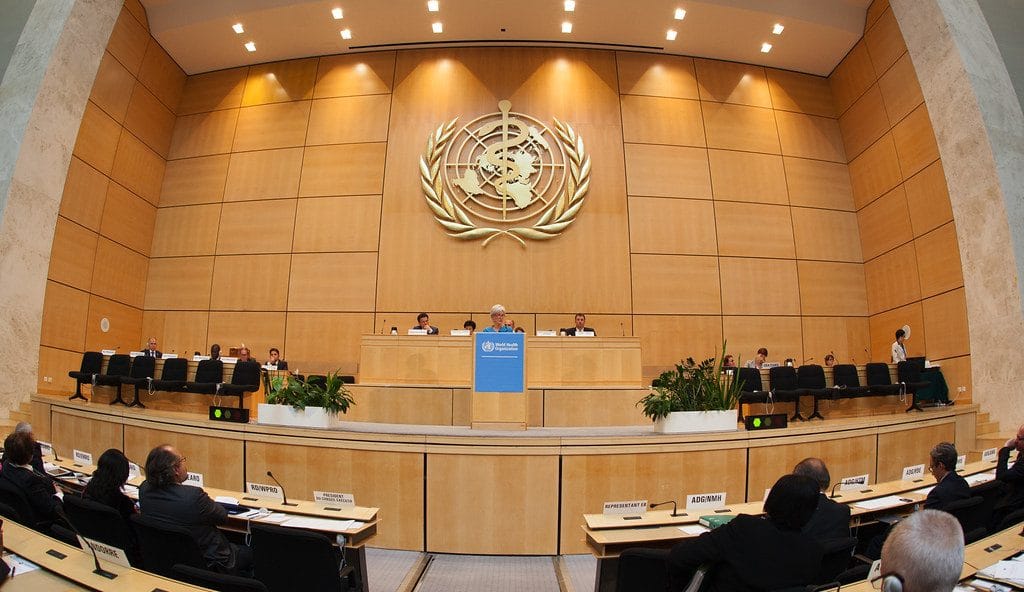
The World Health Assembly has taken a decisive step toward eradicating tuberculosis by approving the development of a new global strategy to combat the disease beyond 2030. The landmark decision, backed by member states and public health experts, signals a renewed commitment to tackling TB—a disease that remains one of the world’s deadliest infectious killers despite decades of efforts. With the current End TB Strategy set to expire in 2025, the assembly’s move sets the stage for a more ambitious, science-driven approach to eliminate TB as a public health threat by the end of the century.
But what does this mean for patients, healthcare systems, and the fight against antimicrobial resistance? And how will the new strategy differ from past attempts? This article breaks down the key developments, the challenges ahead, and why this moment could mark a turning point in global health.
—
What Just Happened? The WHO Assembly’s Decision Explained
The World Health Assembly (WHA), the decision-making body of the World Health Organization, convened in Geneva this week to address the future of tuberculosis control. After days of negotiations, member states unanimously agreed to launch the development of a post-2030 global TB strategy, building on the existing End TB Strategy but with a sharper focus on innovation, equity, and sustainability.
Key points from the assembly’s resolution:
- A new strategy will be drafted by 2027, with input from scientists, civil society, and affected communities.
- The goal remains eliminating TB as a public health problem by 2045, but with updated targets for drug-resistant TB and vulnerable populations.
- Funding mechanisms and accountability frameworks will be strengthened to ensure high-burden countries receive adequate support.
- The strategy will prioritize prevention, including vaccination research and early diagnosis, alongside treatment expansion.
The decision comes as TB cases have stagnated in recent years, with 1.5 million deaths annually and 10 million new infections worldwide. The COVID-19 pandemic further disrupted TB services, reversing progress in detection and treatment. The new strategy aims to correct these setbacks by integrating TB care into broader health systems and addressing social determinants like poverty and malnutrition.
—
Who Is Driving This Change?
The push for a post-2030 TB strategy is led by a coalition of global health actors, each bringing distinct expertise and priorities:
1. The World Health Organization (WHO)
The WHO has positioned the new strategy as a decade of action, emphasizing three pillars:
- Innovation: Accelerating research into new vaccines, diagnostics, and treatments, particularly for drug-resistant TB.
- Equity: Ensuring marginalized groups—such as people living with HIV, refugees, and those in conflict zones—are not left behind.
- Integration: Embedding TB services into primary healthcare to reduce stigma and improve access.
The organization has also highlighted the need for political commitment, noting that past strategies failed partly due to inconsistent funding and weak national ownership.
2. High-Burden Countries
Nations with the highest TB burdens, including India, Indonesia, Nigeria, and the Philippines, have been vocal in shaping the new strategy. These countries argue that the post-2030 plan must:
- Increase domestic financing for TB programs, rather than relying solely on international aid.
- Address the dual burden of TB and HIV, as co-infection remains a major driver of mortality.
- Improve data systems to track progress in real time, especially in remote or underserved areas.
India, for example, has committed to expanding its Nikshay Poshan Yojana scheme, which provides nutritional support to TB patients—a critical factor in treatment success.
3. Civil Society and Patient Advocacy Groups
Organizations like the European AIDS Treatment Group (EATG), Stop TB Partnership, and Médecins Sans Frontières (MSF) have stressed that the new strategy must center the voices of those affected by TB. Their demands include:
- Greater transparency in drug procurement to combat corruption and ensure quality medicines.
- Community-led TB programs that respect cultural and linguistic diversity.
- Stronger protections for healthcare workers, who face violence in high-risk settings.
The EATG, in particular, has warned that antimicrobial resistance (AMR) poses an existential threat to TB control. Without urgent action, they argue, even the most advanced treatments could become ineffective.
4. The Private Sector and Philanthropy
Companies like Johnson & Johnson, GlaxoSmithKline, and Bill & Melinda Gates Foundation have pledged support for the new strategy, focusing on:
- Investments in AI-driven diagnostics to detect TB faster and more accurately.
- Partnerships with tech firms to improve digital health tools for TB tracking.
- Innovation funds for low-income countries to develop homegrown solutions.
The Gates Foundation has already allocated $1.5 billion over five years to TB research, with a portion earmarked for the post-2030 strategy.
—
Why This Matters: The Stakes of the TB Epidemic
Tuberculosis may seem like a disease of the past, but it remains a modern health crisis with far-reaching consequences:
1. A Preventable Killer
TB is 100% curable if diagnosed and treated properly. Yet, in 2024, only 67% of estimated cases were reported to national authorities, leaving millions untreated. The new strategy aims to close this gap by:
- Expanding active case finding in high-risk communities (e.g., prisons, slums, and mining towns).
- Training community health workers to recognize TB symptoms early.
- Simplifying treatment regimens to reduce dropout rates.
For example, in South Africa, where TB and HIV co-infection rates are among the highest globally, a 9-month treatment course for drug-susceptible TB has reduced relapse rates by 20% compared to the standard 6-month regimen.
2. The Antimicrobial Resistance Time Bomb
Drug-resistant TB (DR-TB) is one of the most urgent threats in global health. Without intervention, resistant strains could render current treatments obsolete by 2050, according to the WHO. The new strategy includes:
- A global DR-TB surveillance system to track resistance patterns in real time.
- New shorter, less toxic treatment regimens for multi-drug-resistant TB (MDR-TB).
- Incentives for pharmaceutical companies to develop next-generation antibiotics.
In Mozambique, a pilot program using bedaquiline and delamanid—two of the few drugs effective against MDR-TB—reduced treatment failure rates from 40% to 15% in high-burden districts.
3. Social and Economic Costs
TB doesn’t just kill—it derails lives. Patients often face:
/wha78-pledging-event.tmb-md.jpg?sfvrsn=b3adb54e_15 "World Health Assembly Backs Post Funding")
- Financial ruin: In low-income households, TB treatment can cost up to 50% of annual income, pushing families into poverty.
- Stigma and discrimination: Many patients are fired from jobs or expelled from schools due to misinformation.
- Lost productivity: The global economy loses $1.2 trillion annually due to TB-related absenteeism and premature death.
The new strategy seeks to mitigate these impacts by:
- Integrating TB care with social protection programs (e.g., cash transfers, food assistance).
- Launching public awareness campaigns to combat stigma, particularly in religious and conservative communities.
- Partnering with employers to ensure patients retain their jobs during treatment.
—
Challenges on the Road Ahead
While the WHO assembly’s decision is a major milestone, experts warn that success depends on overcoming several critical hurdles:
1. Funding Gaps
The current End TB Strategy is underfunded by $4 billion annually. The new plan will require:
- Increased contributions from high-income countries, many of which have cut foreign aid in recent years.
- More efficient use of existing funds to reduce waste and corruption.
- Leveraging blended finance models (combining public, private, and philanthropic money).
For instance, Norway’s TB Alliance has demonstrated how $1 invested in TB research yields $30 in economic benefits—a compelling argument for donors.
2. Political Will and Accountability
Past TB strategies have faltered due to weak national commitments. The new plan includes:
- Mandatory progress reports from all member states, with public shaming for underperforming countries.
- Tied funding: Countries that fail to meet targets risk losing international support.
- Civil society oversight to ensure transparency.
In Bangladesh, a similar accountability mechanism led to a 30% reduction in TB deaths between 2015 and 2023.
3. Innovation Without Exclusion
New technologies—like AI diagnostics and mRNA vaccines—could revolutionize TB control. However, experts caution that:
- High-tech solutions must be affordable and adaptable for low-resource settings.
- Digital tools should not replace human-centered care, especially in rural areas.
- Ethical concerns around data privacy must be addressed in real time.
The WHO’s TB Digital Health Toolkit, launched in 2024, aims to balance innovation with equity by providing open-source software for TB tracking in resource-limited settings.
—
What Comes Next? Key Milestones in the Post-2030 Strategy
The roadmap to a TB-free world is long, but the next few years are critical. Here’s what to watch:
| Year | Milestone | Key Actions |
|---|---|---|
| 2026 | Draft Strategy Development | WHO convenes global consultations with scientists, patients, and governments. |
| 2027 | Final Strategy Approval | World Health Assembly votes on the new plan; funding commitments are secured. |
| 2028–2030 | Pilot Programs Launch | High-burden countries test new diagnostics, treatments, and social protection models. |
| 2031 | First Progress Review | WHO assesses early results and adjusts strategies where needed. |
| 2045 | Target: TB Elimination | Global case rates fall below 10 per 100,000 people, meeting the WHO’s definition of elimination. |
Meanwhile, the WHO has urged countries to start implementing key elements of the new strategy immediately, such as:
- Expanding BCG vaccine coverage for infants in high-risk areas.
- Rolling out new rapid tests (e.g., Xpert Ultra) in primary care clinics.
- Strengthening supply chains for TB medicines to prevent stockouts.
—
Common Misconceptions About TB—and Why They’re Dangerous
Despite being one of the world’s oldest diseases, TB is often misunderstood. Here are three myths—and the truths behind them:
Myth 1: “TB Only Affects Poor Countries”
Reality: TB is a global disease. While 95% of cases occur in low- and middle-income countries, high-income nations like the U.S., UK, and Germany still see thousands of cases annually—often among vulnerable groups like homeless populations, migrants, and immunocompromised individuals.
In Germany, for example, TB cases among refugees rose by 40% between 2020 and 2024, highlighting the need for integrated healthcare systems.
Myth 2: “TB Is Easy to Cure—If You Just Take the Medicine”
Reality: While TB is curable, treatment failure rates remain high due to:
- Drug side effects (e.g., liver toxicity, hearing loss) that lead patients to stop early.
- Long treatment durations (typically 6 months, but up to 2 years for DR-TB).
- Lack of access to directly observed therapy (DOT), where a healthcare worker ensures patients take their medicine.
In India, only 60% of patients complete treatment due to these challenges.
Myth 3: “Vaccines and Antibiotics Have Already Solved TB”
Reality: The BCG vaccine (developed in 1921) is only 35–50% effective against childhood TB and offers no protection against adult pulmonary TB. Meanwhile, antibiotic resistance is eroding the effectiveness of first-line drugs.
The new strategy prioritizes:
- Next-gen vaccines (e.g., RUTI and MIP, currently in Phase 3 trials).
- New drug combinations to combat resistance.
- Improved diagnostic tools to detect TB and resistance faster.
—
How You Can Stay Informed and Get Involved
The fight against TB is not just a medical challenge—it’s a collective responsibility. Here’s how individuals, communities, and organizations can contribute:
For Patients and Families
- Seek testing early: TB symptoms (coughing for >3 weeks, fever, weight loss) are often dismissed as “just a cold.” Persist for medical evaluation.
- Complete the full treatment course, even if symptoms improve. Stopping early fuels drug resistance.
- Access support services: Many countries offer nutrition programs, transport vouchers, and counseling for TB patients.
For Healthcare Workers
- Advocate for better infection control in hospitals and clinics to prevent nosocomial (hospital-acquired) TB.
- Use rapid diagnostics to reduce delays in treatment.
- Report suspected cases immediately—TB is notifiable in 194 countries.
For Policymakers and Donors
- Prioritize TB in national health budgets. Even small increases can save lives.
- Support research into new tools—every dollar spent on TB innovation saves $42 in healthcare costs.
- Push for stronger global accountability, including public reporting on TB spending.
For the General Public
- Educate yourself: TB spreads through the air, but good ventilation and sunlight reduce transmission risk.
- Combat stigma: TB is not a “punishment”—it’s an infectious disease. Avoid blaming patients.
- Support TB organizations: Donate to or volunteer with groups like The Union (formerly the International Union Against Tuberculosis and Lung Disease) or Amref Health Africa.
—
Frequently Asked Questions About the Post-2030 TB Strategy
What is the difference between the current End TB Strategy and the new post-2030 plan?

The current strategy (2016–2025) focused on case detection, treatment, and prevention with a goal to reduce TB deaths by 90% by 2030. The new plan will:
- Set more ambitious targets, including eliminating TB as a public health threat by 2045.
- Prioritize innovation and equity, with stronger mechanisms to reach marginalized groups.
- Include accountability measures to ensure countries follow through on commitments.
Why is 2030 the cutoff for the current strategy?
The Sustainable Development Goals (SDGs)
adopted in 2015 set 2030 as the deadline for major health targets, including TB. The WHO uses this as a natural milestone to reassess progress and set new goals.
How will the new strategy address drug-resistant TB?
The plan includes:
- A global DR-TB surveillance system to track resistance patterns.
- New shorter, less toxic treatments for MDR-TB, currently in development.
- Incentives for pharmaceutical companies to develop new antibiotics.
Will the new strategy affect TB research funding?
Yes. The WHO has called for increased investment in TB research, particularly for:
- Vaccines (beyond BCG).
- Diagnostics that can detect TB and resistance in under an hour.
- Host-directed therapies to boost the immune system’s fight against TB.
What role will AI and digital health play in the new strategy?
The WHO plans to integrate:
- AI-powered diagnostics to analyze X-rays and sputum samples faster.
- Mobile apps for patients to track symptoms and treatment adherence.
- Predictive modeling to identify high-risk communities before outbreaks occur.
However, these tools will be supplementary, not replacements for human care.
How can I track progress on the post-2030 TB strategy?
The WHO will publish annual reports on TB trends, including:
- Case detection rates.
- Treatment success rates.
- Funding commitments from countries.
You can follow updates via the WHO Global TB Report and Stop TB Partnership’s progress dashboards.
—
The World Health Assembly’s decision to develop a post-2030 TB strategy marks a pivotal moment in global health. For the first time in decades, the international community has aligned behind a clear, science-driven roadmap to end a disease that has claimed more lives than any other infectious killer. Yet, the path forward is fraught with challenges—from funding shortfalls to political inertia and the ever-present threat of drug resistance.
What is certain is that the fight against TB cannot be won by any one sector alone. It will require unprecedented collaboration between governments, scientists, patients, and communities. As the new strategy takes shape, the question is no longer if TB can be eliminated, but how quickly—and at what cost. The answers will define the next chapter in the world’s oldest battle against a modern-day scourge.
