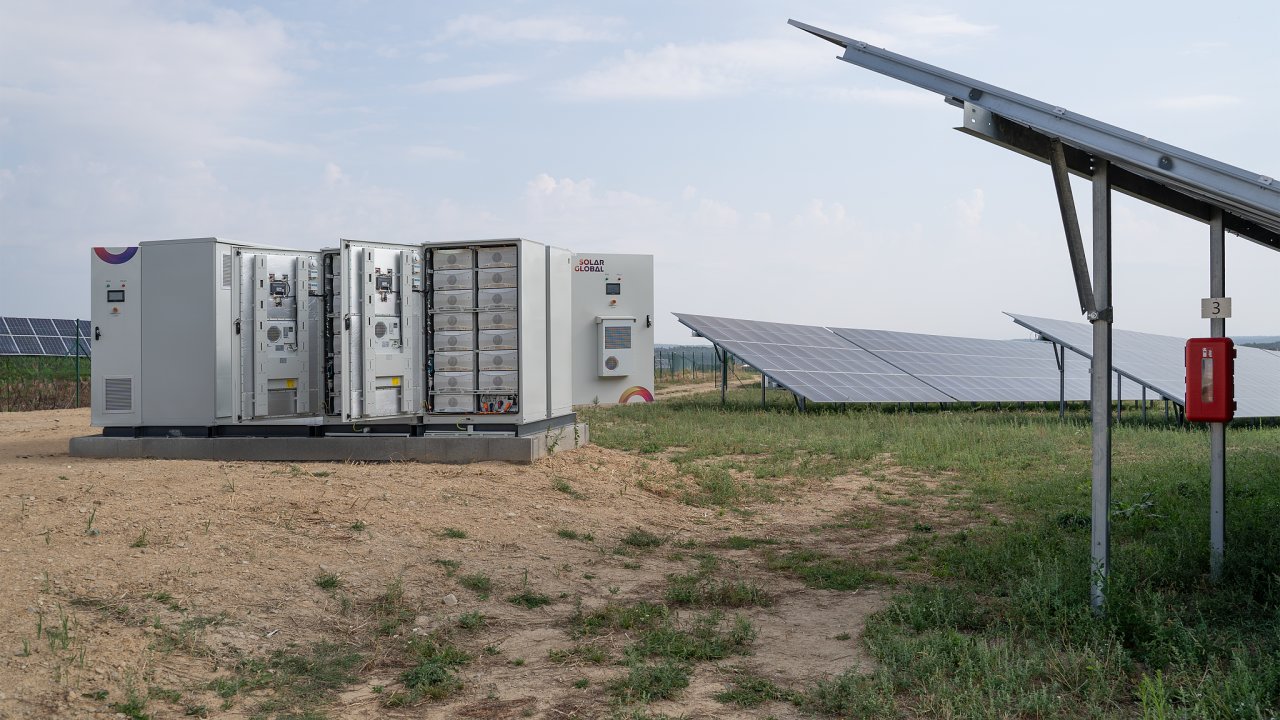
The Energy Regulatory Office (ERÚ) is overhauling electricity tariff structures to optimize grid efficiency and incentivize the adoption of energy storage technology. The reform aims to reduce systemic costs by releasing unused capacity and lowering the financial barriers for battery deployment.
Key Points
- Battery Incentives: The regulator plans to waive a majority of network fees for batteries to encourage storage adoption.
- Grid Optimization: New measures will target “blocked capacity”—unused reservations that currently drive up electricity costs for other users.
- Corporate Savings: Large enterprises transitioning to the new tariffs could see annual savings reaching tens of thousands.
- Household Impact: While the first phase of the reform does not directly affect residential tariffs, households may see indirect benefits.
Incentivizing Energy Storage
A central component of the regulatory shift is the effort to make battery storage more economically viable. By waiving most network fees for batteries, the regulator intends to accelerate the integration of storage solutions into the energy infrastructure. This move is designed to stabilize the grid and reduce the reliance on traditional, often more expensive, peaking power plants.
Addressing Blocked Capacity
The ERÚ is also targeting inefficiencies in how electricity capacity is reserved. According to local media reports, unused reservations have been contributing to higher electricity prices for the broader market. By releasing this blocked capacity, the regulator expects to create billions in total savings, effectively lowering the cost of grid maintenance and operation for all participants.
Impact on Businesses and Consumers
The transition to these new tariff structures is primarily hitting the corporate sector first. Large enterprises are expected to be the primary beneficiaries of the immediate changes, with some projected to save tens of thousands per year.
For residential users, the impact is less immediate. The first phase of the tariff reform does not include direct changes to household pricing; however, the regulator suggests that the overall reduction in grid costs and the increase in efficiency could provide indirect financial relief to homeowners.
