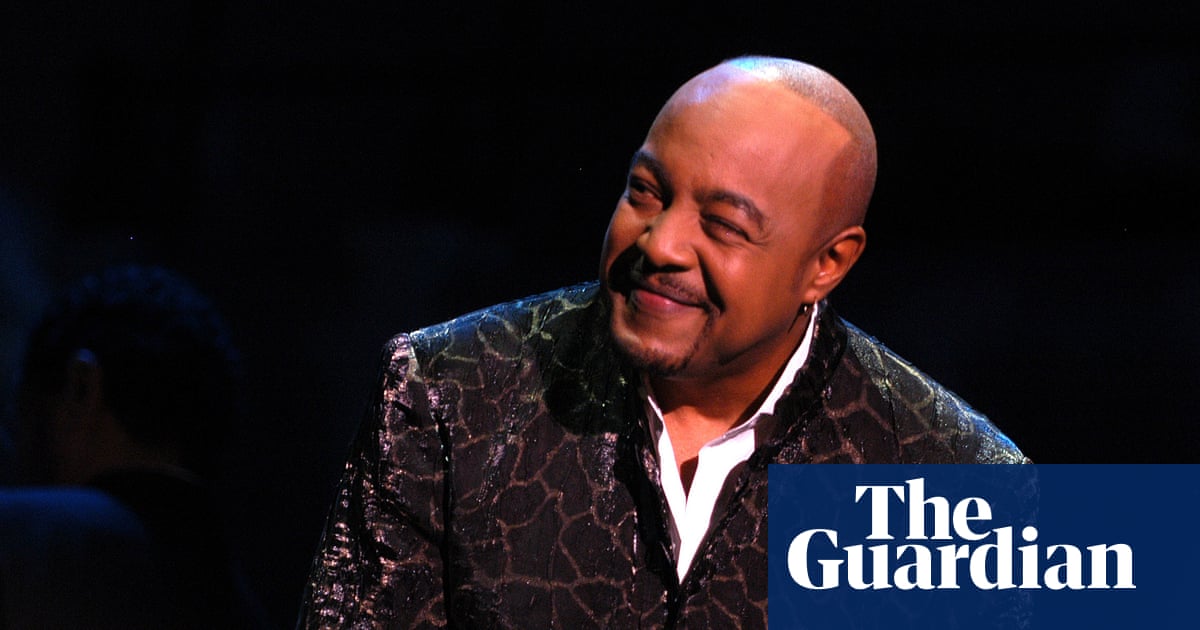
Peabo Bryson, R&B Singer Behind Classic Disney Duets, Dies Aged 75
The global music community is mourning the loss of a voice that defined romance for generations. Peabo Bryson, the Grammy-winning R&B powerhouse and the definitive voice behind some of the most iconic Disney cinematic ballads, has passed away at the age of 75. Known for his velvet-smooth tenor and an unmatched ability to convey longing and love, Bryson’s departure marks the end of an era for adult contemporary music and the golden age of the animated soundtrack.
The news that Peabo Bryson, R&B singer behind classic Disney duets, dies aged 75 – The Guardian and other major news outlets have confirmed — serves as a poignant reminder of the singer’s immense reach. While many recognized him as the man who brought magic to the screen, he was equally revered in the R&B world as a master of the soul ballad. His passing follows a period of health struggles, specifically a stroke that ultimately led to his death, leaving behind a discography that continues to resonate in wedding aisles, movie theaters, and radio stations worldwide.
The Final Act: Circumstances of His Passing
Reports indicate that Peabo Bryson’s death was the result of complications following a stroke. While the singer had remained a beloved figure in the industry, the suddenness of his decline has left fans and colleagues in shock. A stroke, a medical emergency occurring when the blood supply to part of the brain is interrupted or reduced, can have varying effects depending on the area impacted, but in Bryson’s case, the condition proved fatal.
The announcement of his death has triggered a wave of nostalgia, as listeners revisit the soaring melodies that characterized his career. For those who followed his journey, the transition from a chart-topping R&B artist to a global Disney icon was a masterclass in versatility. His ability to pivot from the grit of soul music to the polished perfection of a Disney theme song allowed him to capture two entirely different demographics: the R&B aficionados of the 1970s and 80s and the millions of children and families who grew up during the Disney Renaissance of the 1990s.
Peabo Bryson did not just sing songs; he sculpted emotions. Whether it was a quiet R&B track or a sweeping cinematic anthem, his voice possessed a rare gravity that could make a listener feel the weight of a heartbreak or the lift of a first love.
The Disney Renaissance and the Architecture of the Modern Ballad
To understand why Peabo Bryson’s death is such a significant loss, one must look at the cultural landscape of the early 1990s. During this period, Disney underwent a creative rebirth known as the “Disney Renaissance,” where the studio began integrating Broadway-style songwriting and contemporary pop sensibilities into its films. Bryson became the secret weapon of this era.
The Magic of ‘Beauty and the Beast’
In 1991, Bryson lent his voice to the title track of Beauty and the Beast. The song was not merely a movie theme; it was a sophisticated piece of songwriting that bridged the gap between traditional orchestral music and modern pop. Bryson’s performance provided a masculine yet tender counterpoint to the orchestration, helping the song win an Academy Award for Best Original Song. This track set the blueprint for how Disney would market its music—not just as part of the film, but as standalone radio hits.
The Global Phenomenon of ‘A Whole New World’
If Beauty and the Beast established his Disney credentials, Aladdin (1992) cemented his legendary status. “A Whole New World,” performed as a duet, became a global phenomenon. The song’s success lay in the chemistry between Bryson and his duet partner, creating a sonic representation of discovery and freedom. The track topped charts internationally and became one of the most covered songs in history. Bryson’s ability to hit those soaring high notes with ease and precision made the song an anthem of escapism for millions.
These collaborations were more than just commercial successes; they were cultural touchstones. They introduced a generation of young listeners to the nuances of R&B phrasing and the elegance of a professional tenor, effectively diversifying the sound of “family-friendly” music.
- Cross-Genre Appeal: Bryson brought an R&B sensibility to Disney, making the songs feel contemporary and soulful.
- Vocal Precision: His technical mastery allowed him to handle complex melodies without losing the emotional core of the lyrics.
- The Art of the Duet: He possessed the rare ability to support his partner’s voice while still maintaining a powerful presence.
Beyond the Mouse: An R&B Legend in His Own Right
While the general public may associate him primarily with Disney, Peabo Bryson’s roots were firmly planted in the soil of American R&B and soul. Long before he was singing about magic carpets and enchanted castles, Bryson was a staple of the “Quiet Storm” radio format—a style of mellow, romantic R&B that dominated the late 70s and 80s.
His solo career was marked by a series of hits that established him as a premier romantic crooner. He didn’t rely on the flashy gymnastics of some of his contemporaries; instead, he relied on phrasing, breath control, and a deep, resonant tone that felt intimate and authentic. His albums were soundtracks for romance, providing the backdrop for countless dates and slow dances across the United States.
The Influence of the ‘Smooth Soul’ Era
Bryson operated in an era where the line between R&B and Adult Contemporary was blurring. He was a contemporary of artists like Luther Vandross and Freddie Jackson, contributing to a sound that was sophisticated, polished, and emotionally direct. This era of music focused on “the song” and “the voice” rather than heavy production, a philosophy that Bryson adhered to throughout his career.
His work in the R&B sphere provided the foundation for his Disney success. The poise and discipline required to lead a soul record were exactly what Disney needed to give their ballads a sense of maturity and weight. Without his background in the R&B circuit, the Disney songs might have felt too “cartoonish”; Bryson gave them a human heartbeat.
A Timeline of Excellence
To appreciate the trajectory of Peabo Bryson’s career, it is helpful to look at the key milestones that defined his professional life. From his early days of struggle to his peak as a global superstar, his journey was one of consistent growth and artistic refinement.
| Era/Year | Key Milestone/Achievement | Impact/Significance |
|---|---|---|
| 1970s | Early R&B Career & Solo Debuts | Established himself as a rising soul singer with a distinct tenor. |
| 1980s | Quiet Storm Dominance | Became a household name in romantic R&B and adult contemporary music. |
| 1991 | ‘Beauty and the Beast’ Release | Won an Academy Award; transitioned into a global cinematic icon. |
| 1992 | ‘A Whole New World’ Release | Achieved massive international chart success and Grammy recognition. |
| 2000s – 2020s | Legacy Performances & Honors | Continued touring and recording, cementing his status as a timeless vocalist. |
The Technicality of the Tenor: Why His Voice Worked
From a musical perspective, Peabo Bryson was a master of the tenor range. A tenor is the highest of the natural adult male singing voices, and Bryson utilized this range to create a sense of yearning and openness. However, what set him apart was not just the height of his notes, but the texture of his delivery.
Breath Control and Phrasing
One of the hallmarks of Bryson’s style was his phrasing—the way he decided to stretch or shorten a note for emotional effect. In “A Whole New World,” he doesn’t just sing the notes on the page; he breathes life into them, using slight delays and crescendos to mimic the feeling of awe. This is a technique rooted in gospel and soul music, where the emotion of the delivery is as important as the melody itself.

The Dynamics of the Duet
Singing a duet is a delicate balancing act. Many singers attempt to “out-sing” their partner, leading to a vocal battle rather than a harmony. Bryson was a master of the “complementary” approach. He knew when to pull back to let the female lead shine and when to surge forward to provide the emotional climax of the song. This selflessness in his artistry is why he was the first choice for Disney’s most critical romantic moments.
For those interested in the technical evolution of vocal styles, a related explainer on the history of R&B tenors would provide further context on how Bryson fit into the broader lineage of soul music.
Cultural Implications and the Legacy of the Love Song
The passing of Peabo Bryson invites a larger conversation about the role of the “love song” in modern culture. In an age of fragmented music tastes and algorithmic playlists, the era of the “universal ballad”—a song that could be loved by a five-year-old and a seventy-year-old simultaneously—is largely gone. Bryson was one of the last great practitioners of this art.
His music served as a bridge. For many, his Disney work was their first introduction to the sophistication of R&B. For others, his R&B work was a gateway to appreciating the storytelling power of cinematic music. By occupying both spaces, he helped break down barriers between “genre” music and “commercial” music.
Correcting Common Misconceptions
A common oversimplification is to view Peabo Bryson merely as a “Disney singer.” This ignores the decades of work he put into the R&B circuit before the 1990s. He was not a product of Disney’s marketing machine; rather, Disney recognized a pre-existing mastery and hired him to elevate their brand. He brought the prestige of the R&B world to the animation studio, not the other way around.
Another misconception is that his style was “too safe.” While his music was polished, the emotional honesty required to sing a ballad convincingly is immense. To make a song like “Beauty and the Beast” feel genuine requires a level of vulnerability that is often overlooked in the pursuit of technical perfection.
Industry Impact and Global Reactions
The reaction to the news that Peabo Bryson, R&B singer behind classic Disney duets, dies aged 75 has been one of profound respect. Colleagues from the recording industry have noted that Bryson’s professionalism was as legendary as his voice. In an industry often characterized by volatility, Bryson was known as a “singer’s singer”—a reliable, disciplined artist who treated every session with the utmost seriousness.
Music historians suggest that his influence can be seen in the modern “pop-soul” ballads of today. The way contemporary artists blend cinematic production with soulful vocals owes a debt to the path Bryson blazed in the early 90s. He proved that a soulful voice could be a commercial juggernaut without sacrificing its integrity.
The loss of Bryson is not just the loss of a performer, but the loss of a specific kind of musical elegance. He represented a time when the human voice was the primary instrument of emotion, and a well-crafted melody was the most powerful tool for storytelling.
Frequently Asked Questions About Peabo Bryson
What caused Peabo Bryson’s death?
Peabo Bryson passed away at the age of 75 following a stroke. A stroke occurs when the blood supply to part of the brain is blocked or reduced, leading to brain cell damage.
Which Disney movies did Peabo Bryson sing for?
He is most famous for his work on Beauty and the Beast (1991), where he sang the title track, and Aladdin (1992), where he performed the hit “A Whole New World.”
Was Peabo Bryson only a Disney singer?
No. Before and during his Disney success, Bryson was a highly respected R&B and soul artist, known for his contributions to the “Quiet Storm” genre and his numerous solo hits in the adult contemporary charts.
Did Peabo Bryson win any awards?
Yes, he was a Grammy-winning artist and his work on Disney soundtracks earned him an Academy Award for Best Original Song for “Beauty and the Beast.”
What was Peabo Bryson’s vocal range?
Bryson was a tenor, known for his smooth, high-reaching voice and his exceptional ability to perform romantic duets with precision and emotional depth.
As the world reflects on the life of Peabo Bryson, the most enduring tribute will be the songs that continue to play. From the magic of a flying carpet to the quiet intimacy of a soul record, his voice remains a permanent fixture in the soundtrack of our lives. He taught us how to sing about love, how to dream in melody, and how to reach for the stars with a single, perfect note. The silence left by his passing is vast, but the echo of his artistry will resonate for as long as there are stories of love to be told.
