
Peruvian southern regions have consistently opposed Keiko Fujimori’s political ambitions for 15 years, according to recent analyses of voting patterns and regional sentiment. Local media reports indicate that historical grievances, particularly related to past state violence, have shaped electoral behavior in the area, creating a formidable challenge for Fujimori’s potential future campaigns.
Historical Context Influences Regional Politics
Political analysts note that the southern regions of Peru, including areas like Arequipa and Cusco, have maintained a distinct political identity separate from the country’s central and northern zones. This divergence has been reinforced by memories of state violence during the 1980s and 1990s, a period marked by conflicts between government forces and insurgent groups. A video published by local outlet El Búho.pe highlights how these historical experiences continue to inform contemporary voter decisions.
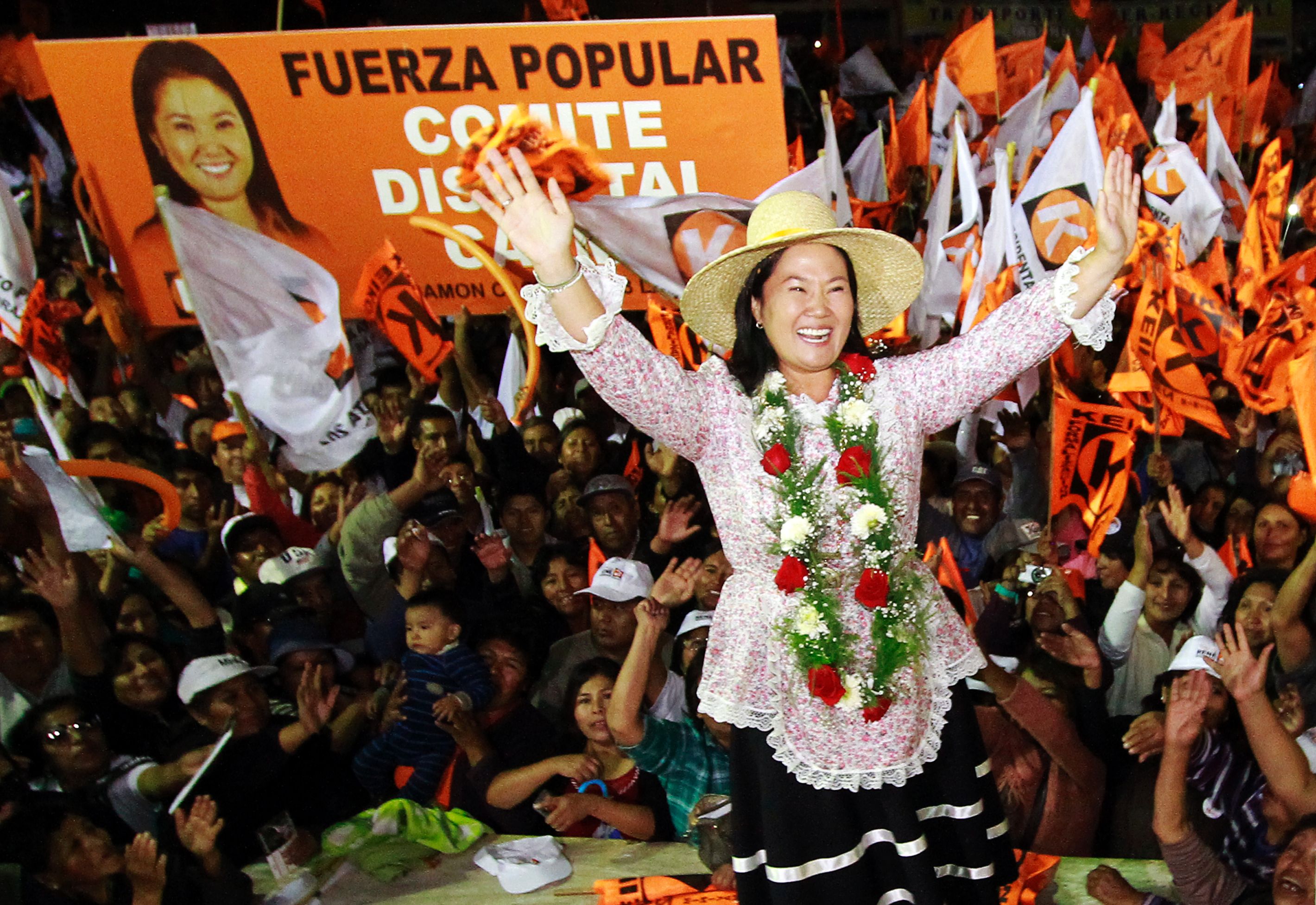
“The legacy of repression has created a deep-seated distrust of political figures associated with past governance,” said a political scientist interviewed by Pico a Pico, a regional media program. “This sentiment has translated into consistent opposition to Fujimori’s political agenda in these areas.”
Voting Trends Reflect Longstanding Regional Divides
According to electoral data compiled by local journalists, the southern regions have not supported Fujimori or her political allies in any major election since 2009. This trend has persisted despite broader national shifts in political alignment. The consistency of this opposition has been described as “a defining feature of the region’s political landscape” by analysts covering Peruvian politics.
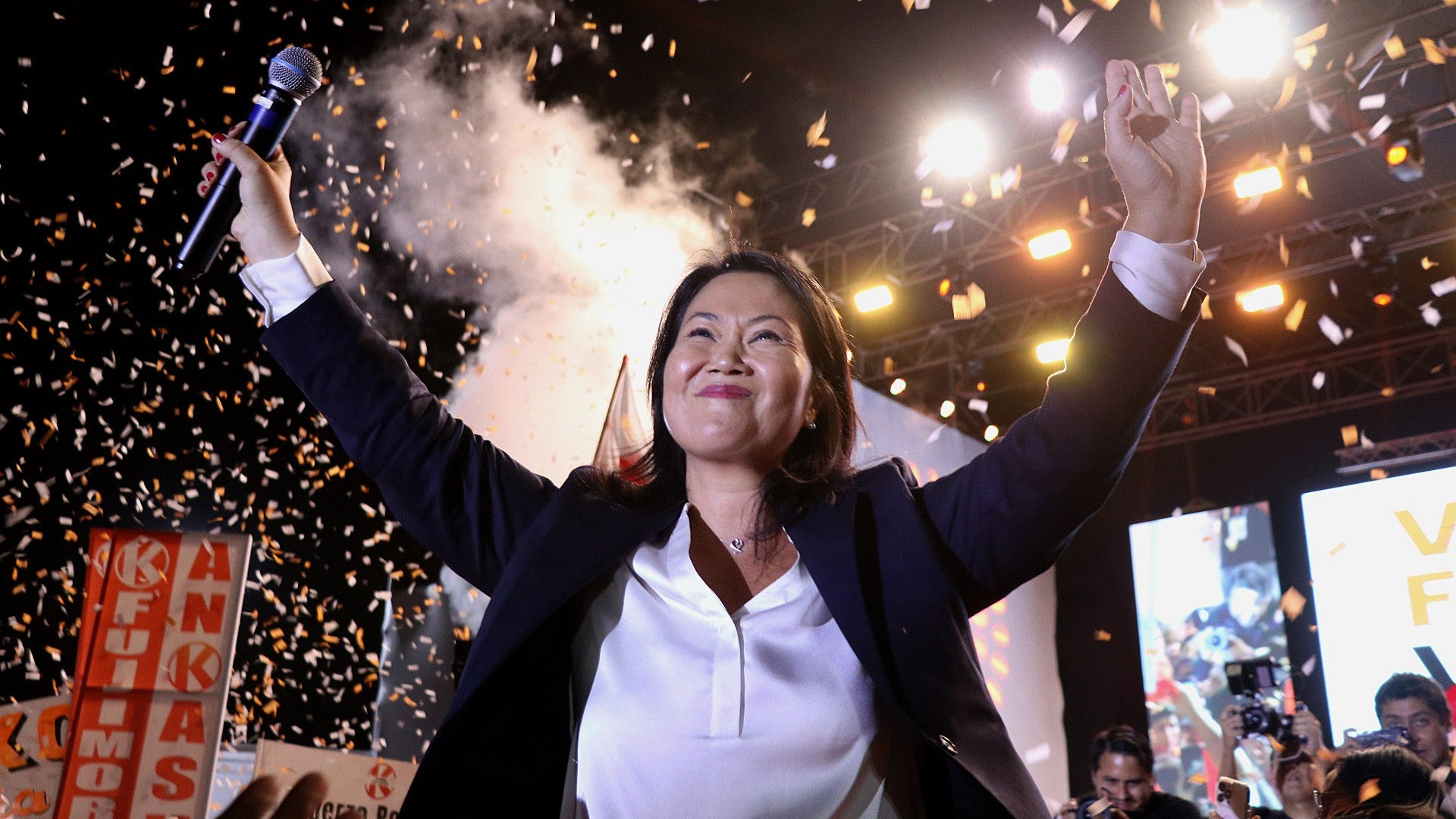
The phenomenon has drawn attention from national media outlets, with Encuentro.pe noting that Fujimori’s potential return to power would face significant resistance in these areas. “The southern regions represent a critical bloc that could determine the outcome of future elections,” the report stated.
Impact on National Political Strategy
Political strategists advising Fujimori’s campaign have acknowledged the challenge posed by southern voting patterns. A spokesperson for her team told local media that “winning over these regions requires a nuanced approach that addresses historical grievances while presenting a clear vision for the future.” However, no specific plans to address these concerns have been publicly disclosed.
The resistance in southern Peru contrasts with Fujimori’s stronger support in urban centers like Lima and the northern regions. This regional divide has become a key factor in discussions about her political viability, with some analysts suggesting that overcoming this opposition could define her chances of reentering national politics.
