
Tony Stark’s death in the MCU should have happened years earlier, according to a leading Indonesian film critic—sparking debate over how the franchise’s timeline could have better served its emotional weight.
In a blunt assessment published by detikcom, critic Joko Anwar argues that Tony Stark’s sacrifice in Avengers: Endgame (2019) arrived too late in the Marvel Cinematic Universe’s narrative arc. Stark’s death, while impactful, could have carried more resonance had it occurred earlier—aligning with the character’s established arc of self-destruction and moral compromise.
Why the Timing Feels Off
Anwar’s critique hinges on the pacing of Stark’s downfall. By the time Endgame unfolded, the character had already undergone decades of screen time—from his cocky, tech-savvy debut in Iron Man (2008) to his battle-weary leadership in Avengers: Infinity War (2018). The critic suggests that Stark’s death, while thematically fitting, lost some of its emotional punch because the audience had already witnessed his decline in earlier films like Captain America: Civil War (2016) and Spider-Man: Homecoming (2017), where his arrogance and moral ambiguity were on full display.
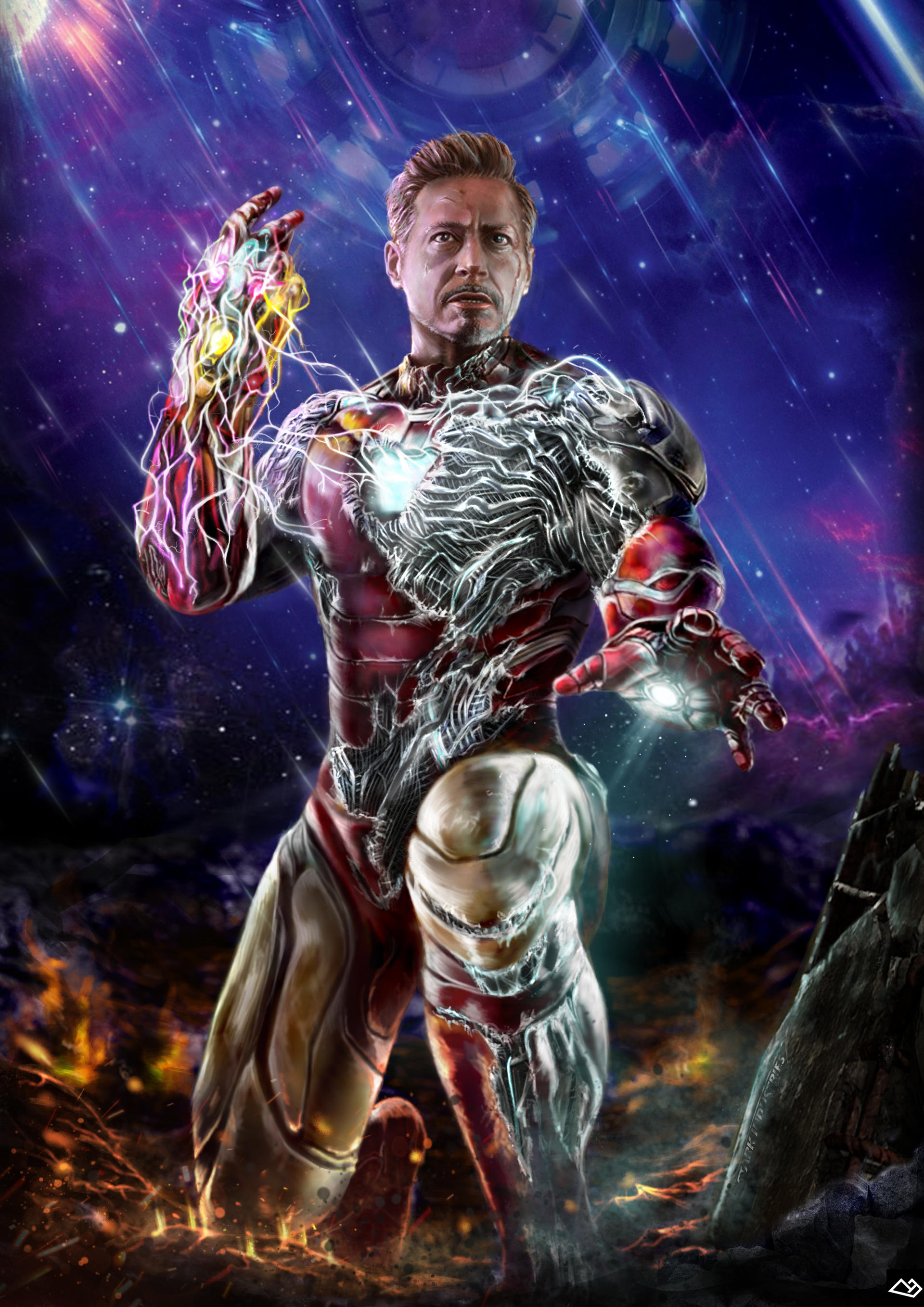
“The tragedy of Tony Stark wasn’t just that he died—it was that he had to die after the universe had already seen him fail in so many other ways,” Anwar wrote. “The weight of his choices, the cost of his ego, should have been felt sooner.”
A Fan and Industry Divide
The debate over Stark’s arc isn’t new. Some fans and critics have long argued that the MCU could have explored his redemption—or his downfall—more aggressively in standalone films like Iron Man 3 (2013) or Avengers: Age of Ultron (2015), where his PTSD and guilt were introduced but not fully exploited. Others defend the timeline, noting that Endgame’s emotional payoff was amplified by the years leading up to it.
Industry insiders, however, rarely engage directly with such critiques. Marvel Studios has consistently framed its narrative as a long-game strategy, with each film building toward a larger conclusion. Yet Anwar’s perspective underscores a broader question: Could the MCU have balanced its sprawling timeline with deeper character stakes earlier?
What This Means for Future MCU Storytelling
While Anwar’s analysis is rooted in retrospective reflection, it raises questions about how future MCU projects might handle character arcs. With Phase 5 and beyond introducing new generations of heroes, the franchise faces the challenge of maintaining emotional investment without relying solely on late-stage sacrifices.

For now, the debate remains speculative—no official statements from Marvel Studios or the cast have addressed Anwar’s critique directly. But as the MCU continues to expand, the tension between spectacle and substance will likely remain a point of discussion among fans and critics alike.
Key Details
- Critic’s Name: Joko Anwar (Indonesian film analyst)
- Publication: detikcom (Indonesian news outlet)
- Focus: Tony Stark’s death in Avengers: Endgame (2019) and its narrative timing
- Comparison: Stark’s arc in Iron Man 3 (2013) vs. Endgame’s emotional impact
- Industry Context: MCU’s long-term storytelling vs. character-driven stakes
