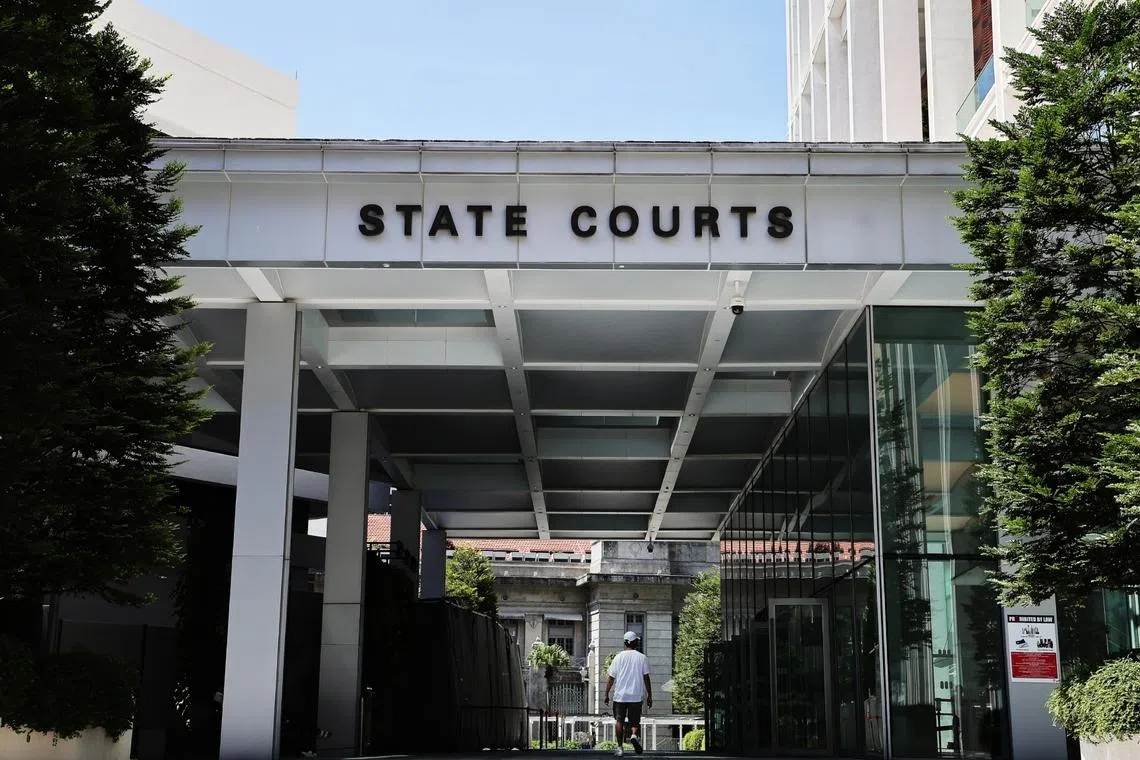
Former SIA Engineering Technician Sentenced to Jail for Theft of Laptops and Hard Drives
A former technician at SIA Engineering Company has been sentenced to imprisonment after stealing laptops and hard drives from the aviation maintenance firm. The court found the employee abused his professional access to remove company hardware for personal gain, raising concerns regarding insider threats and asset security within the aviation MRO (Maintenance, Repair, and Overhaul) sector.
The Details of the Theft at SIA Engineering
Court proceedings revealed that a technician employed by SIA Engineering Company systematically removed company property, including laptops and hard drives, from the premises. The defendant utilized his position of trust and his authorized access to secure areas of the facility to facilitate the theft. According to court records, the stolen items were not merely office equipment but critical hardware used in the technical operations of the company.
The theft occurred over a period of time, suggesting a pattern of behavior rather than a single isolated incident. The technician’s ability to move hardware out of the facility without immediate detection points to a gap in the physical security checkpoints or a failure in the real-time inventory tracking systems used at the time. The stolen assets, which included high-value laptops and storage drives, were allegedly taken to be sold or used for personal benefit.
Key facts of the case include:
- The Perpetrator: A technician with authorized access to SIA Engineering facilities.
- The Assets: Multiple laptops and hard drives.
- The Motive: Personal financial gain through the unauthorized removal and potential resale of corporate hardware.
- The Outcome: A jail sentence imposed by the Singapore court to serve as a deterrent against employee theft.
Breakdown of the Court Sentencing
The judicial decision to impose a jail term reflects the court’s view on the breach of trust inherent in employee theft. In Singapore, the legal system distinguishes between simple theft and theft committed by someone in a position of trust, often categorizing the latter as a more severe offense due to the violation of the employer-employee relationship.
During the sentencing, the court considered the total value of the stolen laptops and hard drives, the duration of the thefts, and whether the defendant attempted to conceal the crime. While the technician may have argued for leniency based on personal circumstances, the prosecution emphasized the need for a custodial sentence to signal that corporate theft within critical infrastructure sectors—such as aviation—will not be tolerated.
| Factor | Impact on Sentencing |
|---|---|
| Position of Trust | Increased severity; the defendant used company access to commit the crime. |
| Nature of Assets | Laptops and hard drives often contain sensitive proprietary data. |
| Frequency | Repeated thefts indicate premeditation rather than an impulse act. |
| Recovery | The extent to which items were recovered influenced the final jail term. |
Why the Theft of Aviation Hardware Matters
While the theft of a laptop might seem like a routine corporate crime, the context of SIA Engineering—a global leader in aircraft maintenance—adds a layer of risk. Aviation MRO companies handle highly sensitive technical manuals, aircraft maintenance logs, and proprietary engineering data. The removal of hard drives from such an environment introduces significant security risks.
Data Security and Proprietary Information
Hard drives in an aviation engineering context often store data that is subject to strict regulatory oversight by bodies like the Civil Aviation Authority of Singapore (CAAS) or the Federal Aviation Administration (FAA). If the stolen drives contained unencrypted technical specifications or client data, the breach could have shifted from a simple theft case to a major data security incident.
.jpg "Data Security and Proprietary Information")
Corporate security experts note that the “insider threat”—where a trusted employee steals assets—is often more dangerous than external hacking. An employee knows where the assets are kept, how the security guards operate, and which items are the most valuable. In this instance, the technician’s knowledge of the facility’s layout and routines allowed the theft to go unnoticed for a period.
Impact on Operational Integrity
The loss of laptops used for engineering tasks can disrupt workflows. In a high-precision environment like aircraft maintenance, the loss of a device containing specific diagnostic software or calibration data can lead to operational delays. While SIA Engineering likely had backups of the data, the physical loss of the hardware requires time-consuming audits and replacements.
For more on how companies manage these risks, see this related explainer on corporate insider threat mitigation.
Insider Threats in the Aviation Sector
The incident involving the technician jailed for stealing laptops, hard drives from SIA Engineering – The Straits Times highlights a recurring vulnerability in large-scale industrial operations. Aviation hubs are sprawling complexes with thousands of employees and contractors, making the tracking of every single piece of hardware a logistical challenge.
Common Vulnerabilities
Security analysts identify several reasons why these thefts occur in industrial settings:
- Over-reliance on Trust: Long-term employees are often subjected to less scrutiny at checkpoints than new hires or visitors.
- Poor Asset Tagging: If hardware is not tagged with RFID or GPS trackers, it is difficult to know exactly when a device leaves a secure zone.
- Lax Disposal Protocols: Hard drives slated for decommissioning are often left in unsecured bins, making them easy targets for theft.
The “Opportunity” Trigger
Criminologists often cite the “Fraud Triangle”—pressure, opportunity, and rationalization. In this case, the opportunity was provided by the technician’s access. The pressure may have been financial, and the rationalization might have been that the company is large enough that a few laptops would not be missed. The jail sentence serves to break this rationalization by demonstrating the high personal cost of such actions.
Best Practices for Preventing Corporate Hardware Theft
To prevent similar incidents, companies in the engineering and aviation sectors are increasingly adopting “Zero Trust” physical security models. This approach assumes that no one, regardless of their rank or tenure, is exempt from security protocols.
Technical Safeguards
Modern firms are moving toward several key technical interventions to secure their hardware:
- Full Disk Encryption (FDE): Ensuring that even if a hard drive is stolen, the data is unreadable without a corporate key.
- Remote Wipe Capabilities: Using Mobile Device Management (MDM) software to erase all data the moment a laptop is reported missing or fails to “check in” with the company server.
- Hardware Locks: Using physical Kensington locks for laptops in shared workspaces and secure, locked cabinets for portable hard drives.
Administrative and Physical Controls
Beyond software, physical barriers remain the first line of defense. Many high-security facilities now employ:
- Strict Exit Searches: Implementing random or mandatory bag checks for all staff leaving the premises.
- Digital Asset Logs: Requiring employees to “sign out” hardware using a digital badge system that logs the exact time of removal and expected return.
- Regular Audits: Conducting monthly physical inventories of all hardware to identify missing items before they become a long-term pattern of theft.
For further reading on legal protections for employers, check out this guide to Singapore employment law and misconduct.
Comparing Employee Theft and Criminal Breach of Trust
In the legal context of this case, there is a distinction between simple theft and a criminal breach of trust (CBT). While the headlines often use the word “stealing,” the legal charges often involve CBT when the assets were legally entrusted to the employee as part of their job.
If the technician was responsible for maintaining those laptops, the crime is not just stealing—it is a betrayal of the trust placed in them to manage those assets. This distinction is critical because CBT often carries heavier penalties in Singaporean courts than simple theft of a similar value. The court’s decision to jail the technician underscores the gravity of violating a professional fiduciary duty.
The following table contrasts the two legal perspectives:
| Aspect | Simple Theft | Criminal Breach of Trust (CBT) |
|---|---|---|
| Access | The thief takes something they had no right to possess. | The perpetrator was legally entrusted with the asset. |
| Relationship | Can be a stranger or an acquaintance. | Usually involves an employer, partner, or agent. |
| Court View | Seen as a crime of opportunity or greed. | Seen as a violation of trust and professional integrity. |
| Sentencing | Based primarily on the value of the item. | Based on value PLUS the degree of trust violated. |
Frequently Asked Questions
What happened to the technician who stole from SIA Engineering?
The technician was arrested and subsequently sentenced to jail by a Singapore court for the theft of laptops and hard drives from the company. The sentence was intended to punish the breach of trust and deter other employees from similar actions.
What items were stolen in the SIA Engineering case?
The stolen assets included company laptops and hard drives. These items are critical for technical operations and potentially contain sensitive aviation engineering data.
Why is this case significant for the aviation industry?
It highlights the risk of “insider threats,” where employees use their authorized access to steal hardware. Because aviation firms handle proprietary and regulated data, the theft of hard drives poses a potential security risk beyond the monetary value of the hardware.
How do companies prevent employees from stealing hardware?
Companies use a combination of physical security (bag checks, locked cabinets), technical controls (MDM software, disk encryption), and administrative audits (digital asset logging and frequent inventory checks).
Is stealing from an employer treated differently than regular theft?
Yes, in many jurisdictions including Singapore, theft by an employee can be charged as a criminal breach of trust. This often leads to harsher sentencing because it involves a violation of the trust inherent in the employment contract.
The resolution of this case serves as a reminder for corporations to balance employee trust with rigorous asset management. As hardware becomes smaller and data more valuable, the temptation for insider theft may increase, necessitating a shift toward more automated and stringent tracking systems. For those in the aviation sector, the focus remains on ensuring that the physical security of the hangar is matched by the digital security of the hard drives within it.
For more information on industrial security standards, you may want to explore a related explainer on ISO 27001 for asset management.
