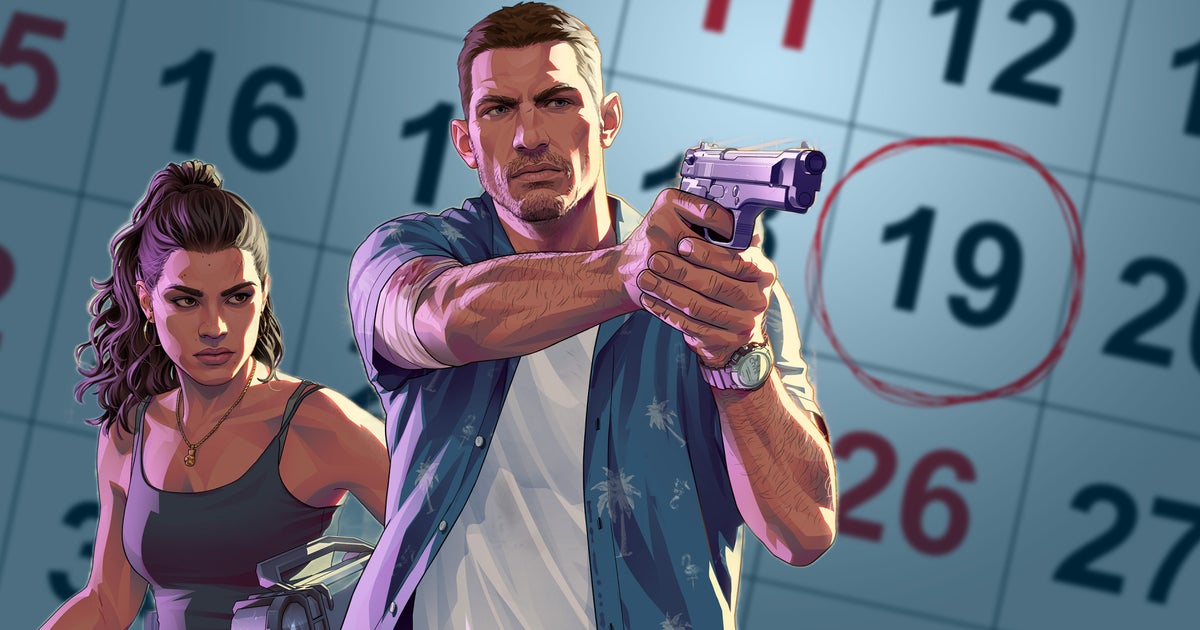
Grand Theft Auto 6 Looms Like a Black Hole in the Release Schedule, but is Pushing Everything into September the Way to Deal With It?
The gaming industry is currently bracing for a seismic event. While most blockbuster titles are treated as major milestones, the impending arrival of Grand Theft Auto 6 is being viewed by publishers and analysts not as a mere release, but as a gravitational anomaly. In industry circles, the sentiment is clear: Grand Theft Auto 6 looms like a black hole in the release schedule, but is pushing everything into September the way to deal with it? This phenomenon, often referred to as the “Rockstar Effect,” is fundamentally reshaping how the world’s largest publishers plan their fiscal years, leading to a precarious congestion of titles in late 2026.
For decades, Rockstar Games has possessed the unique ability to dictate the tempo of the entire interactive entertainment market. When a new Grand Theft Auto title arrives, it doesn’t just compete for sales; it consumes the collective attention of the global gaming population. This “black hole” effect suggests that any game releasing in the same window as GTA 6 risks being rendered invisible, regardless of its quality or budget. A dangerous trend has emerged: a mass migration of high-profile releases toward September 2026, creating a “murderer’s row” of titles that could prove just as perilous as launching alongside the most anticipated game in history.
The Mechanics of the “GTA Black Hole”
To understand why the industry is reacting with such intensity, one must look at the historical footprint of Rockstar Games. The release of Grand Theft Auto V in 2013 didn’t just break records; it established a blueprint for cultural dominance that lasted over a decade. GTA is one of the few franchises that transcends the “gamer” demographic, attracting casual players, mainstream media attention and immense social media engagement.
When a game of this magnitude enters the market, several things happen simultaneously:
- Consumer Budget Exhaustion: The average consumer has a finite budget for premium titles. A $70+ investment in a game that promises hundreds of hours of content often precludes the purchase of other titles in the same quarter.
- Attention Economy Dominance: Marketing spend for GTA 6 will likely dwarf the combined budgets of several other AAA titles. The sheer volume of discourse—from trailers to leaks—leaves little room for other games to “break through the noise.”
- Retail and Digital Storefront Saturation: Whether on the PlayStation Store, Xbox Marketplace, or Steam, the visibility of a GTA launch is so absolute that other titles are pushed further down the discovery algorithms.
“The industry doesn’t just fear the competition of GTA 6; they fear the vacuum it creates. It is an event that stops the clock for everyone else.”
The September 2026 Logjam: A Risky Solution
Faced with the prospect of being swallowed by the GTA black hole, many publishers have opted for a strategy of avoidance. By shifting their release windows, they hope to find a “safe harbor” where their games can breathe. However, this has led to an unprecedented stacking of releases in September 2026. This migration has turned what is usually a busy month into a potential disaster for visibility.

The logic behind the September push is based on the traditional “holiday window” preparation. Publishers want to be in the hands of consumers before the November/December rush, but after the summer lull. But when every major studio follows this same logic, the result is a saturated market where titles fight for the same limited slice of consumer time and money.
The Risks of Over-Stacking
Pushing everything into September creates a secondary set of problems that may be just as damaging as launching alongside Rockstar. When too many “must-play” titles arrive at once, the market experiences player fatigue. Gamers cannot physically play five 60-hour RPGs or three massive open-world games in a single month. This leads to “backlog anxiety,” where consumers delay purchases indefinitely, waiting for sales or reviews to tell them which single game is worth their limited time.
the marketing struggle becomes a war of attrition. With multiple AAA studios fighting for the same ad placements and press coverage in September, the cost of customer acquisition skyrockets, potentially eating into the profit margins of games that were moved specifically to avoid financial risk.
| Scenario | Primary Risk | Potential Outcome | Strategic Goal |
|---|---|---|---|
| Launching with GTA 6 | Total invisibility / “The Vacuum” | Poor initial sales; drowned out by hype. | High-risk, high-reward (riding the wave). |
| Pushing to September 2026 | Market saturation / Fatigue | Split audience; lower-than-expected “per-title” sales. | Safety in numbers; avoiding the “Black Hole.” |
| Early Spring Release | Lack of holiday momentum | Steady sales but lower peak revenue. | Clear air and dedicated attention. |
Industry Stakeholders and Their Dilemmas
The ripple effect of the GTA 6 release schedule impacts different sectors of the industry in varying ways. It is not just a struggle for the “Massive Three” publishers, but a systemic issue affecting the entire ecosystem.
AAA Publishers and the “Safe Window”
For massive studios, a delay of three months can cost millions in operational overhead but save hundreds of millions in potential lost revenue. These entities are the ones most likely to engage in the “September Shuffle.” Their priority is protecting the Return on Investment (ROI). If a game is projected to make $500 million, risking a 20% drop in sales because it launched in the same week as GTA 6 is an unacceptable gamble.
The Indie Struggle
Independent developers face a different challenge. They lack the marketing budgets to fight for space in a crowded September. For indies, the GTA black hole is less about direct competition and more about the “cultural blackout.” When the world is talking about Vice City, they aren’t talking about the innovative indie puzzle game that just launched. Many indies may find that the only way to survive is to release their games in the “dead zones” of the calendar—January or February—where they can capture the attention of bored gamers waiting for the next big thing.
Platform Holders (Sony, Microsoft, Nintendo)
Console manufacturers are in a complex position. On one hand, they want GTA 6 to be a massive success because it drives hardware sales and ecosystem engagement. They need a steady stream of first-party exclusives to maintain momentum throughout the year. A massive “gap” followed by a “glut” in September creates an unstable revenue curve for the platforms.
For more on how hardware cycles affect software timing, see our related explainer on console generation transitions.
Analyzing the “Murderer’s Row” Effect
The term “murderer’s row” is often used in sports to describe a lineup of superstars. In the context of September 2026, it describes a release calendar so dense with quality that it becomes predatory. When five or six “Game of the Year” contenders launch within a 30-day window, the industry creates an artificial scarcity of consumer time.
Key factors contributing to the September congestion include:
- The “Post-GTA” Recovery: The belief that by September, the initial “shock” of the GTA launch will have subsided, but the appetite for gaming will remain high.
- Fiscal Year Alignment: Many companies align their biggest releases with the start of the fourth quarter to maximize holiday bonuses and end-of-year reports.
- Development Cycles: The reality that many games delayed to avoid GTA 6 simply cannot be pushed any further back without missing the critical holiday shopping window.
This creates a paradoxical situation. By trying to avoid the “black hole” of GTA 6, publishers are creating a “pressure cooker” in September. The result may be a series of secondary delays, as studios realize that September is now just as dangerous as the original GTA window.
Common Misconceptions About Release Windows
There is a prevailing myth that “better games always win,” regardless of when they are released. While a masterpiece can certainly survive a crowded window, the reality of modern gaming is more about discoverability than pure quality. A mediocre game with a massive marketing budget and a clear release window will often outperform a brilliant game that is released during a cultural blackout.
Another misconception is that digital distribution has solved the “release window” problem. While it is true that a game doesn’t need physical shelf space at GameStop, it still needs “digital shelf space” in the form of featured banners on the PlayStation or Steam homepages. These slots are limited and highly contested. When GTA 6 is the primary feature, everything else is relegated to the “More” tab.
The Long-Term Implications for the Gaming Economy
If the trend of clustering releases continues, we may see a fundamental shift in how games are marketed and sold. The current “big bang” release model—where a game launches with a massive marketing push and hopes for a huge first-week sales number—is becoming increasingly risky.
We may see a rise in the following strategies:
- Staggered Access: More games moving toward “Early Access” or “Beta” periods to build a community before the official “launch” date, effectively decoupling the marketing peak from the release date.
- Subscription-First Models: A heavier reliance on Game Pass or PS Plus, where the “cost” to the consumer is zero at the point of entry, reducing the “budget exhaustion” caused by GTA 6.
- Dynamic Pricing: More aggressive pre-order bonuses and “founder’s packs” to lock in revenue months before the actual release window.
The “GTA 6 effect” is essentially a stress test for the modern gaming industry. It reveals how dependent the market is on a few “mega-hits” and how fragile the release calendar becomes when one entity possesses enough gravity to pull everything else toward it.
Frequently Asked Questions
Why is GTA 6 described as a “black hole” in the release schedule?
The term “black hole” refers to the game’s ability to absorb almost all consumer attention, marketing visibility, and disposable income. Because of its massive scale and cultural impact, other games released near its launch date often struggle to be noticed or sold, effectively “disappearing” into the hype surrounding the Rockstar title.
Is September 2026 actually a lousy time to release a game?
Not inherently, but it becomes risky when too many high-profile titles are moved there to avoid GTA 6. This creates “market saturation,” where gamers are overwhelmed by too many choices and limited by their time and budget, potentially leading to lower sales for everyone involved.

How do smaller indie games survive a GTA 6 launch?
Indie developers often survive by avoiding the “AAA windows” entirely. By releasing during quieter months (like January or February) or leveraging niche communities on platforms like Steam, they can find an audience that is looking for something different from the mainstream blockbuster experience.
Will GTA 6 actually cause other games to be delayed?
Historically, yes. Rockstar’s releases have often prompted other publishers to shift their dates by several weeks or months to ensure their titles receive proper media coverage and consumer focus. The “September 2026” trend is a direct result of this strategic avoidance.
Does digital distribution make release dates less important?
While digital stores remove the need for physical shipping, they introduce “algorithmic competition.” If a game like GTA 6 dominates the “Trending” or “Featured” sections of a digital store, other games lose the visibility required to drive organic sales, making the timing of the launch still critically important.
As we move closer to 2026, the industry will likely continue to shuffle its deck. The tension between avoiding the gravitational pull of Grand Theft Auto 6 and avoiding the crowded corridors of September will define the next two years of gaming. For the players, this means a period of unprecedented anticipation, followed by a potential deluge of content that will test the limits of their wallets and their free time. The only certainty is that when the black hole finally opens, the gaming landscape will be permanently altered.
