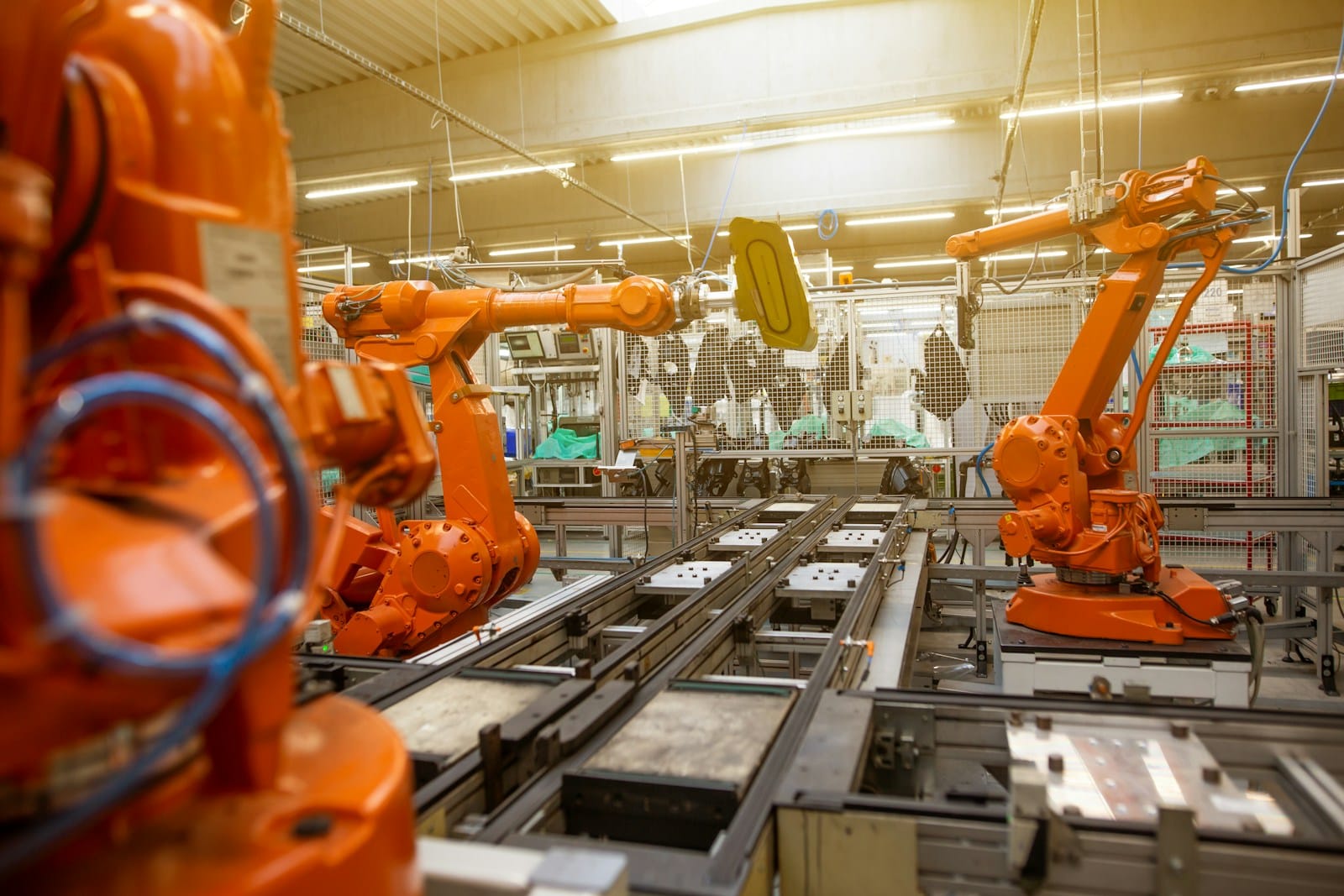
Manufacturing companies are increasingly partnering with technology startups to accelerate digital transformation and implement “Industry 4.0” practices. According to local media reports, these collaborations allow industrial firms to integrate advanced digital tools into production while providing startups with the scale and infrastructure needed to deploy their innovations.
The Trade-off Between Scale and Innovation
The shift toward digital partnerships stems from a fundamental gap in capabilities between established industrial players and new tech ventures. Manufacturing firms typically possess significant resources, established market access, and large-scale production infrastructure, but they often lack the agility and specialized technical expertise required to develop modern software solutions internally.

Conversely, technology startups offer high levels of innovation and the ability to iterate quickly on new products. However, these smaller firms frequently struggle with the lack of capital and the inability to test their technologies at a commercial scale. By forming partnerships, both entities mitigate their respective weaknesses: the industrial firm gains a fast track to modernization, while the startup gains a real-world environment to validate and scale its technology.
Modernizing the Factory Floor
These partnerships are primarily focused on the transition to Industry 4.0, a term describing the digitization of manufacturing processes. The goal is to move away from legacy systems toward interconnected, data-driven production environments.
According to local media reports, the integration of digital partners allows manufacturing companies to:
- Optimize production lines: Using data analytics to identify bottlenecks and improve workflow efficiency.
- Reduce operational costs: Implementing automated monitoring and predictive maintenance to lower downtime and waste.
- Accelerate product development: Utilizing agile software methodologies to bring new industrial products to market faster.
Driving Competitiveness Through Digitization
The drive toward digital partnership is not merely about upgrading equipment but is a strategic move to maintain competitiveness in a global market. Traditional manufacturing models are being challenged by the need for greater flexibility and customization, which are difficult to achieve without a robust digital layer.
By inviting digital partners into the production process, industrial companies can transform their operational models from rigid, linear processes into flexible systems capable of responding to real-time data. This transition helps these firms avoid the stagnation associated with outdated technology while allowing startups to penetrate the industrial sector, which has historically been slower to adopt digital disruption than the consumer software market.
