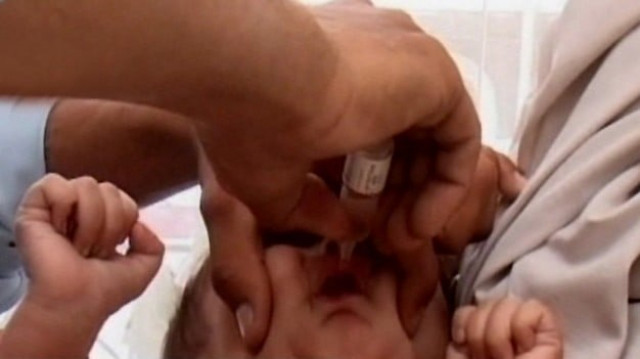
Pindi Passes Critical Polio Surveillance Assessments: A Milestone in Public Health
In a significant development for public health initiatives in the region, Pindi has successfully navigated key polio monitoring tests, marking a crucial step in the broader effort to eradicate the disease. The results of these assessments underscore the effectiveness of local health strategies and the commitment of various stakeholders to maintaining immunization programs. This achievement not only highlights the progress made but also sets a precedent for other areas grappling with similar challenges.
What Happened in Pindi?
The recent polio monitoring tests conducted in Pindi were part of a comprehensive evaluation to assess the efficacy of the region’s immunization campaigns. These tests are vital for ensuring that the population remains protected against polio, a disease that, despite being nearly eradicated globally, still poses a threat in certain areas. The successful passage of these assessments indicates that Pindi’s health infrastructure is robust and capable of sustaining high vaccination rates.

Health officials in Pindi have emphasized the importance of these tests in identifying any gaps in the immunization process. By conducting regular evaluations, they can quickly address any issues that may arise, ensuring that the community remains safeguarded against potential outbreaks. This proactive approach has been instrumental in maintaining a high level of public health awareness and engagement.
Key Stakeholders and Their Roles
The success of Pindi’s polio monitoring tests is the result of collaborative efforts among various stakeholders. Local health departments, non-governmental organizations, and community leaders have all played pivotal roles in promoting immunization and educating the public about the importance of vaccination. These groups have worked tirelessly to ensure that every child receives the necessary vaccinations, thereby contributing to the overall health of the population.
Moreover, the involvement of international health organizations has provided additional resources and expertise to support Pindi’s initiatives. These partnerships have not only bolstered the local health infrastructure but have also facilitated knowledge sharing and best practices, enhancing the effectiveness of the polio eradication efforts.
Context and Implications
The context of Pindi’s success must be understood within the broader landscape of global polio eradication efforts. Despite significant progress, the disease remains endemic in a few countries, and the risk of resurgence is ever-present. Pindi’s achievements serve as a reminder of the importance of sustained vigilance and the need for continued investment in immunization programs.
The implications of Pindi’s success extend beyond the immediate region. By demonstrating that effective polio surveillance
