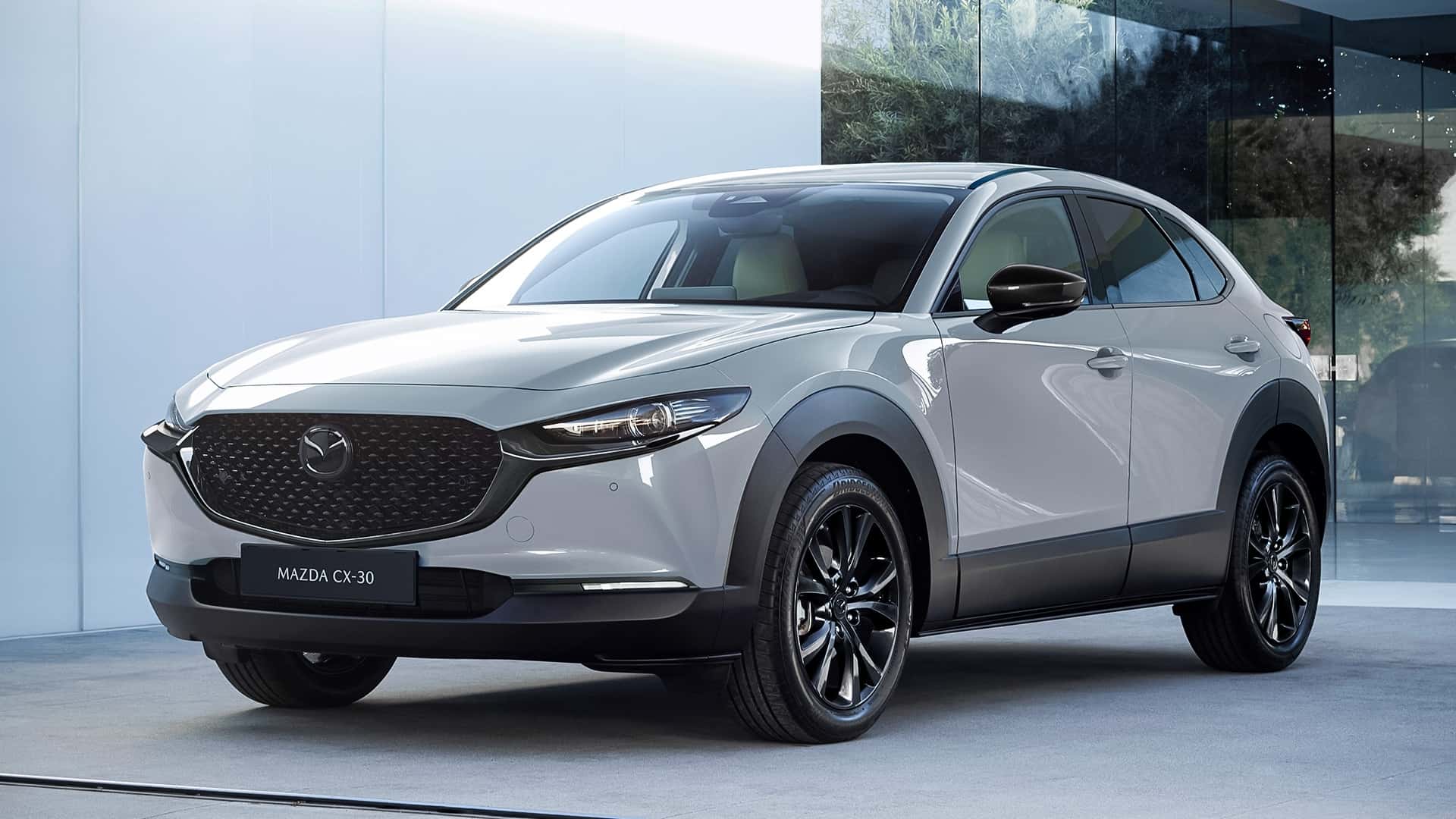
Mazda is updating its best-selling CX-30 for 2027, focusing on powertrain efficiency and interior refinement. According to local media reports, the update introduces more efficient micro-hybrid e-Skyactiv engines, enhanced safety features, and upgraded interior materials to maintain the SUV’s competitive edge in the compact crossover market.
- Powertrain Shift: Reorganization of the engine lineup to prioritize e-Skyactiv and more efficient micro-hybrid versions.
- Interior Upgrades: Introduction of new finishes and stain-resistant interior materials.
- Safety and Equipment: Expanded safety features and increased standard equipment.
How Mazda is reorganizing its powertrain strategy
A central component of the 2027 update is a strategic shift in the CX-30’s engine offerings. According to local media reports, Mazda is reorganizing the model’s lineup to emphasize e-Skyactiv engines and more efficient micro-hybrid versions. This move aligns the best-selling SUV with broader industry trends toward electrification and fuel efficiency without fully transitioning to battery-electric platforms.
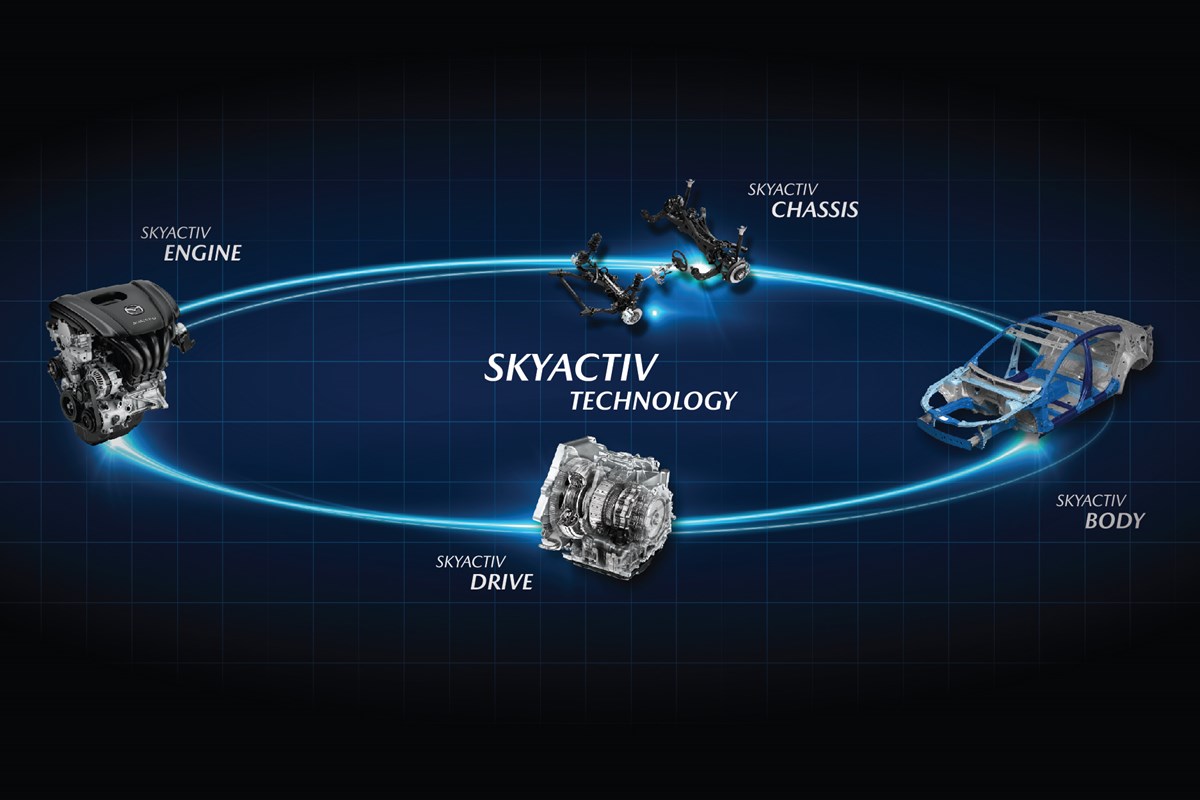
By prioritizing these micro-hybrid systems, Mazda aims to lower operational costs for consumers and meet tightening efficiency standards while preserving the driving dynamics associated with the Skyactiv brand.
What changes are coming to the interior and safety systems?
Beyond the engine, Mazda is targeting consumer pain points regarding durability and safety. Reports indicate that the 2027 CX-30 will feature an interior designed specifically to resist stains, a practical upgrade aimed at families and high-use drivers. This is paired with new finishes and a general increase in standard equipment to boost the vehicle’s perceived value.
Safety remains a primary pillar of the update. According to local media reports, the new model includes improved safety systems and updated comfort features, ensuring the vehicle remains competitive against other high-volume SUVs in its class.
Maintaining the “best-seller” market position
The CX-30 is currently positioned as a “superventas” or best-seller for the brand. In the automotive industry, updating a high-volume model through iterative improvements—rather than a complete redesign—allows a manufacturer to sustain sales momentum while minimizing the R&D costs associated with a brand-new platform.
By focusing on the three pillars of efficiency, durability, and safety, Mazda is attempting to protect the CX-30’s market share. The integration of more efficient hybrid options and a more resilient cabin addresses the primary demands of the modern compact SUV buyer, securing the model’s role as a key revenue driver for the company.
