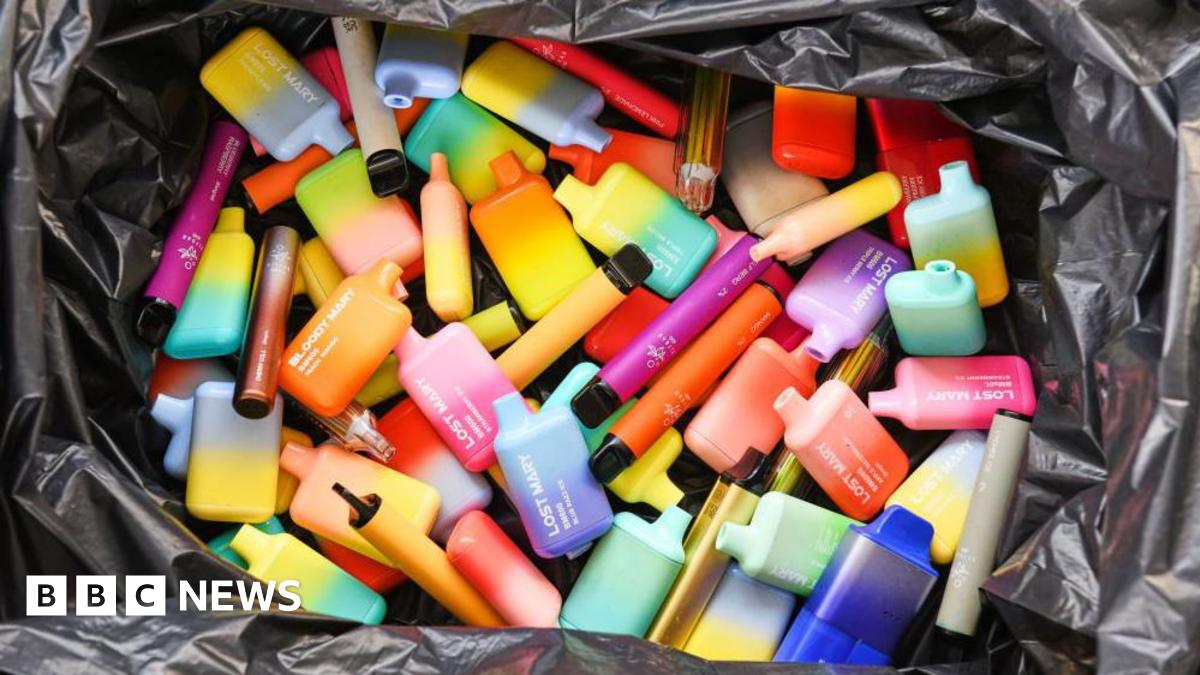
Put a £5 Deposit on Vapes to Stop Littering, Say Waste Companies – BBC
The proliferation of disposable electronic cigarettes has created an environmental and safety crisis that is now prompting waste management industry leaders to call for drastic intervention. In a move aimed at curbing the tide of plastic and chemical pollution, waste companies are suggesting that the government put a £5 deposit on vapes to stop littering, say waste companies – BBC. This proposed deposit return scheme (DRS) seeks to transform the disposable vape from a throwaway convenience into a returnable asset, incentivizing consumers to ensure these complex devices end up in specialized recycling streams rather than on street corners or in general household waste.
The urgency of this proposal comes as recycling centers report a surge in hazardous incidents. The intersection of lithium-ion batteries, plastic casings, and chemical residues has turned the disposable vape into a significant liability for waste infrastructure. As the industry grapples with what some describe as a “vapeocalypse,” the conversation is shifting from simple littering to a broader discussion on public safety, regulatory failure, and the necessity of a circular economy for nicotine delivery systems.
The Proposal: How a £5 Vape Deposit Would Work
The core of the proposal championed by waste management firms is the implementation of a Deposit Return Scheme (DRS). While similar systems have been used for glass bottles and aluminum cans in various jurisdictions, the scale of the proposed £5 deposit for vapes is significantly higher, reflecting both the toxicity of the waste and the high volume of littering.
Under such a system, the cost of a disposable vape would increase by £5 at the point of purchase. This amount would not be a tax, but a refundable deposit. Once the device is exhausted, the consumer would return the unit to a designated collection point—such as a retail store or a specialized kiosk—to reclaim their money. This financial incentive is designed to break the habit of “dispose-and-forget,” ensuring that the device is captured by a system capable of handling its hazardous components.
Why a High Deposit is Deemed Necessary
Industry experts argue that a nominal deposit (such as 10 or 20 pence) would be insufficient to change consumer behavior for a product that is often used by younger demographics and discarded impulsively. A £5 incentive creates a tangible value for the waste, making it “too expensive to throw away.”
- Behavioral Shift: Moves the perception of the vape from “trash” to “currency.”
- Collection Efficiency: Creates a concentrated stream of waste, reducing the need for expensive manual sorting in general waste plants.
- Producer Responsibility: Shifts the burden of waste management from the taxpayer and local councils to the manufacturers, and consumers.
The ‘Vapeocalypse’: Why Recycling Plants are Under Attack
The push for a deposit scheme is not merely about aesthetics or street cleanliness; it is a response to a growing danger within the waste management sector. Reports from across the industry indicate that disposable vapes are “burning through” recycling plants, creating a volatile environment for workers and infrastructure.
The primary culprit is the lithium-ion battery contained within every disposable device. When these vapes are thrown into standard recycling bins or general waste, they are subjected to immense pressure in garbage trucks and sorting facilities. When a lithium battery is crushed or punctured, it can undergo a process known as thermal runaway.
The combination of high-energy batteries and flammable e-liquid residues creates a “perfect storm” for industrial fires, leading to millions of pounds in damage and risking the lives of waste facility staff.
The Anatomy of a Vape Waste Hazard
To understand why waste companies are so concerned, one must look at the composition of a standard disposable vape. These devices are not simple pieces of plastic; they are complex electronic waste (e-waste) containing:
| Component | Material | Environmental/Safety Risk |
|---|---|---|
| Battery | Lithium-ion | Fire risk upon compression; heavy metal leaching. |
| Casing | Hard Plastic/Metal | Non-biodegradable; contributes to microplastic pollution. |
| E-liquid | Nicotine/Propylene Glycol | Toxic to aquatic life; hazardous if leaked into soil. |
| Wicking/Coil | Cotton/Metal | Contaminates plastic recycling streams. |
Regulatory Gaps and the Rise of Illegal Devices
While governments have attempted to curb the vape epidemic through various bans and restrictions, the effectiveness of these measures is being called into question. Recent data suggests a complex relationship between regulation and consumer behavior. While some reports indicate that vape use has seen a sharp drop following the first year of certain bans, campaigners warn that the problem has not disappeared—it has simply evolved.
A significant concern is the emergence of a thriving black market. It has been reported that a third of vape smokers are now using illegal devices. These products often bypass safety standards and environmental regulations, making them even more dangerous than legal alternatives.
The Danger of the Unregulated Market
Illegal vapes present a dual threat. First, they lack the quality control of regulated products, increasing the risk of battery explosions or the inclusion of harmful chemicals. Second, because they are sold through unofficial channels, they are almost never returned for recycling, exacerbating the littering problem.
The persistence of these devices suggests that bans alone are an insufficient tool. When a product remains in high demand, a ban often creates a vacuum filled by illicit traders. This reinforces the argument for a deposit scheme: by creating a financial incentive for return, the system can capture waste regardless of whether the device was purchased legally or illegally.
Fire Risks and the Failure of Current Bans
The belief that restricting the sale of certain vapes would automatically reduce the risk to waste infrastructure has proven incorrect. Data from insurance sectors indicates that vape bans have failed to “douse” the fire risk in recycling centers. Here’s largely because the existing stockpile of disposable vapes continues to enter the waste stream, and the shift toward illegal devices has introduced more unstable battery chemistry into the mix.
Waste companies argue that as long as the “disposable” model exists, the risk of fire remains. Even if the volume of legal sales drops, the inherent design of the product—a permanent battery inside a disposable shell—is the fundamental flaw. Until the industry moves toward fully rechargeable or truly biodegradable alternatives, the physical danger to recycling plants persists.
Key Points on the Fire Crisis:
- Puncture Risk: Mechanical sorting arms in recycling plants often puncture batteries, sparking immediate fires.
- Contamination: E-liquid leaks can contaminate other recyclable materials, rendering entire batches of plastic or paper useless.
- Emergency Response: Lithium fires are notoriously hard to extinguish, requiring specialized equipment and causing prolonged facility shutdowns.
Comparing the Vape Deposit to Other Return Schemes
To evaluate the viability of the proposal to put a £5 deposit on vapes to stop littering, say waste companies – BBC, it is helpful to look at existing models of circular economy legislation. Most countries that have successfully reduced litter have done so through a combination of legislation and financial incentives.
In many European nations, the “Bottle Deposit” system has drastically reduced plastic pollution. However, vapes are a different category of waste. A plastic bottle is chemically inert; a vape is a hazardous electronic device. This is why waste companies are calling for a much higher deposit. A £5 fee is not just about preventing litter; it is about funding the specialized, high-cost processing required to safely extract lithium and cobalt from the devices.
Pros and Cons of a High-Value Deposit Scheme
- Immediate reduction in street litter.
- Higher purity of e-waste streams.
- Funding for recycling infrastructure.
- Discouragement of impulse buying.
- Initial consumer backlash over price.
- Logistical burden on small retailers.
- Risk of “fraudulent” returns (empty shells).
- Potential to drive more users to the black market.
The Path Forward: Beyond the Deposit
While the £5 deposit is a powerful short-term tool for waste recovery, long-term sustainability requires a shift in product design. The particularly concept of a “disposable” lithium battery is an environmental anomaly. Most electronic devices with batteries are designed to be recharged thousands of times; the disposable vape is the only mass-market product that treats a battery as a single-use item.
Industry analysts suggest that the deposit scheme should be a transitional measure. The ultimate goal should be a total shift toward:
- Universal Charging Standards: Forcing all vapes to use standardized, replaceable batteries.
- Biodegradable Components: Developing casings that do not persist in the environment for centuries.
- Extended Producer Responsibility (EPR): Making the companies that profit from these devices legally and financially responsible for their entire lifecycle.
For more information on how electronic waste is managed, you may find a related explainer on e-waste regulations helpful.
Frequently Asked Questions
Why is the proposed vape deposit so high (£5)?
Waste companies argue that a small deposit would not be enough to change the behavior of users who treat vapes as disposable. A £5 deposit provides a significant financial incentive to return the device and reflects the high cost of safely recycling hazardous lithium batteries and toxic chemicals.
Do vape bans actually work to reduce litter?
While some data shows a drop in legal vape use following bans, the effectiveness is undermined by the rise of illegal devices. Because illegal vapes are sold outside of regulated channels, they are more likely to be littered and often possess lower safety standards, increasing the risk of fires in recycling plants.

Why are vapes causing fires in recycling plants?
Disposable vapes contain lithium-ion batteries. When these are thrown into general waste, they are often crushed by machinery or garbage trucks. Puncturing a lithium battery can cause a short circuit and thermal runaway, leading to intense fires that are difficult to extinguish.
What happens to the vapes once they are returned?
Under a deposit return scheme, vapes would be sent to specialized e-waste facilities. Here, they can be dismantled to recover valuable metals like cobalt and lithium, and the plastic components can be processed separately from the toxic e-liquid residues.
Will a deposit scheme make vapes more expensive?
The price at the checkout would increase by the amount of the deposit. However, this is a refundable cost. If the consumer returns the device, the net cost of the vape remains the same. If they litter the device, they effectively pay a £5 penalty.
The tension between convenience and sustainability has reached a breaking point with the disposable vape. As waste companies continue to warn of the “vapeocalypse” and the persistent risk of industrial fires, the call to put a £5 deposit on vapes to stop littering, say waste companies – BBC represents a pragmatic attempt to force a circular economy onto a product designed for waste. Whether the government adopts this measure or opts for stricter bans, the current trajectory of disposable e-cigarette waste is unsustainable for both the environment and the infrastructure tasked with cleaning it up.
