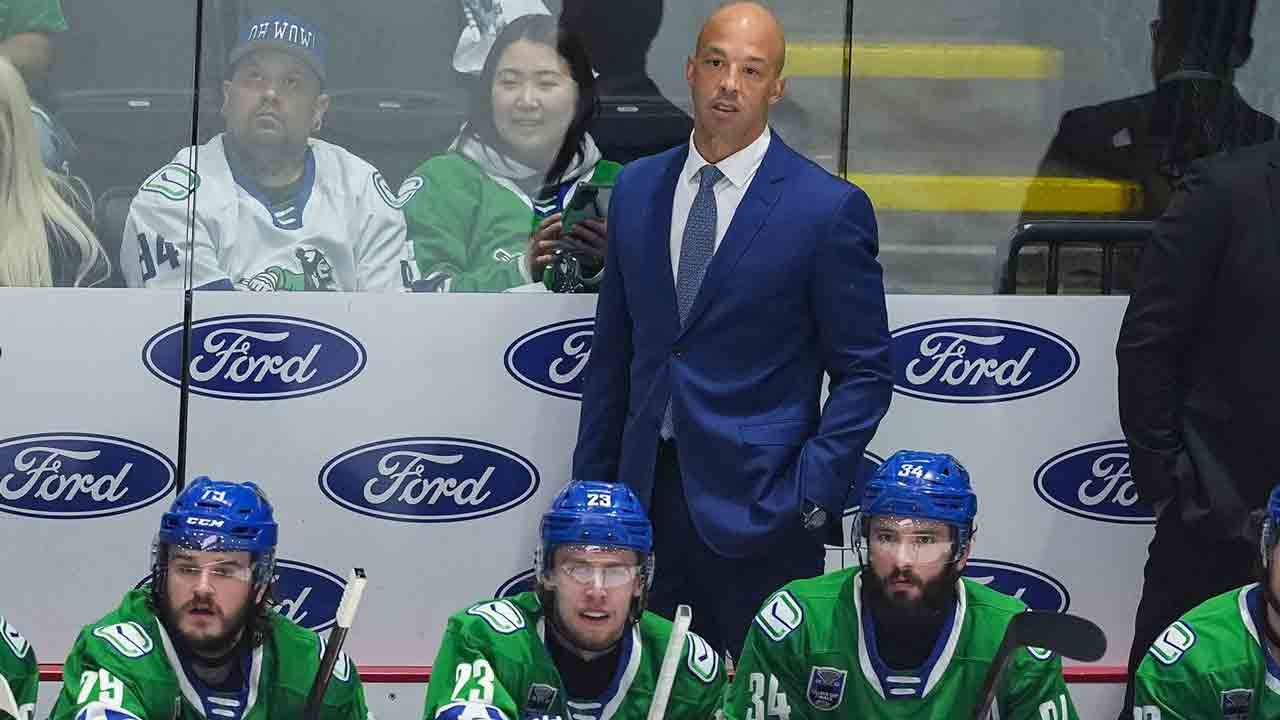
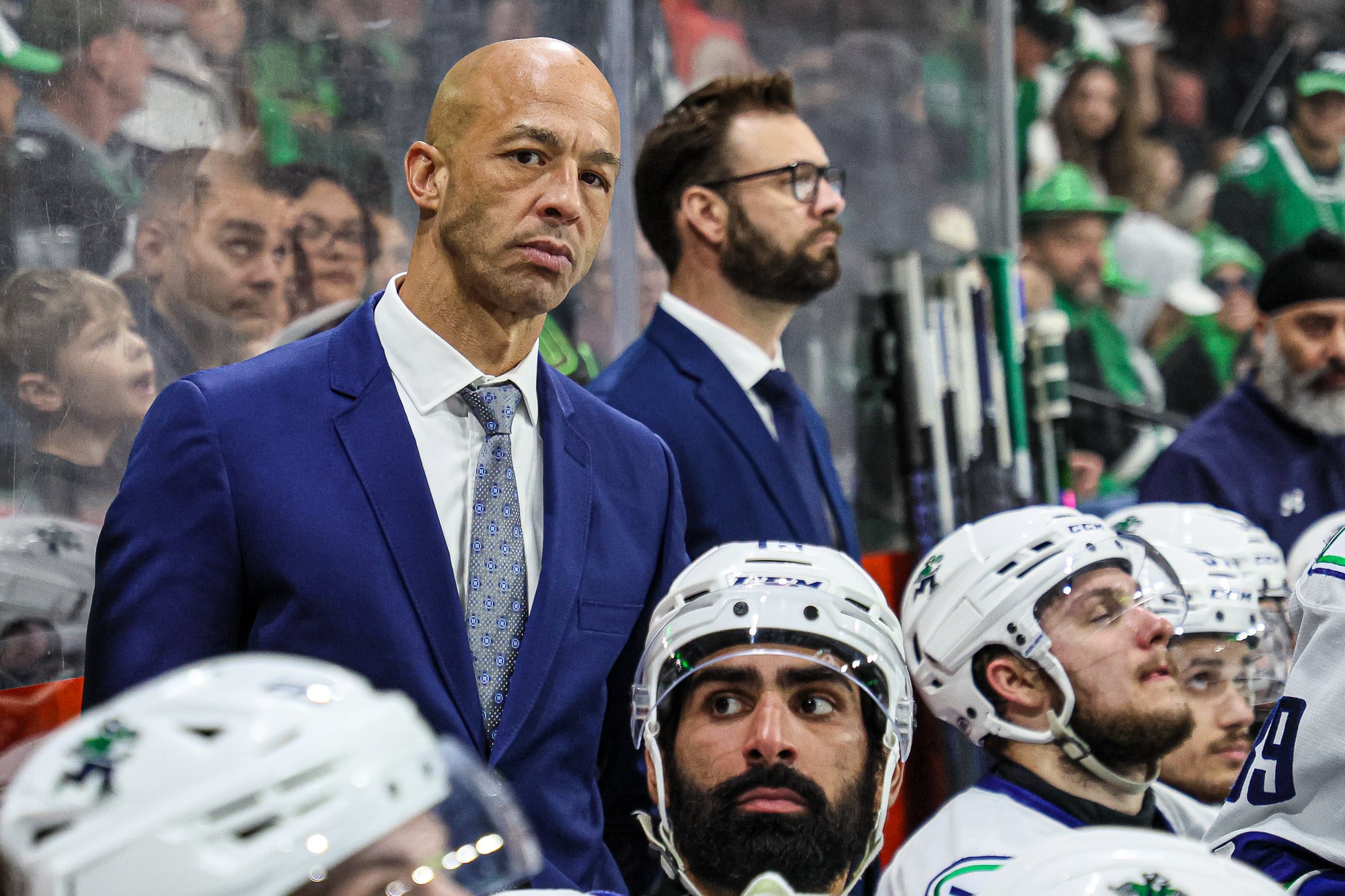
Vancouver Canucks Name Manny Malhotra as 23rd Head Coach: A New Era Begins for BC’s NHL Franchise
The Vancouver Canucks have made a bold and unexpected move in their ongoing search for stability, announcing Manny Malhotra as their new head coach. The former NHL assistant and current assistant coach of the Edmonton Oilers will take over one of the league’s most storied franchises, stepping into a role that carries immense pressure given the Canucks’ recent struggles and the high expectations of their passionate fanbase.
Malhotra’s hiring marks the 23rd distinct head coaching tenure in Canucks history—a franchise that has seen more than its share of changes behind the bench in recent years. His appointment, which comes after a prolonged search and multiple high-profile candidates, signals a potential shift in the team’s long-term strategy. But who is Malhotra, and what does his arrival mean for the Canucks’ future? This is the full story behind the announcement, the man at the helm, and the challenges—and opportunities—awaiting him in Vancouver.
— ### Who Is Manny Malhotra, and What Does His NHL Resume Look Like? Manny Malhotra is not a stranger to the NHL’s elite coaching circles. Before joining the Oilers as an assistant in 2022, he spent four seasons as an assistant coach with the Toronto Maple Leafs, where he played a key role in developing young talent under Mike Babcock. His tenure in Toronto coincided with the Leafs’ deep playoff runs in 2019 and 2020, earning him a reputation as a player developer and defensive systems specialist.
Malhotra’s NHL coaching career began in 2018 with the New York Islanders, where he worked under Barry Trotz and later Doug Armstrong. His ability to bridge the gap between European and North American hockey styles—having played professionally in Europe before transitioning to coaching—has been a standout trait. He holds a Master’s degree in Sport Psychology from the University of Toronto, adding another layer to his analytical approach.
Key credentials:
NHL assistant coaching experience: Toronto Maple Leafs (2018–2022), New York Islanders (2018–2019)
Player development focus: Known for working with forwards and defensemen on puck possession and defensive structure
International experience: Coached with Canada’s National Team Development Program (NTDP) and represented Canada at the 2018 World Junior Championship as an assistant
Defensive systems expertise: Advocated for a more disciplined, structured defensive game—an area where the Canucks have historically struggled
What sets Malhotra apart from other candidates is his proven track record in assistant roles rather than as a head coach. This raises questions: Can he translate his success in a supporting role into leading a team? And how will the Canucks’ front office—led by GM Hugh Jessiman—support him in his first NHL head coaching job?
— ### The Canucks’ Coaching Search: How Did We Get Here? The Canucks’ decision to hire Malhotra comes after a nearly year-long search that began in earnest following the firing of Bruce Boudreau in January 2023. Boudreau’s departure marked the end of a five-season tenure that saw the team miss the playoffs in three of those seasons, culminating in a 30-win campaign in 2022–23—the fewest in franchise history.
Before Malhotra, the Canucks interviewed a who’s who of NHL coaching talent, including:
Derek Lalonde (former Canucks assistant, now with the New York Rangers)
Rick Bowness (former Canucks assistant, now with the Arizona Coyotes)
Dale Hunter (former Canucks head coach, 1995–2001)
Todd McLellan (former Canucks head coach, 2017–2020)
Jim Montgomery (former Canucks assistant, now with the Detroit Red Wings)
The prolonged search was met with growing frustration from fans and media, who questioned whether the front office was prioritizing process over results. The hiring of an assistant coach with no head-coaching experience—albeit one with a strong NHL resume—could be seen as a gamble or a calculated long-term investment.
Why Malhotra? Sources close to the team have suggested that Malhotra’s defensive philosophy, player development skills, and cultural fit were decisive factors. The Canucks have long been criticized for their offensive firepower without defensive structure, and Malhotra’s background aligns with a potential shift toward a more balanced, system-driven approach.
— ### What Does This Mean for the Canucks’ Future? Malhotra’s arrival comes at a critical juncture for the Canucks. The team is young, talented, and hungry, but also directionless. Key questions remain:
Can he instill discipline in a roster that has struggled with consistency? The Canucks’ top players—Quinn Hughes, Elias Pettersson, and Brock Boeser—are elite, but the team’s lack of defensive structure and goaltending depth have been glaring weaknesses.
Will the front office give him the flexibility to build around his system? GM Hugh Jessiman has been methodical but cautious in the draft and free agency, and Malhotra’s success may hinge on whether the organization trusts his vision.
How will he handle the media and fan expectations in Vancouver? The Canucks’ fanbase is passionate but often critical, and Malhotra—who has spent most of his career in the shadows—will need to quickly establish credibility.
What kind of defensive system will he implement? Rumors suggest he may favor a 200-foot game approach**, similar to what he helped develop in Toronto, where the Maple Leafs excelled in puck possession and defensive zone coverage.
Comparisons to past Canucks coaches:
Coach
Tenure
Record
Key Traits
Legacy
Bruce Boudreau
2018–2023
204–196–36 (46.5% win%)
High-octane offense, player-friendly culture
Missed playoffs 3x, franchise-low 30 wins in 2022–23
Todd McLellan
2017–2020
148–127–39 (53.5%)
Defensive-minded, structured power play
Playoff runs in 2018, 2019; fired after 2020 season
Dale Hunter
1995–2001
293–216–58 (57.3%)
Tough, disciplined, defensive specialist
Stanley Cup Final 2011 (as coach), but also playoff struggles
Malhotra’s hiring suggests the Canucks are leaning into a more structured, defensive-minded identity—a stark contrast to Boudreau’s free-flowing, offensive-heavy approach. If successful, it could revitalize the franchise’s culture and set the stage for a playoff run in 2024–25 or beyond.
— ### Reactions: What Are Fans, Experts, and Analysts Saying? The announcement has sparked a mixed but cautiously optimistic response from the hockey community.
Fan reactions:
Hopeful but skeptical: Many Canucks fans are open to a change in coaching philosophy, especially after years of underperformance. However, the lack of head-coaching experience has some wondering if this is a risk worth taking.
Defensive-minded players welcome: Players like J.T. Miller and Nils Hoglander, who thrive in structured systems, have expressed support for Malhotra’s approach.
Social media debates: Hashtags like #CanucksCoaching and #MalhotraForCanucks have trended, with fans dissecting his potential fit in Vancouver.
Expert and analyst takes:
— TSN’s Chris Johnston:
“Malhotra is a smart hire for a team that needs defensive structure. The question is whether the Canucks’ roster can adapt to his system—or if he’ll need time to mold it.”
— The Athletic’s Shane Puhl:
“This is a bold move that could pay off if Malhotra gets the support he needs. But if the front office second-guesses him, it’ll be a disaster.”
EMERGENCY SHOW: Canucks name Manny Malhotra head coach
— Former Canucks defenseman Alex Edler:
“I’ve worked with Manny before—he’s great with defensemen. If he can get the team to buy into his system, we could see a big turnaround.”
One recurring theme in the reactions is the importance of the front office’s commitment. Malhotra’s success will depend heavily on whether GM Hugh Jessiman and his staff give him the latitude to build around his philosophy—or if they interfere with personnel decisions, as has happened in past coaching changes.
— ### What Challenges Lie Ahead for Malhotra? No coaching hire comes without hurdles, and Malhotra’s path to success in Vancouver will be steep and unpredictable. Key challenges include:
Proving himself quickly: The Canucks are not a rebuilding team—they have elite talent but need consistency and playoff results. If the 2024–25 season starts poorly, pressure will mount.
Balancing offensive firepower with defensive structure: The Canucks’ top players thrive in high-scoring, fast-paced systems. Malhotra’s defensive approach may clash with their instincts at first.
Goaltending stability: The Canucks have no proven No. 1 goalie. If Malhotra’s system exposes weaknesses in net, it could derail his early tenure.
Media and fan expectations: Vancouver fans are known for their passion—and their impatience. Malhotra will need to quickly establish trust with both the locker room and the public.
Front-office alignment: If GM Hugh Jessiman and his staff don’t fully endorse Malhotra’s vision, it could lead to conflicts and second-guessing.
Historically, the Canucks have struggled with coaching transitions. The last two head coaches—Boudreau and McLellan—both left under clouds of frustration, either due to lack of results or philosophical clashes. Malhotra’s ability to navigate this culture will be critical.
Manny Malhotra Vancouver Canucks press conference 2024
— ### Looking Ahead: What’s Next for the Canucks? With Malhotra officially named head coach, the focus now shifts to preparation for the 2024–25 season. Key milestones to watch:
Offseason roster moves: Will the Canucks prioritize defensive depth, goaltending, or offensive firepower? Malhotra’s system may influence free agency and draft strategy.
Training camp and preseason: How quickly can Malhotra implement his defensive structure? Early preseason scrimmages will offer clues.
2024 NHL Draft (June 2024): The Canucks have high draft capital. Will they target defensemen or forwards to fit Malhotra’s system?
First 20 games of the season: The 2024–25 campaign will be a litmus test. If the Canucks show improved defensive play and structure, Malhotra will gain credibility.
Playoff push in 2025 or 2026: Long-term success will depend on consistency, roster development, and front-office support.
The Canucks’ coaching carousel has been one of the most turbulent in the NHL over the past decade. Malhotra’s hire represents a gamble—but also an opportunity. If he can unify the locker room, implement his system, and earn the trust of fans, he could revive a franchise in search of identity. If not, the Canucks may find themselves back in coaching-search mode sooner than expected.
— ### Frequently Asked Questions About the Canucks’ New Head CoachQ: Why did the Canucks hire Manny Malhotra instead of someone with more head-coaching experience?
A: Malhotra’s defensive systems expertise, player development background, and cultural fit were likely decisive factors. The Canucks may have seen him as a long-term investment rather than a short-term fix.
Q: How does Malhotra’s coaching style compare to Bruce Boudreau’s?
A: Boudreau’s approach was offensive, fast-paced, and player-friendly, while Malhotra is expected to focus on defensive structure, puck possession, and a more disciplined 200-foot game. The shift could be jarring for players used to Boudreau’s style.
Q: What kind of defensive system might Malhotra implement?
A: Early reports suggest he favors a structured, possession-based defense**—similar to what he helped develop in Toronto—with an emphasis on defensive zone coverage, forechecking, and defensive transitions.
Q: Will the Canucks make roster changes to fit Malhotra’s system?
A: Likely. The front office may prioritize defensemen, goaltending, or players who excel in structured systems during free agency and the draft.
Q: How long will it take for Malhotra to prove himself?
A: NHL coaching changes often take at least one full season to assess. Early signs—like presseason performance and October 2024 results—will be critical.
Q: Could Malhotra’s hiring lead to more coaching changes in the NHL?
A: Possibly. If he succeeds, other teams may look to assistant coaches with strong defensive backgrounds for their next head-coaching hires. If he struggles, it could reinforce the trend of teams favoring experienced head coaches.
Chloe Dubois heads the Sports desk at archypedia.news, delivering quick but rich coverage of global competition. She started her career in sports analytics, providing data insights for professional football (soccer) clubs before pivoting to full-time sports journalism. That combination of stats expertise and narrative flair informs her coverage style.
At ArchyPedia, Chloe’s team covers major leagues, international tournaments, college sports, and niche disciplines. Her summaries go beyond final scores and highlight turning points, key tactics, standout performances, and historical context where relevant.
Chloe is passionate about broadening the spotlight: she makes sure women’s sports, Paralympic events, and less-mainstream sports receive thoughtful attention. She also tracks the business side of sports—broadcast rights, sponsorship deals, and club finances—often collaborating with the Business desk to show how money shapes the games fans love.