
Beta-blockers, medications commonly prescribed to protect the heart and manage blood pressure, may hinder the brain’s natural ability to repair damage after a stroke or injury, according to research reports. The drugs can suppress the neuroplasticity and protein production required for neuronal recovery, creating a clinical trade-off between cardiovascular stability and neurological healing.
- Impact on Repair: Beta-blockers may block the signals the brain uses to repair damaged tissues.
- Mechanism: The medications can inhibit the production of essential proteins and growth factors necessary for neuroplasticity.
- Clinical Conflict: While these drugs reduce the risk of further cardiac events, they may simultaneously slow the recovery of brain function.
How Beta-blockers Affect Brain Recovery
Research indicates that the brain relies on specific chemical signals to trigger repair mechanisms following an injury. Beta-blockers work by blocking beta-adrenergic receptors, which are intended to slow the heart rate and lower blood pressure. However, according to the study authors, these same receptors play a role in the brain’s ability to reorganize itself and heal.
When these receptors are blocked, the brain may struggle to produce the proteins required to rebuild damaged neural pathways. This process, known as neuroplasticity, is the primary way the brain recovers lost functions after a neurological event. The research suggests that the “silent” nature of this interference means patients and clinicians might not immediately realize the medication is slowing the recovery process.
The Trade-off Between Heart and Brain Health
Clinicians frequently prescribe beta-blockers to patients who have suffered a heart attack or those living with chronic hypertension to prevent future cardiac failure. The conflict arises when a patient requires both heart protection and neurological rehabilitation.
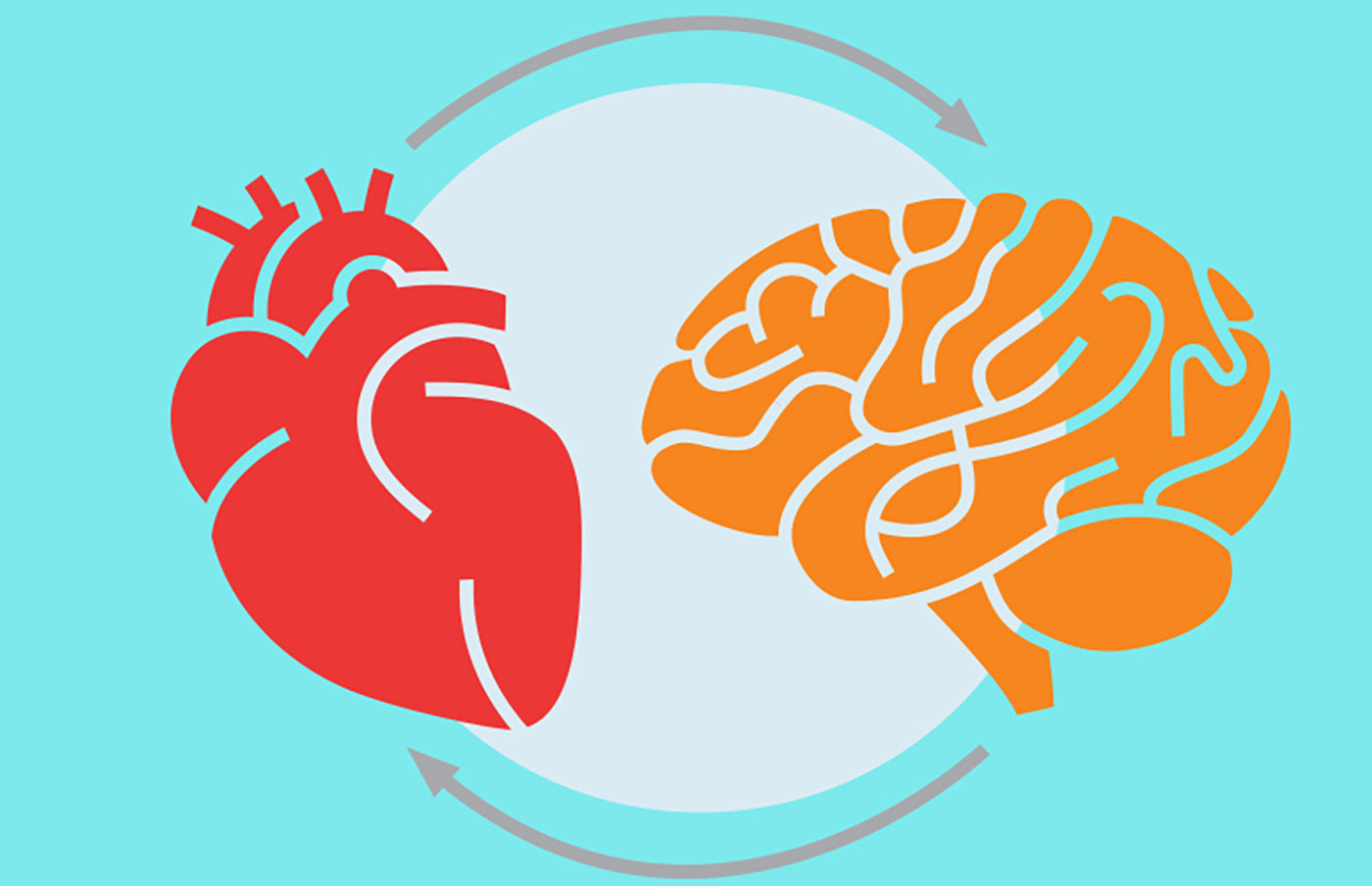
According to the research reports, the benefit of preventing another heart attack must be weighed against the potential loss of brain repair capacity. This creates a complex management scenario where the drug protecting the patient’s life may be limiting their quality of life by impeding the recovery of motor or cognitive functions.
Guidelines for Medication Management
Because of the critical role beta-blockers play in preventing heart failure and death, experts warn against unilateral changes to treatment. The research emphasizes that the risks of abruptly stopping these medications—such as rebound hypertension or acute cardiac events—can far outweigh the potential benefits to brain repair.
Patients must not stop or alter their dosage of heart medication without a direct consultation and prescription change from their treating physician.
According to medical guidance cited in the research
Medical professionals are encouraged to evaluate the specific needs of the patient, balancing the urgency of cardiovascular protection against the goals of neurological rehabilitation on a case-by-case basis.
