Pakistan Reinforces Commitment to Combat Desertification and Drought, Emphasizes Ecosystem Protection
Pakistan has reaffirmed its commitment to combating desertification and drought, highlighting the critical need to protect the country’s natural ecosystems amid escalating environmental challenges. The pledge, announced by senior government officials, comes as part of broader global efforts to address land degradation and climate-related crises. The statement underscores Pakistan’s alignment with international frameworks such as the United Nations Convention to Combat Desertification (UNCCD) and the Sustainable Development Goals (SDGs), while emphasizing the urgency of safeguarding arid and semi-arid regions.
What Happened and Why It Matters
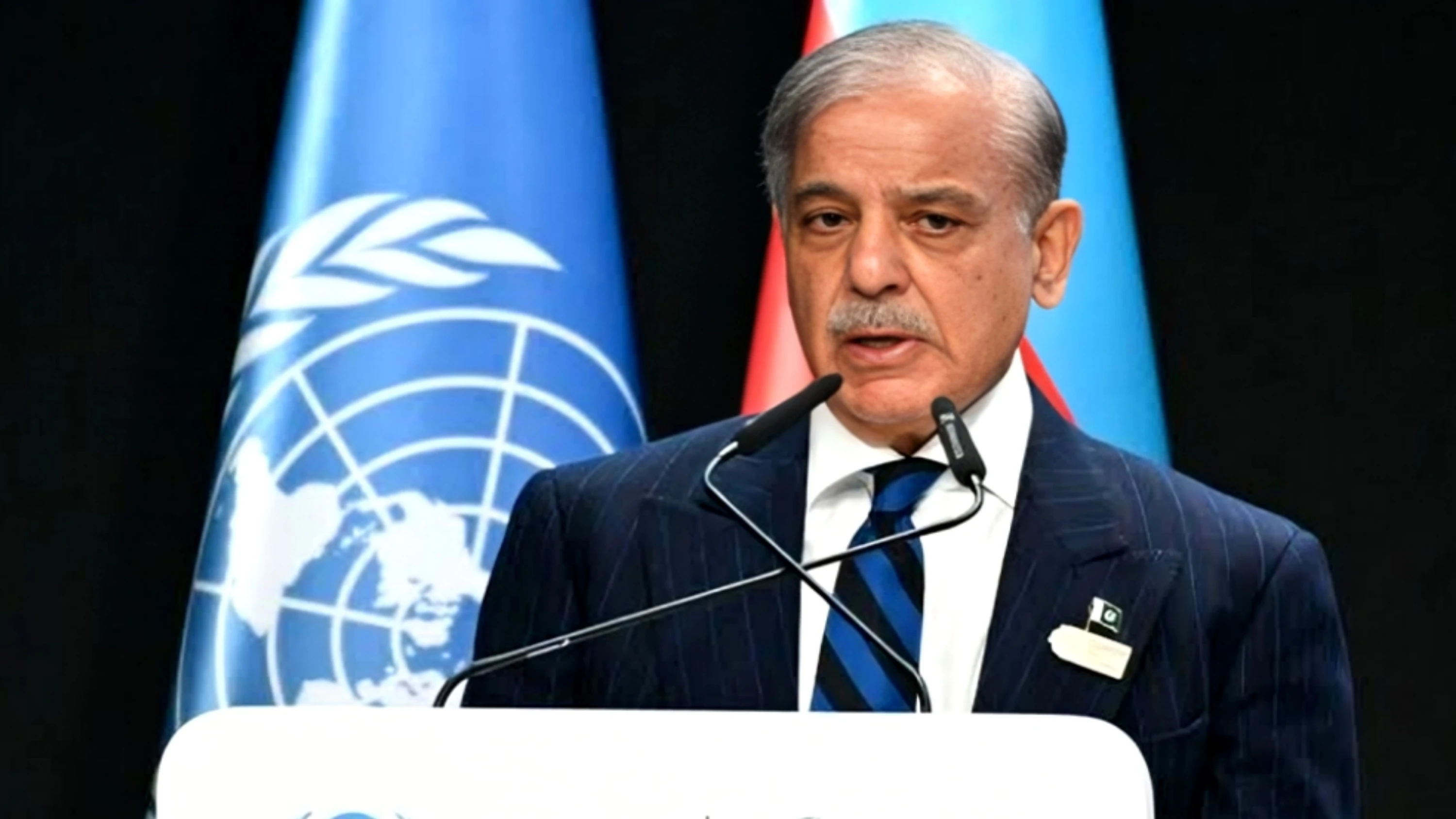
In a recent address, Pakistan’s President and Prime Minister reiterated the nation’s dedication to curbing desertification and mitigating the impacts of drought, citing the growing threat to agriculture, water security, and biodiversity. The announcement follows a series of environmental assessments highlighting the rapid degradation of land in key regions, including the Indus River basin and the Thar Desert. According to the Pakistan Environmental Protection Agency (EPA), approximately 30% of the country’s land is classified as degraded, with climate change exacerbating soil erosion and water scarcity.

The decision to strengthen anti-desertification measures aligns with the 2026 Desertification and Drought Day, a global observance organized by the International Union for Conservation of Nature (IUCN). The IUCN has long emphasized the role of rangelands and pastoralist communities in maintaining ecological balance, a point echoed by Pakistani officials. “Protecting these ecosystems is not just an environmental imperative but a socio-economic necessity,” said a senior government advisor, citing the reliance of rural populations on livestock and agriculture.
Desertification, defined as the degradation of land in arid, semi-arid, and dry sub-humid areas, poses a significant risk to Pakistan’s food production and water resources. The country’s dependence on monsoon rains and glacial melt from the Himalayas makes it particularly vulnerable to prolonged droughts. Recent studies by the Pakistan Meteorological Department (PMD) indicate a 15% decline in annual rainfall in certain regions over the past decade, compounding the challenges of land degradation.
Key Stakeholders and Their Roles
The initiative involves multiple stakeholders, including federal and provincial governments, international organizations, and local communities. The Ministry of Climate Change has taken the lead in coordinating efforts, collaborating with agencies such as the World Bank and the Food and Agriculture Organization (FAO). These partnerships aim to secure funding for reforestation projects, sustainable farming practices, and water conservation technologies.
Local communities, particularly those in drought-prone areas, are also central to the strategy. Pastoralist groups, who manage vast rangelands, have been engaged in dialogue to integrate traditional knowledge with modern conservation techniques. “Rangelands are the backbone of our livelihoods,” said a representative from a tribal council in Balochistan. “Protecting them ensures the survival of both our culture and our environment.”
International bodies have praised Pakistan’s renewed focus on land restoration. The IUCN’s 2026 Desertification and Drought Day event highlighted the importance of such efforts, with a report noting that Pakistan’s initiatives could serve as a model for other arid regions. “The country’s commitment reflects a growing recognition that land health is intrinsically linked to human well-being,” said an IUCN spokesperson.
Historical Context and Previous Efforts
Pakistan’s struggle against desertification is not new. Since the 1980s, the government has implemented various programs to combat land degradation, including the National Conservation Strategy (NCS) and the Trees for Peace initiative. However, these efforts have faced challenges such as insufficient funding, inadequate enforcement, and the impact of climate change. The current commitment seeks to address these gaps by adopting a more holistic and collaborative approach.

A 2022 report by the Pakistan Sustainable Development Policy Institute (SDPI) noted that while past projects achieved some success, they often lacked long-term planning and community engagement. “The new strategy must prioritize sustainability and adaptability,” the report stated. “This requires not only financial investment but also institutional capacity-building.”
The government has also drawn lessons from regional and global experiences. For example, Kenya’s 15 Billion Tree Plan, which aims to restore degraded land, has been cited as a potential blueprint for Pakistan’s reforestation efforts. Similarly, the country has explored partnerships with the United Nations Development Programme (UNDP) to leverage expertise in climate resilience.
Challenges and Opportunities
Despite the renewed commitment, Pakistan faces significant hurdles in implementing its anti-desertification agenda. One major challenge is the competing demands for land use, including urban expansion, industrial development, and agriculture. The country’s rapidly growing population has intensified pressure on natural resources, making it difficult to balance conservation with economic growth.
Another obstacle is the lack of reliable data on land degradation. While recent satellite imagery and ground surveys have provided some insights, experts argue that more comprehensive monitoring systems are needed. “Without accurate data, it’s hard to measure progress or allocate resources effectively,” said a researcher at the Pakistan Agricultural Research Council (PARC).
However, the initiative
