
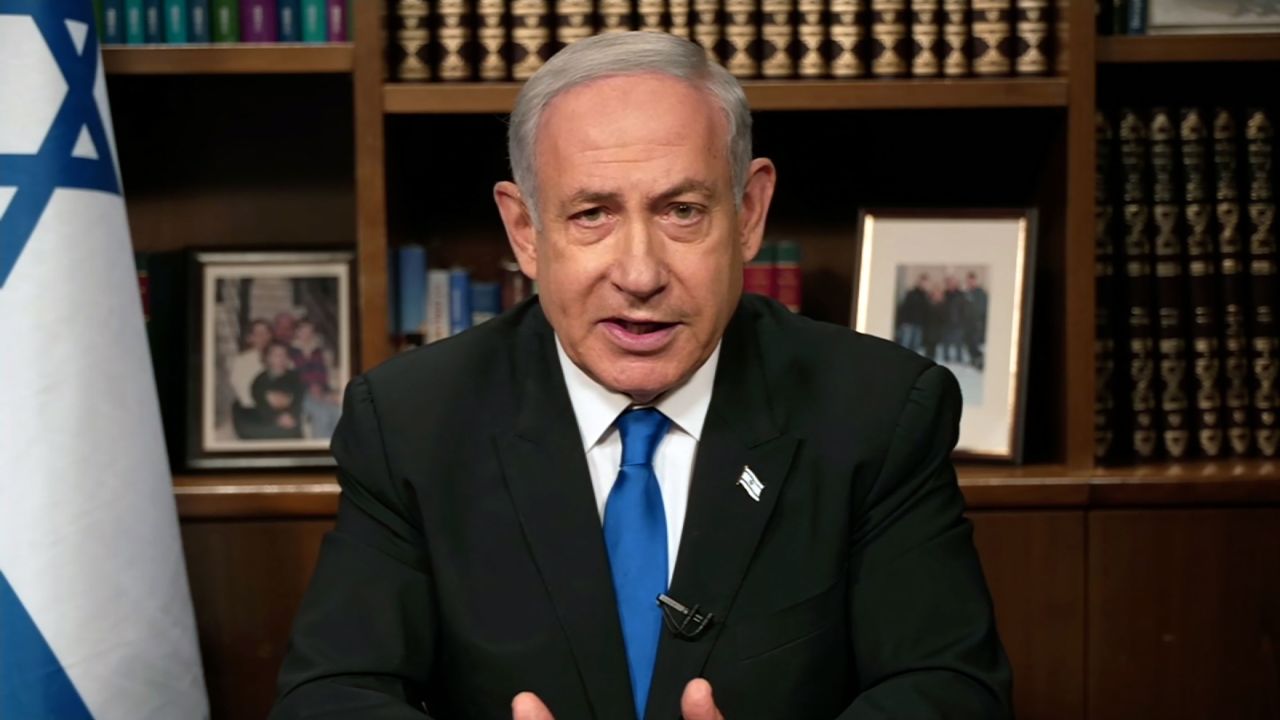
The U.S.-Iran agreement announced this week has left Israel isolated in its regional military strategy, with Prime Minister Benjamin Netanyahu vowing to maintain Israeli forces in Gaza, Lebanon, and Syria “as long as necessary” amid growing diplomatic pressure.
While the deal—brokered in Geneva—marks a rare direct engagement between Washington and Tehran, Israeli officials have framed it as a betrayal, with Netanyahu’s government accusing the U.S. of abandoning its regional ally. The move has also triggered sharp reactions from Iranian hardliners, who argue the agreement leaves them exposed to Israel’s military operations without reciprocal U.S. support.
Why Israel’s Military Stance Risks Deepening the Regional Stalemate
Netanyahu’s refusal to withdraw troops from the three conflict zones reflects a broader strategic impasse. Israeli military sources, speaking on condition of anonymity, told local media that the government views the U.S.-Iran deal as a strategic retreat, one that could embolden Iranian-backed groups in Hezbollah (Lebanon), Hamas (Gaza), and Iranian Revolutionary Guard Corps (Syria) to escalate attacks.

Yet the agreement’s focus on de-escalation—rather than a full normalization—has left Israel’s regional posture vulnerable. Analysts note that while the U.S. and Iran may seek to reduce tensions, Netanyahu’s hardline stance risks prolonging conflicts that have already displaced hundreds of thousands in Gaza and Lebanon. “The abyss is yawning,” one Israeli security expert told Le Monde, warning that without a broader diplomatic solution, military engagements could spiral further.
How the U.S.-Iran Deal Reshapes Regional Alliances
The Geneva talks, which sources describe as a symbolic but limited step toward dialogue, have sent mixed signals across the Middle East. Iranian officials, including those close to the government, have privately criticized the deal as insufficient, with some factions accusing the U.S. of prioritizing economic interests over security guarantees. A senior Iranian diplomat, quoted by Le Figaro, called the agreement “a betrayal” that leaves Tehran exposed to Israeli strikes without U.S. backing.
Meanwhile, financial markets reacted swiftly to the announcement. Global oil prices dipped slightly following former President Donald Trump’s confirmation of the deal, as investors interpreted it as a potential easing of sanctions—though no concrete economic concessions were outlined. The Dow Jones Industrial Average and FTSE 100 saw modest gains, with analysts citing reduced geopolitical risk as a key factor.
What This Means for Gaza, Lebanon, and Syria
Israel’s insistence on maintaining a military presence in the three conflict zones directly contradicts the de-escalation goals of the U.S.-Iran deal. In Gaza, where Israeli forces have been engaged in a prolonged campaign against Hamas, Netanyahu’s statement signals no immediate withdrawal. Similarly, in Lebanon, where tensions with Hezbollah remain high, and in Syria, where Iranian-backed militias operate near Israeli borders, the prime minister’s rhetoric suggests a continuation of low-intensity conflicts.

Fast Facts
- U.S.-Iran Deal Location: Geneva, Switzerland (negotiations held this week).
- Israeli Military Commitment: Forces to remain in Gaza, Lebanon, and Syria “as long as necessary,” per Netanyahu.
- Iranian Reaction: Hardliners call the deal a “betrayal,” citing lack of U.S. security guarantees.
- Market Impact: Oil prices dipped; stock markets saw modest gains on reduced geopolitical risk perceptions.
- Key Figures: Benjamin Netanyahu (Israeli PM), Donald Trump (former U.S. president, confirmed deal), Iranian diplomats (unnamed sources).
International Reactions: From Geneva to Global Markets
The deal’s announcement has sparked contrasting interpretations. While European diplomats, speaking off the record, describe it as a cautious first step, Israeli officials have dismissed it as meaningless. “Trump has abandoned us,” one Netanyahu ally told France Info, arguing that the agreement fails to address Israel’s core security concerns.
In Tehran, reactions have been equally divided. Some reformist factions see the deal as an opportunity to reduce sanctions, while hardliners, including those aligned with the Islamic Revolutionary Guard Corps, have criticized it as a hollow gesture. The lack of a clear timeline for sanctions relief has left Iranian officials skeptical about long-term benefits.
A video released by the Israeli Defense Forces (IDF) on Tuesday showed Netanyahu addressing troops in the Golan Heights, reaffirming Israel’s commitment to regional security:
