
Californian is Infected with Rare Tick-Borne Illness: What to Know About the Deadly Bacteria
A person in Northern California has tested positive for an extremely rare tick-borne illness caused by a spotted fever pathogen, according to reports from the Los Angeles Times and SFGATE. This case represents the fourth known infection of this emerging disease in the region, signaling a rise in the presence of rare bacteria within local tick populations.
Who was infected and where did this happen?
A resident of Northern California has been diagnosed with a rare tick-borne disease, according to SFGATE. While the specific identity of the patient remains private, health reports indicate the infection occurred in the NorCal region. This development has drawn attention to the geographic spread of pathogens that were previously uncommon or undetected in the state.
The Los Angeles Times reports that the illness is caused by a specific type of deadly bacteria transmitted through tick bites. The case is not an isolated incident but part of a small, emerging cluster of infections. According to Men’s Journal, this individual is the fourth person to be infected by this particular emerging tick-borne disease, suggesting a pattern of transmission rather than a one-off event.
Public health officials and researchers are monitoring these cases to determine if the bacteria is becoming more prevalent in the wildlife and tick populations of California. The detection of these pathogens in the environment suggests that the risk is not limited to travelers who have visited other regions, but is a local threat.
What is the “spotted fever” pathogen detected in California?
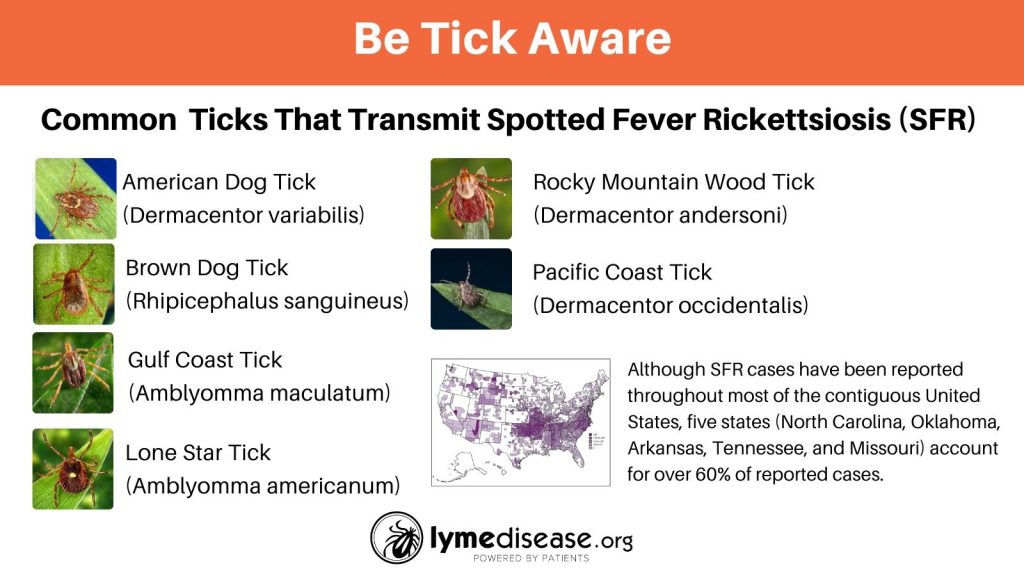
The illness is linked to a little-known spotted fever pathogen, according to LymeDisease.org. Spotted fevers are typically caused by bacteria in the Rickettsia genus. These bacteria are obligate intracellular parasites, meaning they must live inside the cells of a host to survive and replicate.
Unlike more common tick-borne illnesses such as Lyme disease, these rare spotted fever pathogens often target the lining of blood vessels, leading to vasculitis. This inflammation can restrict blood flow to vital organs, which is why the bacteria are categorized as potentially deadly if not treated promptly. The Los Angeles Times highlights the “deadly” nature of the bacteria, emphasizing that the severity of the illness can escalate quickly without medical intervention.
Key characteristics of this pathogen include:
- Transmission: Spread via the saliva of an infected tick during a blood meal.
- Classification: Part of the spotted fever group (SFG) rickettsioses.
- Rarity: Described by People.com and SFGATE as “extremely rare” in the California population.
How many people have been affected by this emerging disease?
While the disease remains rare, the number of confirmed cases is climbing. Men’s Journal reports that this most recent Californian is the fourth person to be infected by this emerging disease. This count indicates that the pathogen is successfully jumping from tick vectors to human hosts in a consistent, albeit infrequent, manner.
The reporting across different outlets shows a slight variation in focus. While SFGATE emphasizes the regional impact in Northern California, Men’s Journal focuses on the cumulative number of infections to highlight the “emerging” nature of the threat. This suggests that while the total number of cases is low, the trend is upward.
| Source | Focus of Report | Key Data Point |
|---|---|---|
| Men’s Journal | Case count and emergence | Fourth person infected |
| SFGATE | Regional location | Infection in NorCal |
| LymeDisease.org | Pathogen detection | Pathogen found in CA ticks |
| Los Angeles Times | Bacterial danger | Deadly nature of bacteria |
What are the symptoms of this rare tick-borne illness?
Symptoms of spotted fever pathogens generally mirror those of other rickettsial diseases, though they can vary in intensity. According to general medical data regarding spotted fever pathogens, the onset is often sudden and flu-like.
Common indicators include:
- High Fever: A sudden spike in body temperature is typically the first sign.
- Severe Headache: Intense cranial pain often accompanies the fever.
- Muscle Aches: General myalgia and joint pain.
- The “Spot” Rash: A characteristic rash often appears, though not in every case. This rash typically begins on the wrists and ankles before spreading to the trunk.
The Los Angeles Times warns that the bacteria can be deadly. If the infection reaches the bloodstream and causes widespread inflammation of the blood vessels, it can lead to organ failure, neurological impairment, or death. Because the symptoms mimic the flu or other common viral infections, the disease is frequently misdiagnosed in its early stages, which increases the risk of severe outcomes.
For those seeking more information on general tick risks, a related explainer on tick-borne symptoms may provide further guidance on distinguishing between different types of infections.
How do these bacteria spread through the environment?
The cycle of transmission begins with a tick vector. According to LymeDisease.org, this little-known spotted fever pathogen has been detected specifically in California ticks. The bacteria reside within the tick and are transmitted to a human host when the tick attaches and feeds on blood.
The spread of the disease is influenced by several environmental factors:
- Tick Habitat: Ticks thrive in brushy areas, tall grasses, and wooded regions, which are prevalent in Northern California.
- Host Animals: Ticks often feed on rodents, deer, or other small mammals that carry the bacteria, maintaining the pathogen in the wild population.
- Climate Change: Shifting weather patterns can expand the range of ticks, allowing them to move into new territories where humans have less immunity or awareness.
The fact that the pathogen is being detected in local ticks—rather than being brought in by travelers—indicates that the bacteria is established in the California ecosystem. This makes the threat a permanent fixture of the local environment rather than a transient risk.
What are the treatment options for rare Rickettsial infections?
Treatment for spotted fever pathogens requires specific antibiotics. Because these bacteria live inside cells, they are resistant to many standard antibiotics. According to medical standards for Rickettsial diseases, doxycycline is the primary treatment of choice.
“Early diagnosis is critical because the bacteria can cause severe vascular damage if left untreated.”
The effectiveness of treatment depends entirely on the timing of administration. When given shortly after the onset of symptoms, the prognosis is generally excellent. However, delays in treatment can lead to permanent organ damage. Medical professionals are urged to consider tick-borne illnesses as a possibility for any patient presenting with fever and rash who has spent time outdoors in endemic areas like Northern California.
Diagnosis typically involves blood tests to detect antibodies against the specific Rickettsia species. However, these tests may come back negative in the very early stages of the illness, leading doctors to treat based on clinical suspicion to save the patient’s life.
How can residents protect themselves from infected ticks?
Since the bacteria are carried by ticks, prevention focuses on avoiding tick bites and removing ticks quickly. Public health guidance for those in affected areas of California includes several concrete steps.
Personal Protection Measures:
- Clothing: Wear long-sleeved shirts and long pants. Tucking pants into socks prevents ticks from crawling up the legs.
- Repellents: Use EPA-registered insect repellents containing DEET or treat clothing with permethrin.
- Environmental Awareness: Avoid walking through tall grass or dense brush; stay in the center of cleared trails.
Post-Outdoor Care:
- Tick Checks: Perform a full-body check immediately after returning from outdoors. Focus on the armpits, groin, and scalp.
- Shower Quickly: Showering within two hours of coming indoors can wash off unattached ticks.
- Proper Removal: Use fine-tipped tweezers to grasp the tick as close to the skin as possible and pull upward with steady pressure.
For those interested in the broader context of regional health risks, a guide to California wildlife hazards can provide additional safety tips.
Common misconceptions about rare tick-borne diseases
There are several frequent misunderstandings regarding the emergence of this rare bacteria in California. One common myth is that only “dirty” or “overgrown” areas harbor these ticks. In reality, ticks can exist in well-maintained suburban yards and parks if the local wildlife hosts are present.
Another misconception is that a tick must be attached for several days to transmit the bacteria. While some diseases, like Lyme, often require 36 to 48 hours of attachment, some spotted fever pathogens can be transmitted much faster. This makes immediate tick removal essential.
Furthermore, some believe that the absence of a rash means they are not infected. However, as noted in reports regarding the rarity of the disease, the characteristic “spot” or rash does not appear in all patients, particularly in the early stages. A fever following a tick bite should be treated as a medical priority regardless of whether a rash is visible.
Understanding the public health implication
The discovery of a rare, deadly bacteria in California ticks suggests a shift in the regional epidemiological landscape. When a disease is labeled as “emerging,” it means it is either moving into a new geographic area or increasing in incidence. The fact that four people have now been infected indicates that the pathogen is not a fluke but a present risk.

This situation highlights the importance of “One Health,” an approach that recognizes the connection between people, animals, and their shared environment. The presence of the pathogen in the tick population means that wildlife surveillance is just as important as human medical treatment. If the bacteria are spreading among local animal populations, the risk to humans will likely persist or increase.
The reporting by the Los Angeles Times and SFGATE serves as a warning to both the public and the medical community. For doctors, it means adding rare spotted fevers to the differential diagnosis for fever patients in NorCal. For the public, it means increasing vigilance during outdoor activities.
Frequently Asked Questions
Is the rare tick-borne illness in California contagious between people?
No. This illness is caused by bacteria transmitted via tick bites. It cannot be spread from person to person through casual contact, coughing, or sneezing.
Which parts of California are most at risk?
While reports have specifically highlighted Northern California (NorCal), tick-borne pathogens can exist anywhere ticks are present. Residents across the state should remain vigilant, especially in wooded or brushy areas.
Can this illness be prevented with a vaccine?
There is currently no vaccine available for the rare spotted fever pathogens detected in California. Prevention relies entirely on avoiding tick bites and early medical treatment.
What should I do if I find a tick attached to my skin?
Remove the tick immediately using fine-tipped tweezers. Save the tick in a small container or photo it for identification. If you develop a fever, headache, or rash within a few weeks of the bite, contact a healthcare provider immediately and mention the tick exposure.
How does this differ from Lyme disease?
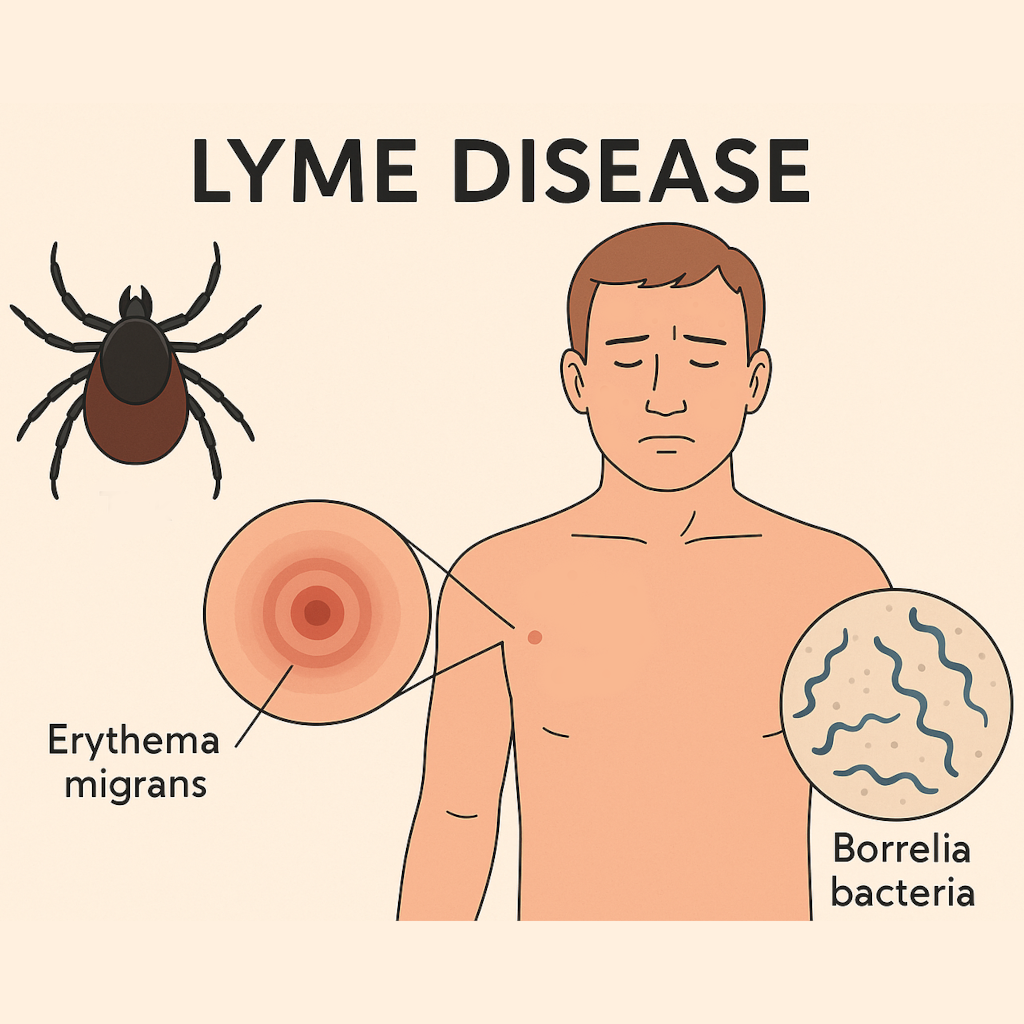
Lyme disease is caused by the bacteria Borrelia burgdorferi and often presents with a “bullseye” rash. The rare illness reported here is a spotted fever caused by Rickettsia bacteria, which attacks the blood vessels and can be more acutely deadly if not treated with the correct antibiotics.
