
Donald Trump announced a peace agreement with Iran that immediately ends hostilities and lifts the naval blockade of the Strait of Hormuz. According to public statements and media reports, the deal centers on a memorandum of understanding that reopens the critical maritime waterway and addresses specific Iranian demands.
Fast Facts
- Primary Action: Peace agreement between the United States and Iran.
- Immediate Result: Reopening of the Strait of Hormuz and end of the naval blockade.
- Diplomatic Tool: A memorandum of understanding (MoU) detailing Iranian requirements.
- Key Figures: U.S. President Donald Trump and Iranian government officials.
The Reopening of the Strait of Hormuz
President Donald Trump announced the end of the naval blockade as part of a broader peace deal to stop the war with Iran. The agreement mandates the immediate reopening of the Strait of Hormuz, a strategic chokepoint for global oil shipments. According to reports, the move is intended to restore maritime traffic and stabilize the region.
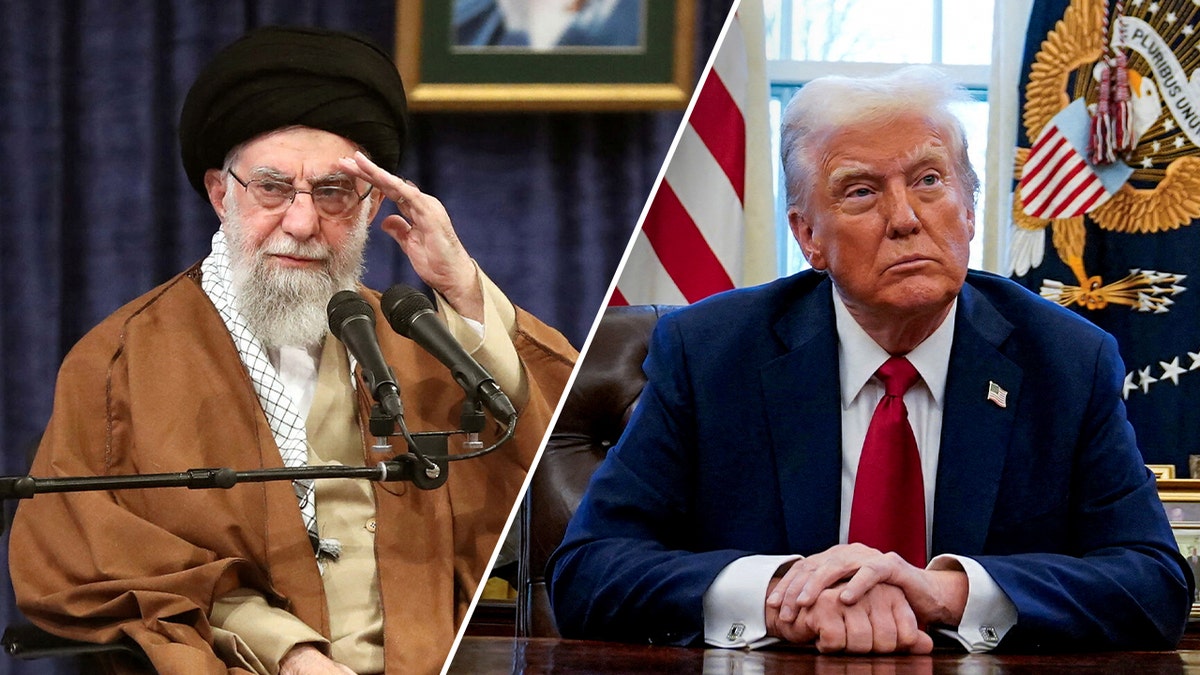
Iranian Demands and Diplomatic Skepticism
The Iranian government has linked the agreement to a memorandum of understanding that outlines a specific list of demands. While the deal establishes a framework for peace, Iranian officials have maintained a cautious stance regarding the relationship with the United States.
Não significa que confiamos
Iranian Vice-Minister
The Vice-Minister’s statement, reported by local media, clarifies that the signing of the agreement does not equate to a restoration of trust between Tehran and Washington.
Regional Implications
The cessation of hostilities and the lifting of the blockade mark a shift in the naval posture of the U.S. in the region. By prioritizing the reopening of the Strait of Hormuz, the agreement addresses a primary point of economic and military tension between the two nations. The specific terms of the Iranian demands remain contained within the memorandum of understanding mentioned in official announcements.
