
The United States and Iran have reached a landmark agreement to de-escalate tensions in the Persian Gulf, according to multiple reports, marking a rare diplomatic breakthrough in a region marked by decades of conflict and mistrust. The deal, confirmed by officials in Washington and Tehran, includes provisions to ease economic sanctions in exchange for Iran curbing nuclear-related activities, according to statements from both governments.
How the Agreement Unfolded
The negotiations, mediated by neutral third parties, culminated in a formal accord late Tuesday, with U.S. President Donald Trump praising the deal as a “victory for peace” in a televised address. “This agreement ensures the flow of oil from the Persian Gulf, which is critical for global markets,” Trump said, citing economic stability as a primary goal. Iranian officials did not provide direct commentary but issued a statement acknowledging “constructive dialogue” with the U.S.
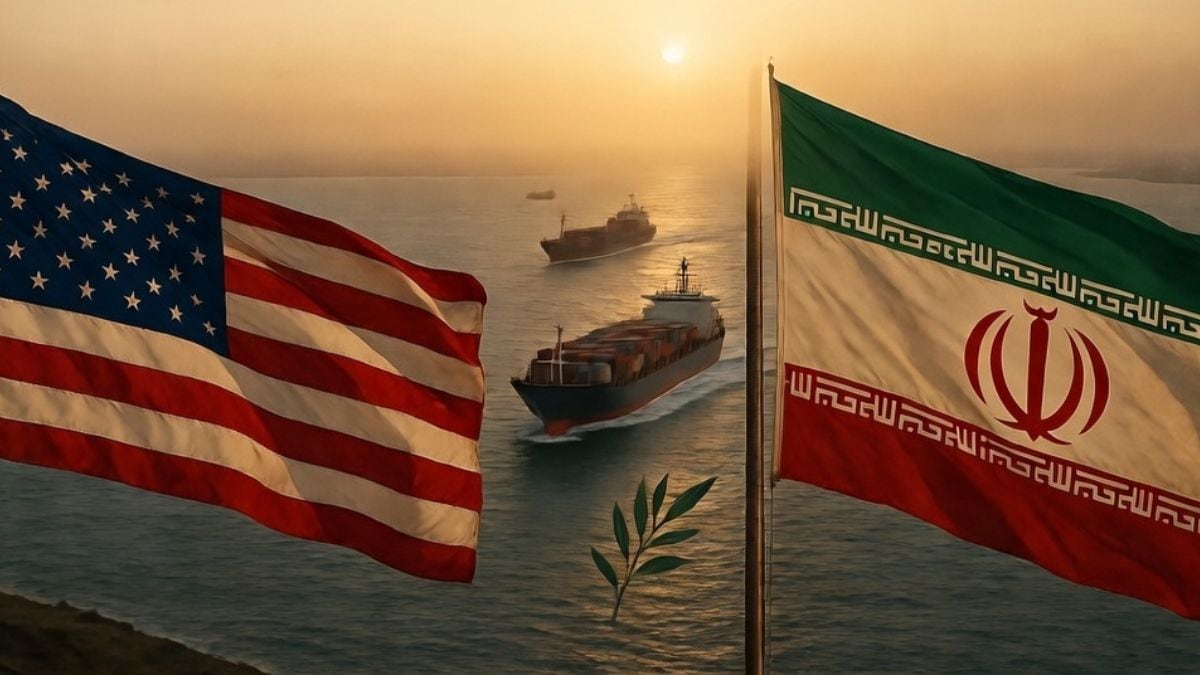
Details of the agreement remain sparse, but sources familiar with the talks indicated that the U.S. will lift certain restrictions on Iranian oil exports, while Iran will limit its enrichment of uranium to levels below 60%, a key threshold for weapons development. The deal also includes a framework for future negotiations on regional security issues, according to a senior U.S. administration official.
Regional Implications
The agreement has immediate implications for the Middle East, where U.S.-Iran tensions have periodically threatened global energy supplies. The Persian Gulf, a critical transit route for roughly 20% of the world’s oil, has seen heightened military posturing in recent years, including clashes between U.S. and Iranian-backed forces in the Strait of Hormuz. Analysts suggest the deal could reduce the risk of direct confrontation but leaves unresolved disputes over Iran’s ballistic missile program and its influence in Syria and Yemen.
Regional allies of the U.S., including Saudi Arabia and the United Arab Emirates, have expressed cautious optimism. A statement from the Gulf Cooperation Council (GCC) called the agreement “a positive step toward regional stability,” though it emphasized the need for “transparency and verification mechanisms” to ensure compliance.
Historical Context and Challenges
This is the first major U.S.-Iran agreement since the 2015 nuclear deal, which the Trump administration withdrew from in 2018, reimposing stringent sanctions. The new arrangement avoids the complexities of the previous pact but faces skepticism from lawmakers in both countries. Critics in the U.S. argue the deal risks emboldening Iran, while Iranian hardliners have questioned its long-term viability without broader political reforms.
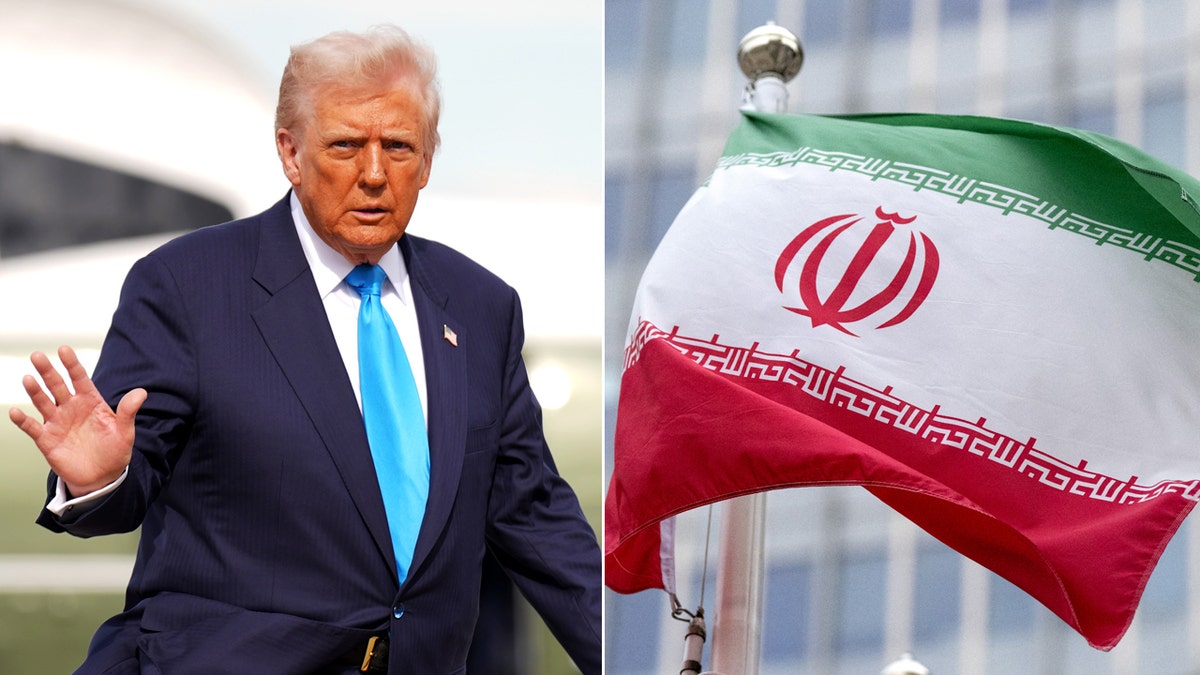
International observers note that the agreement’s success hinges on enforcement. The International Atomic Energy Agency (IAEA) will oversee Iran’s nuclear activities, but the U.S. Congress has threatened to re-impose sanctions if the terms are not met. “This is a fragile compromise,” said a senior IAEA official, “and its sustainability depends on mutual accountability.”
What’s Next
The next phase involves formalizing the agreement through bilateral discussions, with both sides planning to announce a timeline for implementation within the coming weeks. U.S. officials have also indicated they will seek congressional approval for the deal, though lawmakers have yet to outline their positions. Meanwhile, Iran’s Supreme Leader Ayatollah Ali Khamenei has called for “cautious optimism,” stressing that the agreement must not undermine the country’s sovereignty.
