The Hidden Link Between Ultra-Processed Diets and Cognitive Decline: How What Older Adults Eat May Shape Dementia Risk
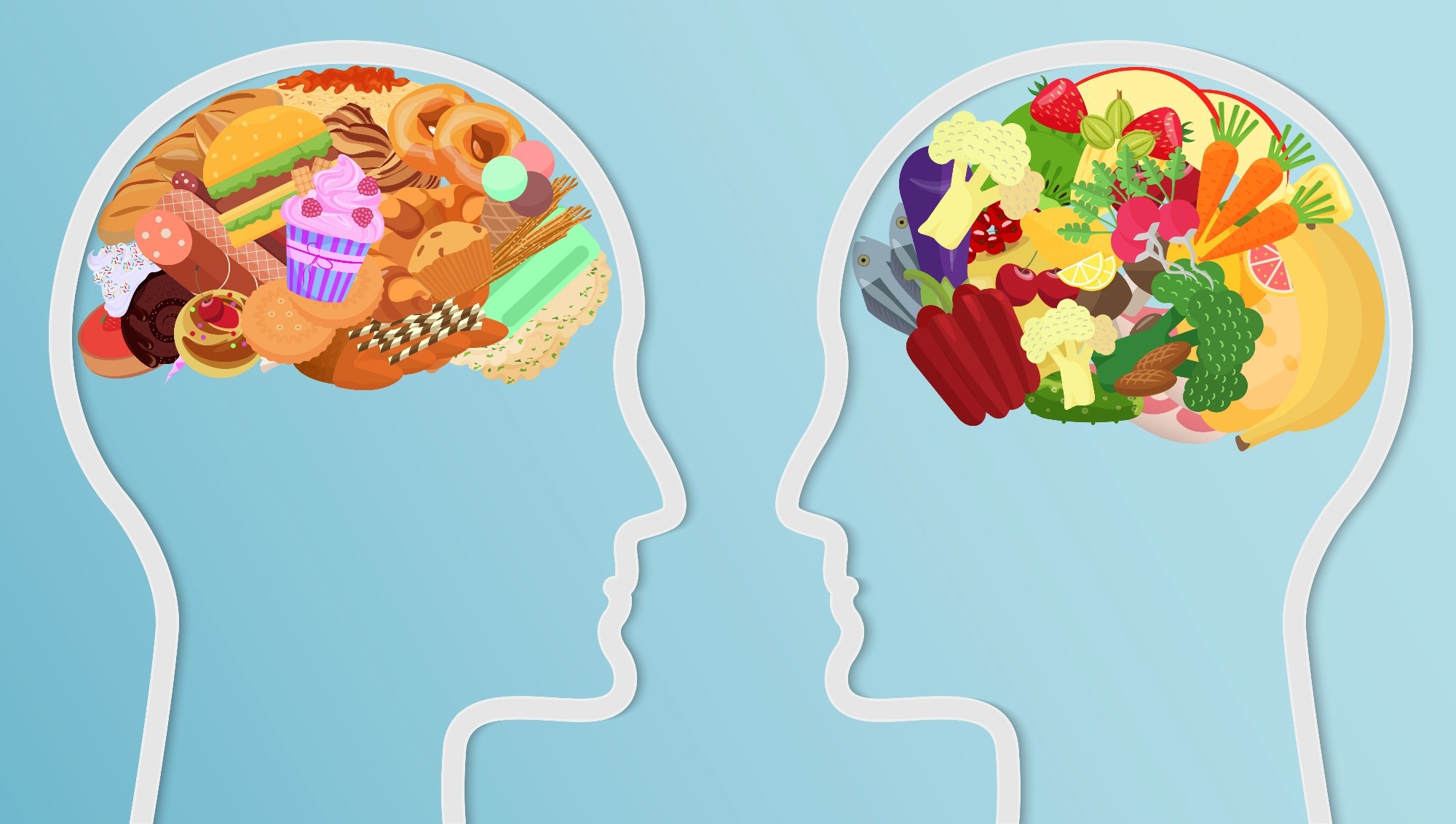
For decades, the conversation surrounding dementia and Alzheimer’s disease has been dominated by the “inevitability” of genetic predisposition and the natural process of aging. However, a growing body of clinical evidence is shifting the narrative toward modifiable risk factors. Central to this shift is the critical examination of nutrition, specifically the prevalence of ultra-processed foods in the modern diet. The emerging consensus suggests that what older adults eat may shape dementia risk – News-Medical and other health reporting highlights a startling correlation between industrial food consumption and the acceleration of cognitive impairment.
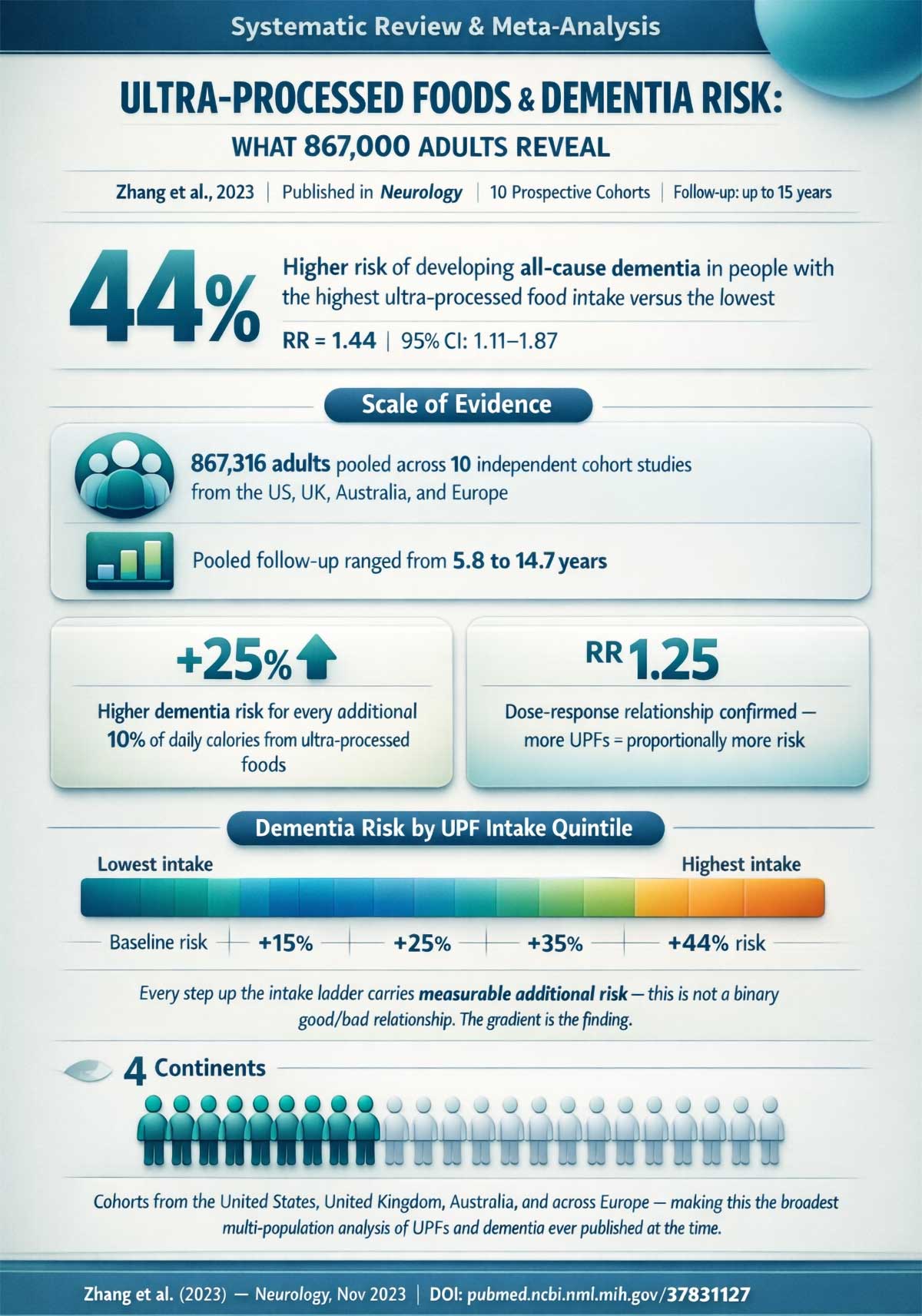
Recent data has sounded an alarm, suggesting that individuals with the highest intake of ultra-processed foods (UPFs) may face a significantly higher risk—in some studies as high as 58%—of developing dementia. This revelation transforms the dinner plate from a matter of simple calorie counting into a frontline defense for neurological preservation. As global populations age, understanding the intersection of industrial food chemistry and brain health has become a public health priority.
The Correlation Between Ultra-Processed Foods and Brain Health
To understand why certain diets are linked to cognitive decline, it is first necessary to define what constitutes an “ultra-processed” food. Unlike minimally processed foods (such as frozen vegetables or canned beans in water), ultra-processed foods are industrial formulations. They are typically created through complex chemical processes and contain substances not used in home kitchens, such as hydrogenated oils, high-fructose corn syrup, emulsifiers, and artificial flavorings.
The link between these foods and dementia is not merely about the presence of “bad” ingredients like sugar or salt, but rather the absence of essential nutrients and the presence of additives that may trigger systemic inflammation. When the body is consistently fueled by these industrial products, the resulting metabolic stress can manifest in the brain, leading to the accumulation of plaques and tangles associated with neurodegenerative diseases.
“The shift from whole-food nutrition to industrial formulations represents one of the most significant dietary transitions in human history, and our cognitive health may be paying the price.”
The 58% Risk Factor: Breaking Down the Data
The statistic that a diet high in UPFs could increase dementia risk by 58% is a stark reminder of the potential impact of lifestyle choices. While correlation does not always equal causation, the consistency of these findings across different demographics suggests a strong biological link. Researchers believe that the high glycemic load and the lack of omega-3 fatty acids and antioxidants in UPFs create a “perfect storm” for brain atrophy.
Key points regarding the risk increase include:
- Accelerated Cognitive Decline: High UPF consumption is associated with a faster drop in executive function and memory.
- Vascular Connection: Many ultra-processed foods contribute to hypertension and type 2 diabetes, both of which are primary drivers of vascular dementia.
- Inflammatory Response: Additives in UPFs can trigger a chronic inflammatory state, which is known to breach the blood-brain barrier.
The Biological Mechanism: How Diet Affects the Neuron
The question of what older adults eat may shape dementia risk – News-Medical reports and scientific literature suggest that the damage occurs through several overlapping biological pathways. The brain is an energy-intensive organ that requires high-quality lipids and micronutrients to maintain the integrity of its neurons.
Neuroinflammation and the Gut-Brain Axis
Modern science has highlighted the “gut-brain axis,” the bidirectional communication network between the gastrointestinal tract and the central nervous system. Ultra-processed foods often lack fiber, which is essential for a healthy gut microbiome. When the microbiome is disrupted (dysbiosis), it can lead to “leaky gut,” allowing pro-inflammatory cytokines to enter the bloodstream and eventually reach the brain.
Once in the brain, this inflammation activates microglia—the brain’s immune cells. While microglia are meant to protect the brain, chronic activation can lead them to attack healthy neurons, contributing to the cognitive erosion seen in dementia patients.
Insulin Resistance in the Brain
Often referred to as “Type 3 Diabetes,” insulin resistance in the brain is a hallmark of Alzheimer’s disease. Diets heavy in refined sugars and artificial sweeteners—staples of the ultra-processed food industry—cause frequent insulin spikes. Over time, the brain’s ability to respond to insulin diminishes, impairing the neurons’ ability to utilize glucose for energy and hindering the clearance of amyloid-beta proteins from the brain.
| Dietary Component | Effect on Brain Health | Impact on Dementia Risk |
|---|---|---|
| Omega-3 Fatty Acids | Supports neuron membrane integrity | Decreased Risk |
| Refined Sugars/Syrups | Triggers neuroinflammation & insulin resistance | Increased Risk |
| Artificial Emulsifiers | Disrupts gut microbiome (dysbiosis) | Increased Risk |
| Antioxidants (Polyphenols) | Combats oxidative stress in neurons | Decreased Risk |
A Broader Neurological Threat: The Connection to Multiple Sclerosis
The danger of ultra-processed foods extends beyond dementia. Emerging evidence indicates that a high intake of these foods is also tied to an increased risk of Multiple Sclerosis (MS) and other autoimmune neurological conditions. This suggests that UPFs do not just “starve” the brain of nutrients but may actively trigger an immune system malfunction.
In the case of MS, the immune system attacks the protective myelin sheath surrounding nerve fibers. The pro-inflammatory nature of a UPF-heavy diet may exacerbate this autoimmune response, leading to faster disease progression or an increase in the likelihood of onset in genetically susceptible individuals. This paints a picture of ultra-processed foods as a systemic neurological threat rather than a localized risk factor for a single disease.
The “Invisible” Diet: How UPFs Infiltrate Every Meal
One of the most challenging aspects of reducing dementia risk is that ultra-processed foods are not limited to “junk food” like candy or soda. They are deeply embedded in the daily routines of older adults, often masquerading as healthy options.
Breakfast: The Sugar Trap
Many older adults start their day with processed cereals, flavored yogurts, or store-bought pastries. While these may be fortified with vitamins, they are often loaded with stabilizers and sugars that set a metabolic tone of inflammation for the rest of the day.

Lunch: The Convenience Culture
Pre-packaged salads with processed dressings, deli meats with nitrates, and “instant” soups are common lunch choices. These items are designed for shelf-life, not brain-life, often containing high levels of sodium and chemical preservatives that impair vascular health.
Dinner: The Hidden Additives
Even home-cooked meals can be compromised by the use of ultra-processed ingredients, such as pre-made sauces, frozen entrees, and processed meats (sausages, nuggets). These “convenience” additions can turn a nutritious meal into a high-UPF event.
For those looking to mitigate these risks, a related explainer on the MIND diet can provide a roadmap for replacing these industrial options with brain-boosting alternatives.
Common Misconceptions About Processed Foods
There is often confusion between “processed” and “ultra-processed” foods. This distinction is vital for anyone attempting to manage their cognitive health.
- Processed Foods: These are typically simple foods altered by a basic process. Examples include canned tomatoes, salted nuts, or fermented yogurt. These are generally not linked to the same level of dementia risk and can be part of a healthy diet.
- Ultra-Processed Foods: These are industrial formulations. If the ingredient list contains items you wouldn’t find in a home kitchen (e.g., soy lecithin, maltodextrin, high-fructose corn syrup), it is ultra-processed.
Another common myth is that “low-fat” or “sugar-free” labels make a food healthy. In reality, when manufacturers remove fat or sugar, they often replace them with artificial thickeners, sweeteners, and flavor enhancers to maintain palatability—effectively making the food more ultra-processed and potentially more harmful to the brain.
Strategies for Neurological Preservation Through Nutrition
While the data on UPFs is sobering, the fact that diet is a modifiable risk factor provides a powerful opportunity for intervention. Shifting the dietary pattern of older adults can potentially gradual the progression of cognitive decline and reduce the likelihood of dementia onset.
The Transition to Whole Foods
The goal is not necessarily a restrictive diet, but a transition toward “whole” or “minimally processed” foods. This involves focusing on ingredients in their natural state.
- Swap Refined Grains for Whole Grains: Replace white bread and sugary cereals with oats, quinoa, and brown rice.
- Prioritize Healthy Fats: Shift from seed oils (often found in UPFs) to extra virgin olive oil, avocados, and walnuts.
- Increase Leafy Greens: Dark leafy greens are rich in Vitamin K and lutein, which are strongly associated with slower cognitive decline.
- Choose Fresh Proteins: Replace processed deli meats and sausages with fresh fish, legumes, or organic poultry.
The Role of Social and Economic Factors
It is important to acknowledge that the reliance on ultra-processed foods is often not a choice, but a result of socio-economic pressures. “Food deserts”—areas where fresh, whole foods are unavailable or unaffordable—disproportionately affect older adults on fixed incomes. Addressing dementia risk on a societal level requires not only individual dietary changes but also systemic improvements in food accessibility and affordability.
Looking Toward the Future of Cognitive Health
The realization that what older adults eat may shape dementia risk – News-Medical and similar findings highlight a turning point in geriatric care. We are moving away from a purely pharmacological approach to dementia toward a holistic, preventative model. The focus is shifting toward “brain resilience”—the idea that One can build a neurological reserve through diet, exercise, and mental stimulation that protects the brain even in the presence of genetic risk.
Future research is likely to delve deeper into personalized nutrition, identifying which specific additives are most damaging to certain genotypes. Until then, the safest strategy remains a return to the basics: eating foods that are recognizable, minimally altered, and rich in the nutrients the brain evolved to require.
Frequently Asked Questions
What exactly are ultra-processed foods (UPFs)?
Ultra-processed foods are industrial formulations made mostly from substances extracted from foods (fats, starches, added sugars) and additives (flavors, colors, emulsifiers). They typically contain ingredients that you would not find in a standard home kitchen and are designed for long shelf-life and high palatability.

Can changing my diet reverse dementia?
While current science suggests that dietary changes may not “reverse” advanced dementia or Alzheimer’s, they can significantly slow the rate of cognitive decline and reduce the risk of developing the disease in the first place. Early intervention is key to preserving cognitive function.
Is all processed food bad for the brain?
No. There is a big difference between “processed” and “ultra-processed.” For example, frozen spinach or canned chickpeas are processed, but they remain nutrient-dense. The risk lies in “ultra-processed” foods, which are stripped of nutrients and loaded with industrial chemicals.
Why do ultra-processed foods increase the risk of dementia specifically?
UPFs contribute to dementia through several pathways: they trigger systemic inflammation, promote insulin resistance in the brain, disrupt the gut-brain axis, and often displace essential nutrients like Omega-3s and antioxidants that are necessary for neuron repair and maintenance.
What are some simple swaps to reduce UPF intake?
Instead of sugary breakfast cereals, try oatmeal with fresh berries. Replace deli meats with grilled chicken or chickpeas. Switch from store-bought condiments and dressings to those made with olive oil, lemon, and herbs. Replace soda and sweetened juices with sparkling water or herbal teas.
