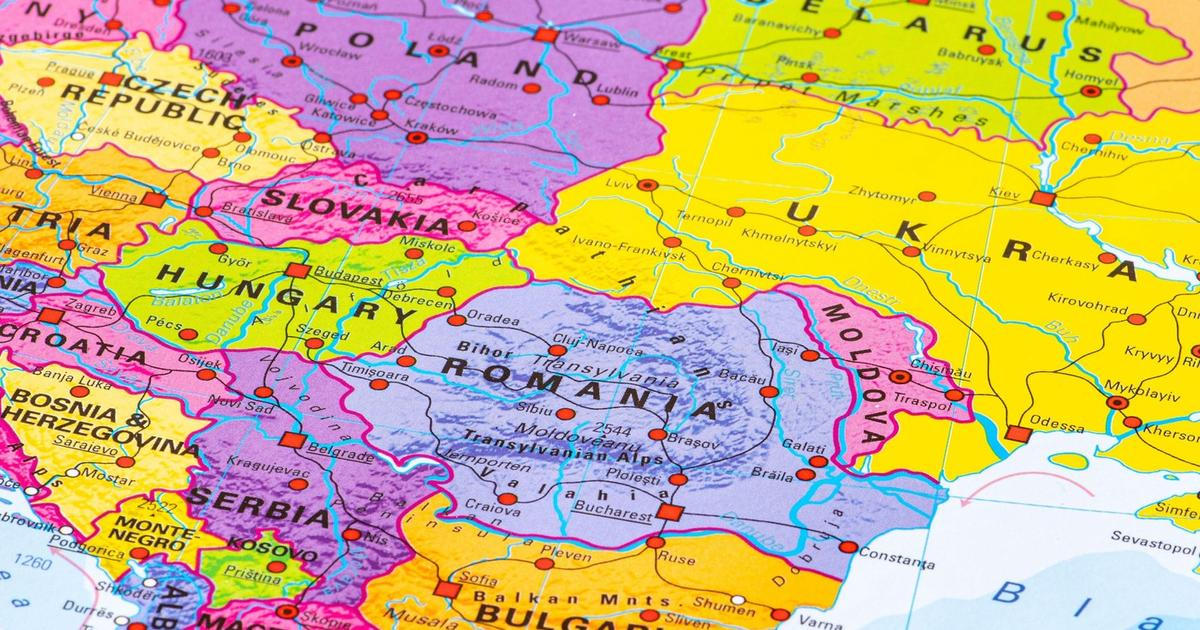
The geopolitical map of Eastern Europe could undergo a fundamental shift as discussions emerge regarding the potential unification of Moldova and Romania. This proposed merger, which would effectively reduce the number of sovereign states in Europe, is being framed by some as a strategic mechanism to accelerate Moldova’s integration into Western institutions.
- Primary Objective: Accelerating accession to the European Union (EU) and NATO.
- Proposed Model: A reunification process similar to that of East and West Germany.
- Key Drivers: Regional security concerns and the desire for rapid economic integration.
A Strategic Shortcut to the West
The prospect of unification is being presented not merely as a cultural or historical homecoming, but as a pragmatic political shortcut. According to public statements, the president of Moldova has suggested that merging with Romania would provide a more efficient path toward joining the European Union and the North Atlantic Treaty Organization (NATO) than pursuing independent membership.
By integrating into Romania—an existing member of both the EU and NATO—Moldova could theoretically bypass the lengthy and often arduous application processes required for sovereign candidates, gaining immediate access to the security and economic frameworks of the West.
The German Reunification Parallel
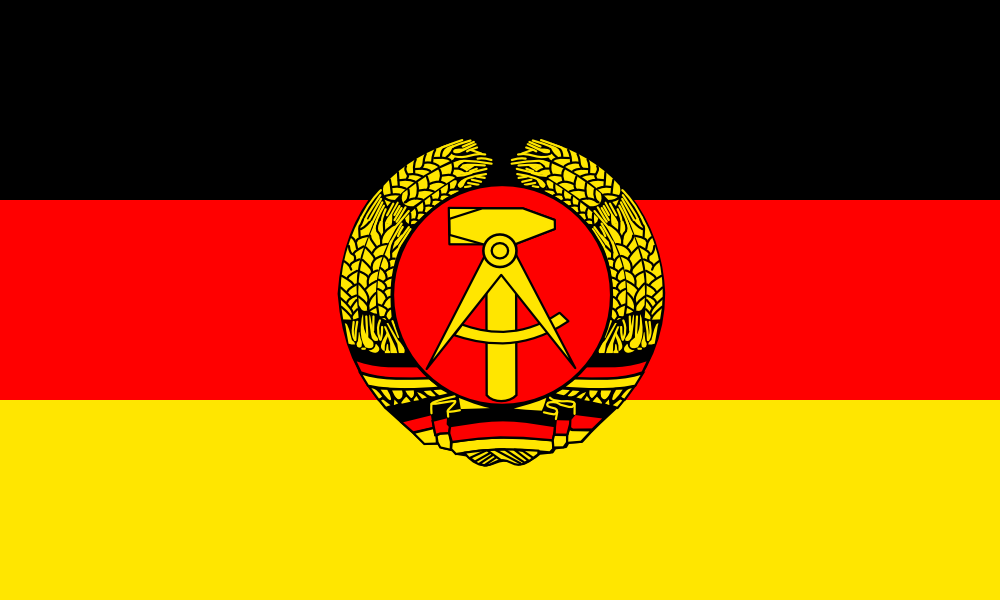
Analysts and political figures have drawn comparisons between this proposal and the 1990 reunification of Germany. Local media reports indicate that Moldova could potentially emulate the model of the German Democratic Republic (GDR), where the smaller, economically struggling eastern state was absorbed into the more prosperous West Germany.
This approach would see Moldova’s administrative and economic systems integrated into the Romanian state, leveraging Romania’s established infrastructure and legal alignment with Brussels to stabilize the region.
Conflicting Stances on Security
While the drive toward the EU appears consistent, the role of military alliance remains a point of contention. Despite the president’s assertions that unification would expedite entry into NATO, other official channels have presented a different narrative. According to government reports, Moldova has stated that it currently has no plans to enter the alliance independently.
This discrepancy highlights the delicate balancing act Moldova must maintain between its aspirations for Western security and the complexities of its current geopolitical positioning.
