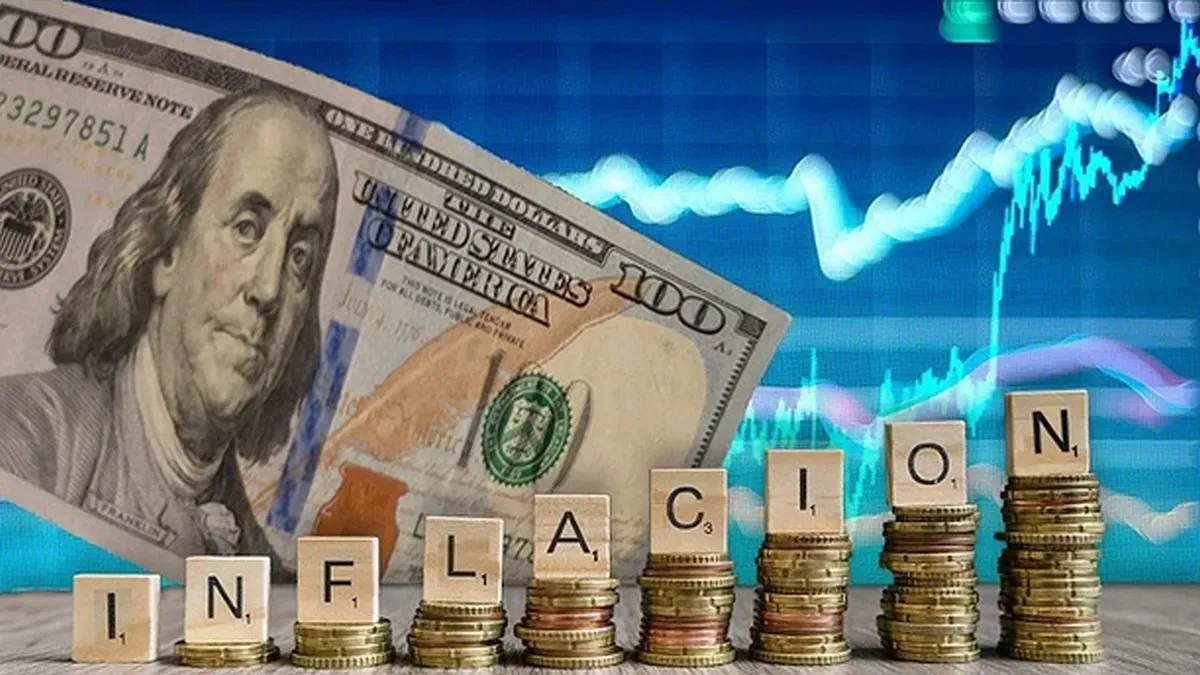
Market analysts have recalibrated their projections for the dollar, anticipating that the currency’s growth will remain below the rate of inflation. This shift suggests a period where the dollar may lose real value relative to rising consumer prices, altering the traditional hedging strategies used by investors and businesses.
- Inflation Lag: New projections indicate the dollar will not keep pace with inflation, potentially reducing its appeal as a primary store of value.
- Intervention Limits: Markets are closely monitoring the “exchange bands” to determine the exact price point that will trigger government intervention in June.
- Seasonal Pressure: The upcoming World Cup is expected to stress the exchange balance, increasing volatility in foreign currency demand.
- Investor Focus: Market participants are prioritizing three key metrics for June: the dollar’s trajectory, central bank reserves, and interest rate movements.
The Inflation Gap and Market Projections
Recent shifts in market sentiment indicate that the dollar is no longer expected to outpace inflation. For the average consumer and business owner, So that while the nominal price of the dollar may rise, its purchasing power—when compared to the rising cost of goods and services—may actually decline. This dynamic often leads to a temporary cooling of speculative demand, as the “real” return on holding foreign currency diminishes.

Defining the June Intervention Threshold
A primary concern for investors heading into June is the threshold of government intervention. According to local media reports, the market is analyzing new “exchange bands”—the predetermined price ranges within which the government allows the currency to fluctuate.
Crossing the upper limit of these bands typically triggers a government response to prevent a currency spiral. The central question currently dominating trading floors is exactly how high the dollar can climb before the administration is forced to intervene to maintain stability. This “invisible line” serves as a critical psychological and financial marker for short-term traders.
World Cup Pressures on Exchange Stability
Beyond policy and inflation, seasonal events are introducing new risks to the exchange balance. The approach of the World Cup is creating tension in the currency market, as such global events typically trigger increased demand for foreign currency. This seasonal surge can strain the stability of the balance of payments, potentially forcing the government to deploy reserves or adjust policy to counteract the volatility.
What Investors Are Watching
As the month progresses, the investment community is narrowing its focus to a specific set of economic indicators to gauge the health of the financial system. Beyond the daily fluctuations of the dollar, two other factors are paramount:
- Central Bank Reserves: The volume of available foreign currency reserves determines the government’s capacity to defend the currency and manage the exchange bands.
- Interest Rates: Shifts in rates will determine whether investors prefer to keep their capital in local assets or move toward the safety of the dollar.
The interplay between these three variables—the dollar price, reserves, and rates—will define the market’s risk appetite and the overall economic stability through the end of the quarter.
