
Tracking Website, Food Watch: South Korea is Obsessing Over Nvidia CEO Jensen Huang’s Visit – CNBC
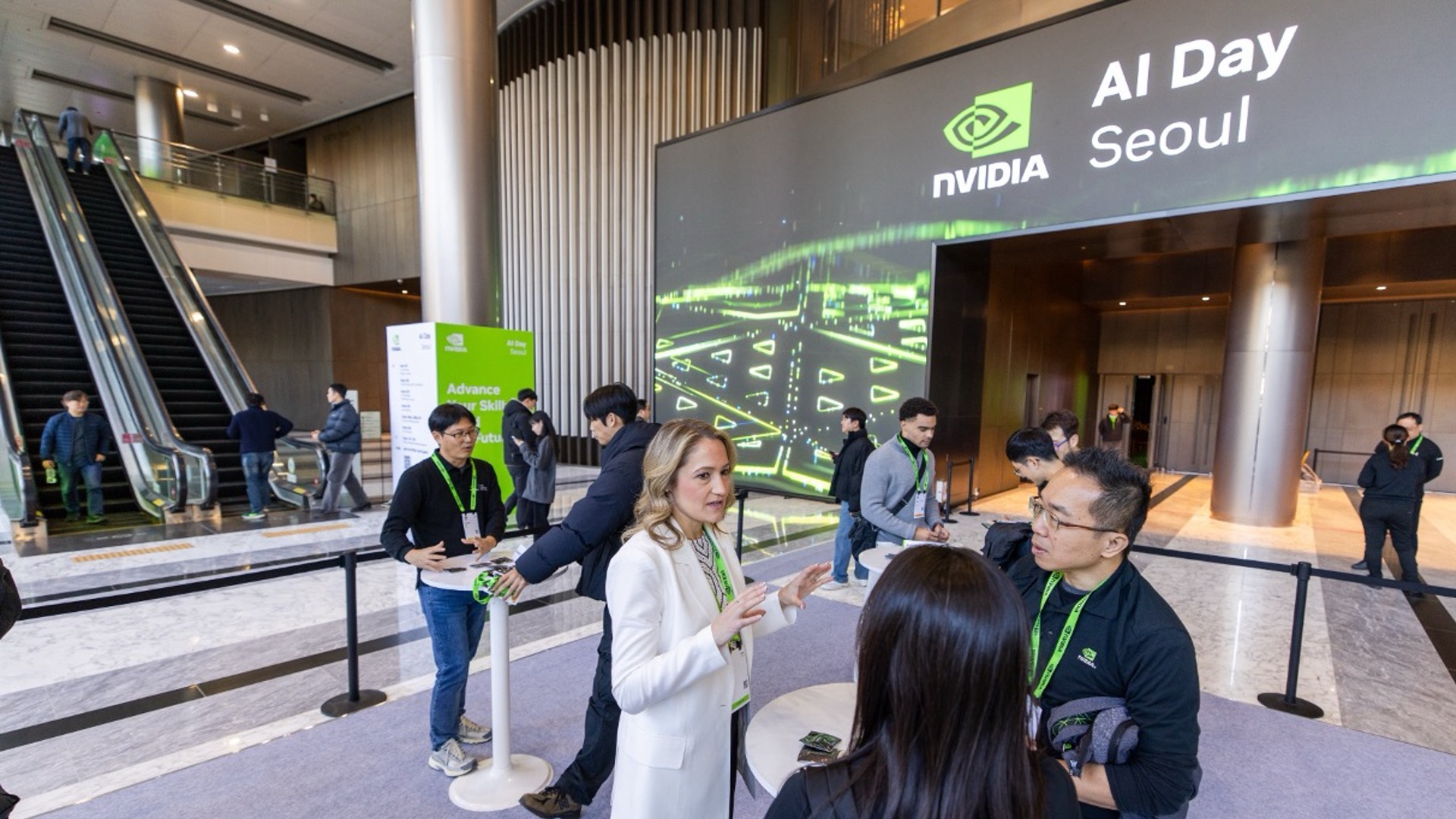
In the high-stakes world of global technology, corporate visits are typically sterile affairs—consisting of closed-door board meetings, signed Memorandums of Understanding (MoUs), and carefully curated press releases. However, the recent arrival of Nvidia CEO Jensen Huang in Seoul has defied every convention of traditional business diplomacy. From the emergence of unofficial tracking websites to a public fascination with his dining choices, the atmosphere surrounding the visit has mirrored that of a K-pop idol’s tour rather than a semiconductor executive’s trip.
This cultural phenomenon, often described as a “tech-celebrity fever,” highlights a deeper intersection between South Korea’s national economic ambitions and the global AI gold rush. As the world grapples with the rapid ascent of generative AI, South Korea finds itself in a pivotal position, possessing the hardware capabilities—specifically in high-bandwidth memory—that Nvidia requires to fuel its GPUs. The narrative of tracking website, food watch: South Korea is obsessing over Nvidia CEO Jensen Huang’s visit – CNBC is not merely a story about a charismatic leader. it is a window into how AI has become a central pillar of South Korean societal and economic identity.
The Anatomy of a Tech Obsession: From Tracking Sites to ‘Food Watches’
The level of public interest in Jensen Huang’s itinerary has reached an unprecedented scale. In a country where digital connectivity is among the fastest in the world, fans and investors alike have taken to the internet to monitor Huang’s every move. The appearance of unofficial tracking tools and “food watch” discussions—where netizens speculate on and track the local delicacies the CEO consumes—signals a shift in how the public perceives the architects of the AI era.
This obsession can be attributed to several converging factors:
- The “Nvidia Effect” on Wealth: For many retail investors in South Korea, Nvidia’s stock performance is not just a financial metric but a symbol of the new economy. Huang is viewed as the “oracle” of this transformation.
- Cultural Alignment: South Korea’s deep-rooted passion for gaming and hardware performance makes Nvidia’s brand naturally resonant. The CEO’s leather-jacket persona blends the image of a visionary engineer with that of a rock star.
- National Pride and Anxiety: As South Korea seeks to maintain its lead in semiconductor manufacturing, a direct relationship with the world’s most influential AI chip designer is seen as a matter of national economic security.
“The fascination with Jensen Huang in Seoul transcends business. It is a manifestation of a society that recognizes AI as the next great industrial revolution and sees the leader of Nvidia as the primary catalyst of that change.”
The Strategic Blueprint: Why South Korea is the Critical Hub for Nvidia
Beyond the glitz and the public fervor, Huang’s visit is grounded in cold, hard strategic necessity. Nvidia does not simply sell chips; it builds an ecosystem. For that ecosystem to expand, it requires a stable, cutting-edge supply chain and a diverse array of software partners. South Korea offers both in abundance.
The HBM Hegemony: Samsung and SK Hynix
At the heart of the AI revolution is High Bandwidth Memory (HBM). Traditional memory is too slow to feed the massive amounts of data required by Large Language Models (LLMs). HBM, which stacks memory chips vertically to increase speed and efficiency, is the “secret sauce” that allows Nvidia’s H100 and Blackwell GPUs to function.
South Korea’s Samsung Electronics and SK Hynix effectively hold a duopoly over the global HBM market. For Huang, maintaining a “charm offensive” in Seoul is essential to ensure that these giants prioritize Nvidia’s specifications and delivery timelines. Any friction in the relationship between Nvidia and its Korean memory suppliers could lead to bottlenecks in the global AI rollout.
The Pivot to Robotics and ‘Sim-to-Real’ Training
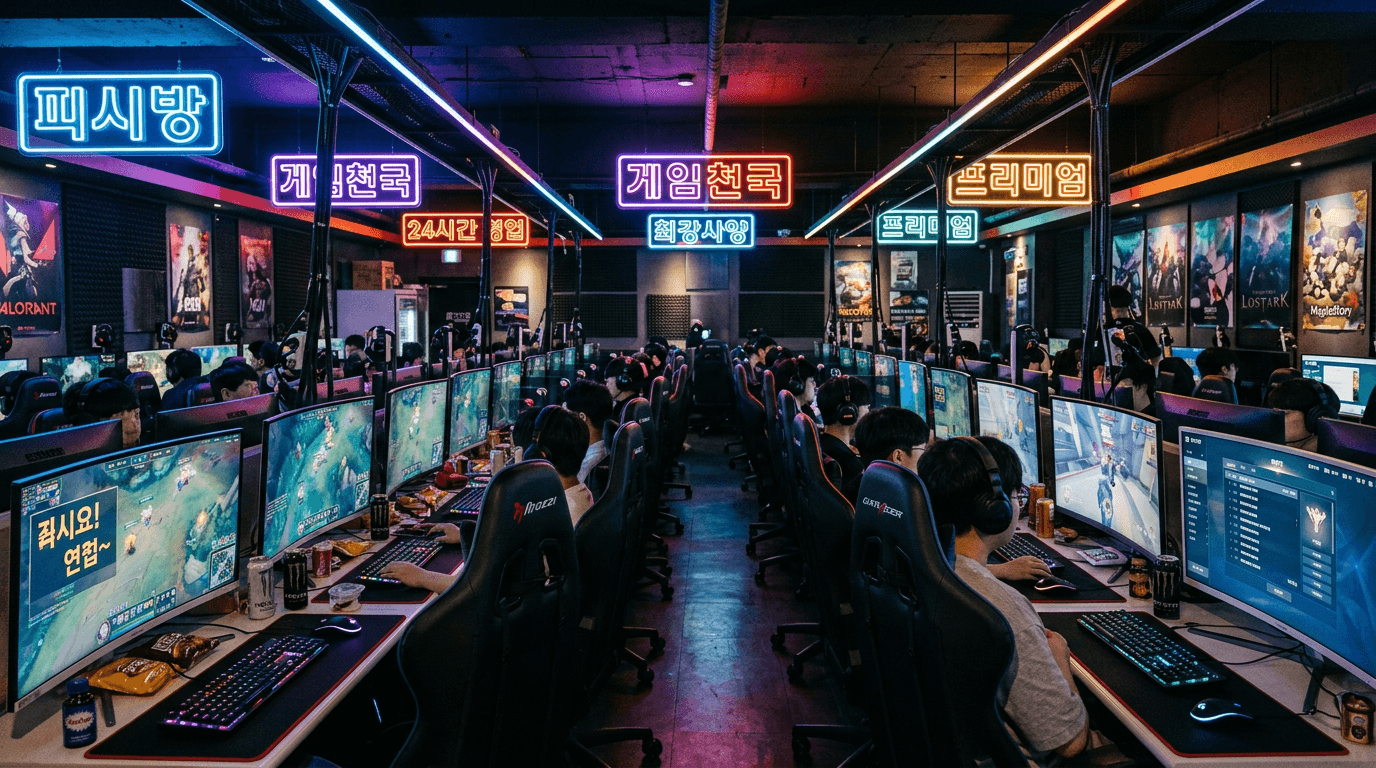
One of the most intriguing aspects of this visit is Huang’s outreach to South Korean gaming powerhouses like Krafton and NCSoft. To the casual observer, a partnership between a chipmaker and a game studio seems like a move toward better graphics. In reality, it is about robotics.
Nvidia is betting heavily on the concept of “Digital Twins”—virtual replicas of the physical world. Game studios are experts at creating hyper-realistic 3D environments with complex physics. By utilizing these game engines, Nvidia can train AI-driven robots in a virtual simulation (Sim-to-Real) millions of times before deploying them in the physical world. This drastically reduces the cost and danger of robot training.
| Strategic Pillar | Korean Partner/Sector | Primary Objective |
|---|---|---|
| Hardware | Samsung / SK Hynix | Securing next-gen HBM3e and HBM4 memory supply. |
| Robotics | Krafton / NCSoft | Using game engines for synthetic data and robot training. |
| Culture | Gaming Community / Faker | Brand loyalty and ecosystem expansion among Gen Z. |
| Infrastructure | AI Alliance / Govt | Building sovereign AI clouds and data centers. |
The ‘Faker’ Factor: Bridging the Gap Between AI and Esports
Perhaps the most calculated move in Huang’s Seoul itinerary was the decision to meet with Lee “Faker” Sang-hyeok, the legendary League of Legends player. In South Korea, Faker is more than an athlete; he is a cultural icon of discipline, skill, and excellence.
By making Faker one of his first stops, Huang is communicating a powerful message: Nvidia is not just for data centers and corporate servers; it is the heartbeat of the gaming culture that defines the youth of South Korea. This “charm push” serves two purposes:
- Humanizing the Tech Giant: It moves the conversation from “corporate procurement” to “shared passion,” making Nvidia a beloved brand rather than just a supplier.
- Future-Proofing the Talent Pipeline: The people who excel in high-level gaming today are the AI engineers and developers of tomorrow. By aligning with the esports elite, Nvidia secures its place in the aspirational psyche of the next generation.
This strategy extends to Huang’s appearances on TV talk shows and baseball games, effectively utilizing “soft power” to smooth the way for “hard power” business negotiations.
Economic Implications: Sovereign AI and the Korean Ambition
The visit coincides with a global trend toward “Sovereign AI.” Countries are realizing that relying entirely on foreign AI models (like those from OpenAI or Google) is a strategic risk. South Korea is aggressively pursuing its own AI capabilities, tailored to the Korean language and cultural nuances.
Huang’s talks regarding an “AI Alliance” are central to this. South Korea wants the infrastructure (the GPUs) to build its own sovereign intelligence, and Nvidia wants to ensure that the Korean infrastructure is built on Nvidia’s CUDA platform. This creates a symbiotic lock-in: Korea gets the power to innovate, and Nvidia secures a permanent, high-value customer in one of the world’s most tech-savvy nations.
Key Risks and Challenges
While the atmosphere is celebratory, there are underlying tensions. The reliance on a single provider (Nvidia) creates a vulnerability for Korean firms. If Nvidia’s pricing remains aggressive or if supply chains shift, the Korean AI ambition could be throttled. The pressure on Samsung to keep pace with SK Hynix in the HBM race has created an internal corporate scramble that adds volatility to the sector.
For more on how this impacts the broader semiconductor market, you might find a related explainer on HBM memory technology useful.
Correcting Common Misconceptions
Much of the media coverage surrounding the tracking website, food watch: South Korea is obsessing over Nvidia CEO Jensen Huang’s visit – CNBC angle focuses on the “celebrity” aspect, but this can lead to several misunderstandings:
Misconception 1: What we have is just a PR stunt.
While the public appearances are high-profile, they are a strategic layer over intense technical negotiations. The “charm” is a lubricant for multi-billion dollar deals involving HBM supply and robotics software.
Misconception 2: Nvidia is only interested in memory.
While HBM is critical, the outreach to game studios proves that Nvidia is pivoting toward becoming a “full-stack” AI company. They are as interested in the data and simulations provided by Korean game developers as they are in the silicon provided by Samsung.
Misconception 3: The obsession is purely about the stock price.
While financial gain is a factor, the obsession is also cultural. In Korea, “tech-savviness” is a form of social currency. Being “in the know” about the leader of the AI revolution is a way for the public to feel connected to the future.
Frequently Asked Questions
Why is South Korea so obsessed with Jensen Huang’s visit?
The obsession stems from a combination of Nvidia’s dominance in the AI sector, the financial impact of its stock on retail investors, and South Korea’s own strategic reliance on AI and semiconductor technology. Huang is viewed as both a business titan and a cultural icon of the AI era.
What is the connection between Nvidia and Korean game studios like Krafton?
Nvidia is utilizing the high-fidelity 3D environments created by game studios to train AI robots. By simulating physics and environments in a virtual world, they can train robots more safely and quickly before moving them into the real world—a process known as Sim-to-Real.
Why is the meeting with Faker significant?
Faker is the most famous esports athlete in the world. By meeting him, Jensen Huang connects Nvidia’s brand with the gaming culture of South Korea, ensuring the company remains relevant and aspirational to the younger generation of developers and gamers.
How does HBM memory fit into this visit?
High Bandwidth Memory (HBM) is essential for AI GPUs to process data quickly. Since South Korean companies Samsung and SK Hynix dominate the HBM market, Huang’s visit is crucial for securing the supply chain needed for Nvidia’s latest AI chips.
What is “Sovereign AI” in the context of this visit?
Sovereign AI refers to a nation’s ability to produce its own AI models using its own data, infrastructure, and workforce, rather than relying on foreign technology. Huang’s visit includes discussions on helping South Korea build this independent AI infrastructure.
As the dust settles on this high-profile visit, the long-term impact will be measured not by the number of tracking websites or the restaurants Huang visited, but by the strength of the alliances forged. The fusion of Korean hardware excellence and Nvidia’s AI ecosystem creates a powerhouse that will likely dictate the pace of robotic and artificial intelligence development for the next decade. The world will be watching to see if these “charm pushes” translate into the next generation of autonomous systems and sovereign intelligence.
For those tracking the evolution of the AI chip war, a deep dive into the Blackwell architecture provides essential context on why these partnerships are so urgent.
