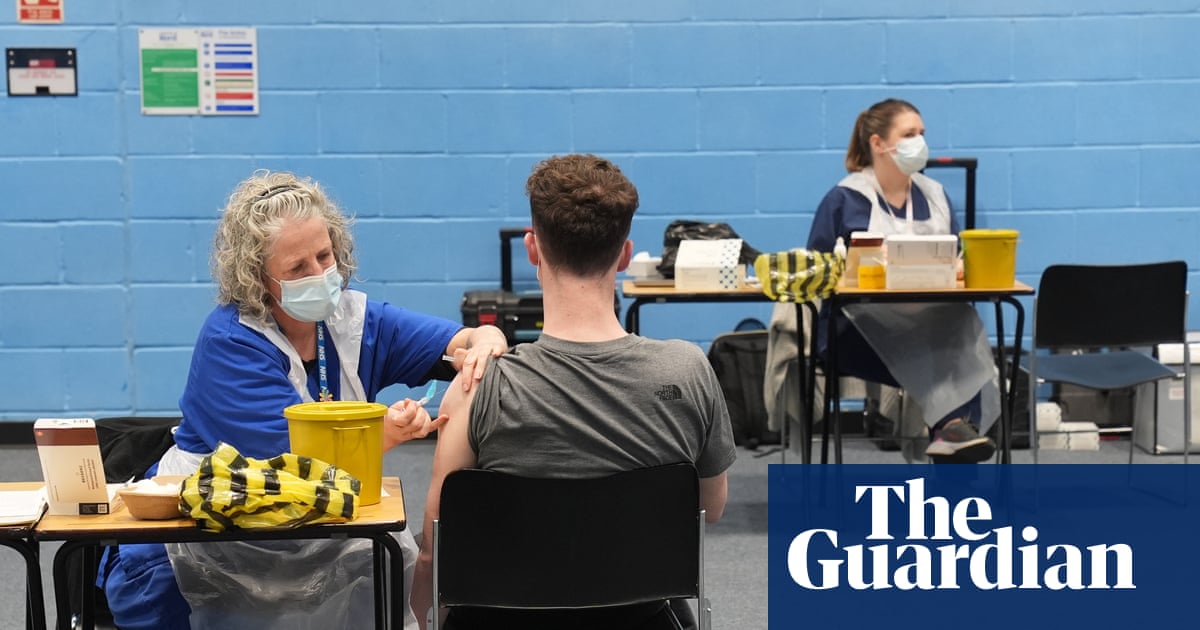
UK school leavers and new students to be offered meningitis B vaccine – The Guardian
The UK government and NHS are offering the meningitis B vaccine to approximately one million school leavers and new students following reports of deadly outbreaks. According to GOV.UK and The Guardian, the initiative provides a two-dose vaccination course to protect young adults transitioning to higher education or employment.
Why are UK school leavers and new students being offered the meningitis B vaccine?
The decision to expand the meningitis B (MenB) vaccination program comes as a response to deadly outbreaks of the disease, according to reports from The Independent and Bloomberg. Health officials have identified school leavers and new university students as a high-risk group due to the nature of their living and social environments.
Meningitis B is a bacterial infection that can cause inflammation of the lining of the brain and spinal cord. Because it can progress rapidly—often appearing as a common flu before turning critical—the UK government has moved to provide proactive immunization. According to GOV.UK, the goal is to reduce the incidence of these severe infections among young adults who are often more susceptible to transmission in crowded settings.
The risk is particularly acute for students moving into university halls of residence. The transition to higher education typically involves living in close proximity to a large number of peers, often in shared bedrooms and communal kitchens. These environments facilitate the spread of bacteria through respiratory secretions or saliva, increasing the likelihood of an outbreak during the first few months of the academic year.
The rollout targets one million young people to mitigate the risk of deadly outbreaks among students and school leavers.
How will the NHS deliver the MenB jab to one million young people?
The vaccination program is being administered through the National Health Service (NHS) as a two-dose course. According to GOV.UK, this specific regimen is necessary to ensure long-term immunity and a robust response from the immune system against the Neisseria meningitidis bacteria.
The delivery of the vaccine is designed to reach students and leavers before they enter these high-risk environments. The program utilizes a combination of primary care providers and potentially campus-based health services to ensure the one million targeted individuals can access the shot efficiently.
Key logistical details of the rollout include:
- Eligibility: Specifically targeted at school leavers and those entering new student populations.
- Dosage: A two-dose sequence to maximize efficacy.
- Cost: Provided free of charge via the NHS.
- Scale: An estimated one million doses are planned for this cohort.
Medical professionals emphasize that the timing of the vaccine is critical. For students, receiving the doses prior to “Freshers’ Week” or the start of term provides the best window of protection before they are exposed to new social networks.
What are the specific risks associated with Meningitis B for students?
Meningitis B is noted for its speed and severity. While many people carry the bacteria in their noses without becoming ill, a small percentage develop a life-threatening infection. According to health data cited by The Independent, these infections can lead to septicemia (blood poisoning) and meningitis.
For young adults, the risks are compounded by several social factors:
- Close-Quarter Living: Dormitories and shared flats increase the frequency of close contact.
- Social Behaviors: Sharing drinks, cigarettes, or utensils can facilitate the transfer of the bacteria.
- Immune System Stress: The stress of moving, combined with changes in sleep and diet during the first year of university, can potentially leave students more vulnerable to infection.
The consequences of an untreated MenB infection are severe. If not caught early, the disease can lead to permanent disability, including limb loss, hearing loss, or brain damage. This severity is why Bloomberg and other outlets have highlighted the “deadly” nature of the outbreaks that triggered this mass vaccination effort.
For more information on recognizing early signs, a related explainer on meningitis symptoms may be useful for students and parents.
Comparing the reporting on the MenB vaccine rollout
Different news outlets have highlighted different drivers behind the vaccination campaign. While the core fact—that one million students are being offered the jab—remains consistent, the framing varies across sources.
| Source | Primary Focus | Key Emphasis |
|---|---|---|
| GOV.UK | Administrative/Logistical | The two-dose requirement and official offer. |
| The Guardian | Public Health Access | The availability of the vaccine for school leavers. |
| Bloomberg | Causal Driver | The link between the rollout and recent outbreaks. |
| The Independent | Severity/Risk | The deadly nature of the outbreaks. |
| Sky News | Scale | The target number of one million young people. |
This variation shows a narrative split: official government channels focus on the how (the two-dose process), while international and independent press focus on the why (the deadly outbreaks). This suggests that while the government is framing the move as a standard health expansion, the media is framing it as a reactive measure to a crisis.
Understanding the MenB vaccine: Efficacy and safety
The MenB vaccine is designed to trigger the body’s immune system to recognize and fight the specific strains of Neisseria meningitidis that cause type B meningitis. Unlike some other meningitis vaccines, the B strain is more difficult to target because its outer shell resembles some of the human body’s own cells.
According to clinical standards generally adopted by the NHS, the two-dose course is essential because a single dose often does not provide sufficient lasting protection for the adult immune system. By administering a second dose, the NHS ensures a higher “seroconversion” rate, meaning more people develop the necessary antibodies to fight the infection.
Common misconceptions about the vaccine
There are several common misunderstandings regarding the meningitis B shot that students and parents should be aware of:
- “I had a baby vaccine, so I’m safe”: While many infants receive MenB vaccines, immunity can wane over time. The current offer for school leavers is intended to boost or provide necessary protection for this specific age bracket.
- “It protects against all meningitis”: The MenB vaccine specifically targets the B strain. It does not protect against other types (such as A, C, W, or Y), though many students are already protected against those through separate childhood immunization programs.
- “It’s only for university students”: The offer extends to all school leavers, including those entering apprenticeships or the workforce, as any transition into new, large social groups can increase risk.
For those concerned about side effects, the NHS typically reports mild reactions, such as soreness at the injection site or a low-grade fever, which are standard responses to the immune system being activated.
The broader impact on UK public health strategy
This mass vaccination effort reflects a broader shift in UK public health toward “targeted cohorts.” Rather than universal adult vaccination, the NHS is focusing resources on the populations most likely to act as vectors for the disease or those most vulnerable to its effects.
By targeting one million young people at a pivotal transition point in their lives, the government is attempting to create a “buffer” of immunity. This not only protects the individual student but also reduces the overall prevalence of the bacteria within the student population, thereby protecting those who cannot be vaccinated for medical reasons.
This strategy has been used previously for other vaccines, such as the HPV vaccine rollout in schools. The success of the MenB program will likely depend on the “uptake rate”—the percentage of the one million eligible students who actually complete both doses. Public health officials typically monitor these rates closely to determine if the program has reached the threshold required for “herd immunity” within university settings.
Students are encouraged to contact their GP or university health center to confirm their eligibility. A guide to NHS student health services can provide more detail on how to navigate these appointments.
Frequently Asked Questions
Who exactly is eligible for the free meningitis B vaccine?
According to GOV.UK and The Guardian, the vaccine is being offered to UK school leavers and new students. This generally includes those transitioning from secondary education to university or other forms of further education and employment.
Why are two doses required instead of one?
As reported by GOV.UK, the two-dose regimen is necessary to ensure the immune system develops a strong and lasting response. A single dose is often insufficient to provide long-term protection against the B strain of the bacteria.
Is the vaccine mandatory for university entry?
The reports from Sky News and The Independent indicate that the vaccine is being “offered” via the NHS, meaning it is a recommended public health measure rather than a mandatory requirement for enrollment.
How many people are expected to receive the vaccine?
The NHS and government sources, including Sky News, estimate that approximately one million young people will be offered the vaccination.
What triggered this specific rollout now?
Bloomberg and The Independent report that the move follows deadly outbreaks of meningitis B, prompting health officials to provide extra protection to those entering high-risk, close-contact living situations.
Does this vaccine protect against all types of meningitis?
No. This specific vaccine targets meningitis B. Other types of meningitis are covered by different vaccines, most of which are administered during routine childhood immunization schedules in the UK.
