The Cerebellum May Help Aging Brains Stay Sharper: New Research Redefines Cognitive Health in Older Adults
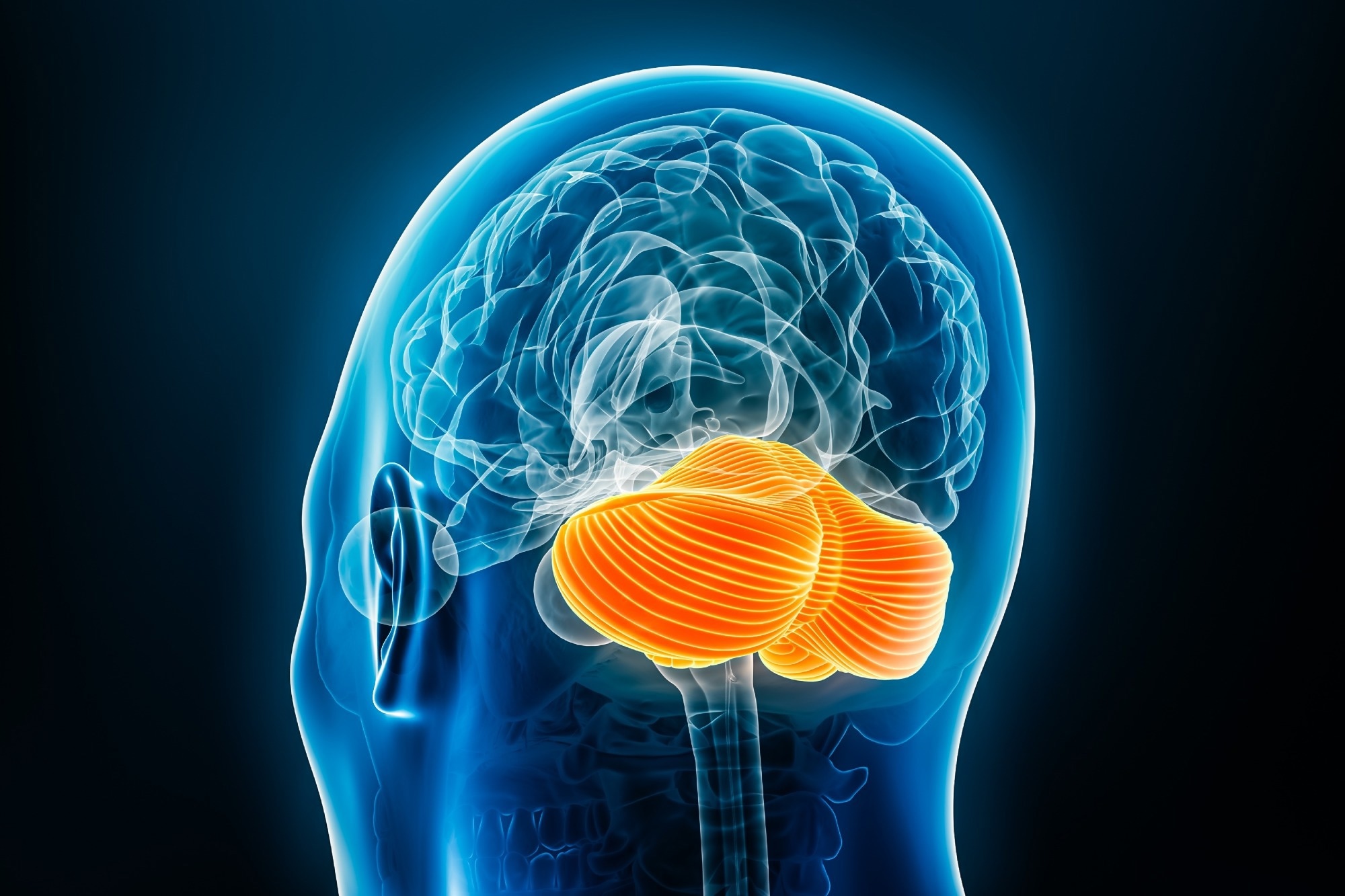
The cerebellum is increasingly linked to the maintenance of cognitive function in aging brains, moving beyond its traditional role in motor coordination to influence memory and executive processing. According to reports from News-Medical, this shift in neuroscientific understanding suggests that the cerebellum may help aging brains stay sharper by providing critical support to the cerebral cortex.
How the Cerebellum Influences Cognitive Longevity
For decades, medical textbooks categorized the cerebellum—the “little brain” located at the back of the skull—almost exclusively as the center for balance, posture, and fine motor control. However, emerging evidence indicates that this structure is deeply integrated into the brain’s cognitive architecture. The cerebellum may help aging brains stay sharper by acting as a quality-control mechanism for thoughts, similar to how it smooths out physical movements.
Researchers have identified complex neural loops that connect the cerebellum to the prefrontal cortex, the area responsible for complex planning and decision-making. When the cerebral cortex handles the “what” of a task, the cerebellum often manages the “how,” optimizing the efficiency of the signal. In aging populations, as the prefrontal cortex begins to lose synaptic density, the cerebellum may compensate by refining the remaining neural pathways.
This process involves a constant exchange of information. The cerebellum receives sensory input and copies of motor commands, which it then uses to predict outcomes and correct errors in real-time. Evidence suggests this “predictive processing” extends to mental tasks. By predicting the necessary cognitive steps for a task, the cerebellum reduces the metabolic load on the aging frontal lobes, potentially slowing the perceived effects of cognitive decline.
The traditional view of the cerebellum as a purely motor organ is obsolete. It is now clear that this structure is a vital partner in cognitive processing, particularly as the brain faces the challenges of senescence.
The Shift from Motor Control to Cognitive Support
The transition in how scientists view the cerebellum represents a fundamental change in neuroanatomy. Historically, damage to the cerebellum resulted in ataxia—a lack of muscle coordination. Because the physical symptoms were so prominent, the cognitive contributions remained overlooked. Current data indicates that cerebellar dysfunction can also lead to deficits in language, spatial reasoning, and emotional regulation, a cluster of symptoms sometimes referred to as the Cerebellar Cognitive Affective Syndrome (CCAS).
To understand why the cerebellum may help aging brains stay sharper, it is necessary to compare the traditional and modern understandings of its function:
| Function Category | Traditional View (Motor-Centric) | Modern View (Cognitive-Integrated) |
|---|---|---|
| Primary Role | Balance and coordination | Coordination of both movement and thought |
| Neural Connection | Linked mainly to the spinal cord/brainstem | Deeply linked to the prefrontal and parietal cortices |
| Impact of Aging | Loss of balance and dexterity | Potential decline in executive function and fluency |
| Clinical Focus | Physical therapy for ataxia | Cognitive rehabilitation and neuroplasticity |
This expanded role suggests that the cerebellum does not just “help” the brain; it acts as a modulator. By pruning unnecessary neural noise, it allows the aging brain to maintain a level of sharpness that would be impossible if the cerebral cortex were operating in isolation.
Why the Cerebellum May Help Aging Brains Stay Sharper in the Context of Dementia
The implications for neurodegenerative diseases are significant. Most research into Alzheimer’s and other forms of dementia has focused on the hippocampus and the cerebral cortex, where plaques and tangles typically accumulate. However, the cerebellum’s relative resilience in certain stages of aging makes it a prime candidate for therapeutic intervention.
According to analysis provided by News-Medical, the cerebellum’s ability to maintain plasticity—the brain’s ability to reorganize itself—into old age is a key factor. While the hippocampus often shrinks rapidly in early-stage Alzheimer’s, the cerebellum may continue to function, providing a “cognitive reserve.” This reserve allows some individuals to maintain high levels of functioning despite significant pathology in other parts of the brain.
The Role of Neural Plasticity
Neural plasticity is the mechanism by which the brain forms new connections. In the cerebellum, this is driven by Long-Term Depression (LTD) and Long-Term Potentiation (LTP) at the synapses between parallel fibers and Purkinje cells. This machinery allows the cerebellum to “learn” the most efficient way to execute a task. When applied to cognition, this means the cerebellum can help an older adult find a “shortcut” to a memory or a solution, bypassing damaged areas of the cortex.
Addressing Executive Dysfunction
Executive function includes the ability to switch between tasks, hold information in working memory, and inhibit impulsive responses. As people age, these functions typically decline. The cerebellum supports these processes by providing a timing mechanism. By precisely timing the firing of neurons in the cortex, the cerebellum ensures that information is processed in the correct sequence, which is essential for maintaining mental sharpness.
For more on how the brain adapts to age, see a related explainer on neuroplasticity in seniors.
Potential Therapeutic Avenues and Clinical Applications
If the cerebellum is indeed a key to keeping the aging brain sharp, the next logical step is the development of targeted therapies. Researchers are exploring several avenues to stimulate cerebellar function to combat cognitive decline.

- Non-Invasive Brain Stimulation: Techniques such as transcranial Magnetic Stimulation (TMS) and transcranial Direct Current Stimulation (tDCS) are being tested to see if stimulating the cerebellum can improve cognitive performance in older adults.
- Cerebellar-Targeted Physical Exercise: Since the cerebellum handles both motor and cognitive tasks, complex physical activities—such as dancing, tai chi, or balance-based sports—may simultaneously stimulate the cognitive loops of the cerebellum.
- Cognitive Training: Exercises that require rapid switching between tasks or precise timing may strengthen the cerebellar-cortical connections, effectively “exercising” the brain’s quality-control system.
These interventions aim to leverage the cerebellum’s innate ability to optimize signals. By increasing the efficiency of the cerebellum, clinicians hope to reduce the cognitive load on the aging prefrontal cortex, thereby extending the period of mental clarity in late life.
Common Misconceptions About Brain Aging and the Cerebellum
There are several prevalent myths regarding how the brain ages and the role of the cerebellum that need correction based on current evidence.
Myth 1: The brain is a collection of isolated modules
Many believe that the “memory center” is in one place and the “balance center” is in another. In reality, the brain operates as a series of integrated networks. The discovery that the cerebellum may help aging brains stay sharper proves that cognitive health is a whole-brain effort, not just a cortical one.
Myth 2: Cognitive decline is inevitable and linear
While some decline occurs with age, the rate and impact vary wildly. The existence of “super-agers”—individuals in their 80s and 90s with the memory of 50-year-olds—suggests that structures like the cerebellum can provide a buffer. Cognitive decline is often a matter of how well the brain can compensate for loss, rather than the loss itself.
Myth 3: The cerebellum only cares about movement
As noted in the News-Medical reports, the “motor-only” view is outdated. The cerebellum is involved in the “automation” of thought. Just as it automates the movement of walking, it helps automate the rules of grammar or the steps of a mathematical problem, freeing up conscious thought for more complex analysis.
Comparing the Cerebellum to the Hippocampus in Aging
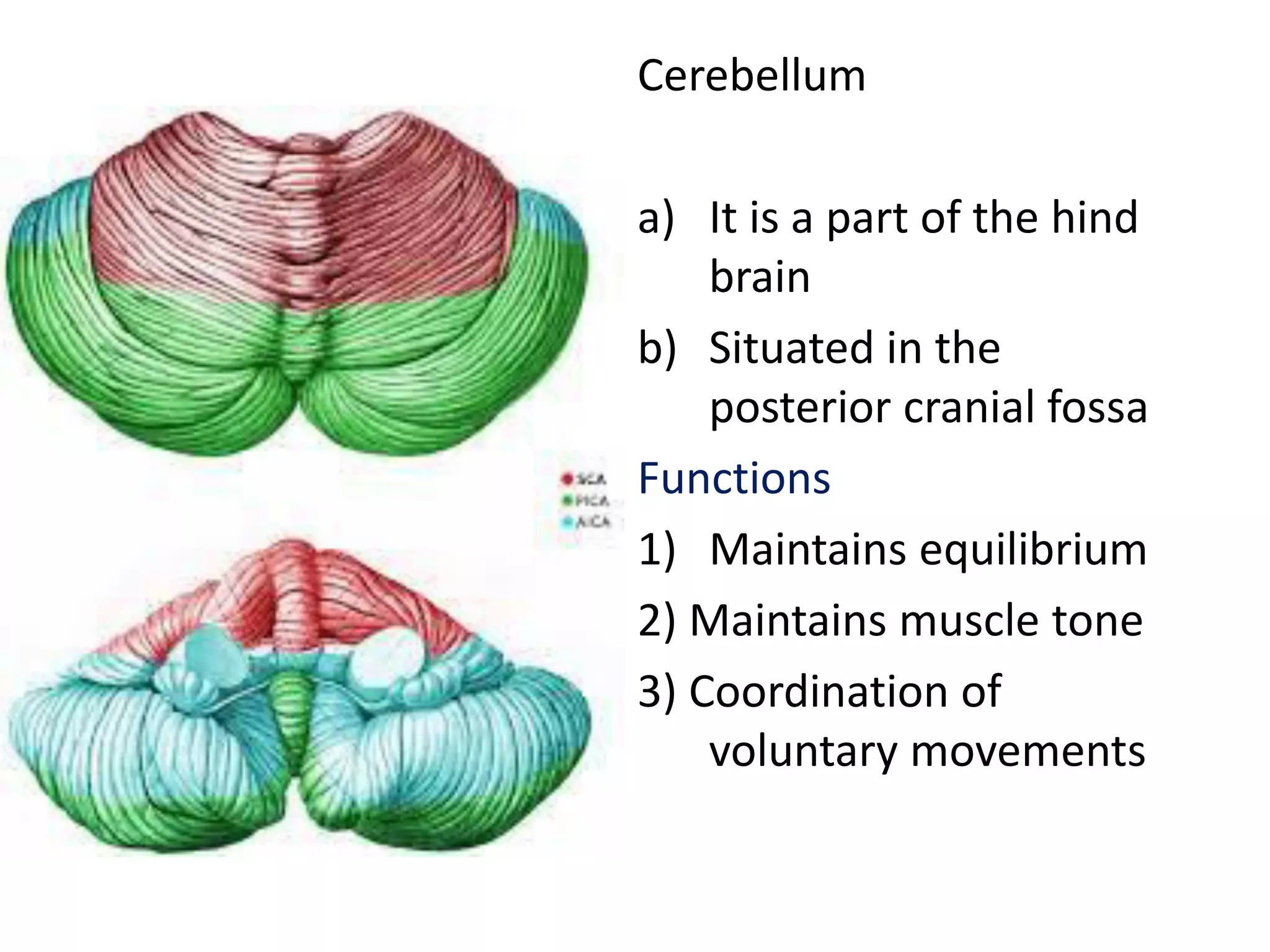
To fully grasp the importance of the cerebellum, it is helpful to contrast it with the hippocampus, which is more frequently discussed in the context of aging and memory.
The hippocampus is primarily responsible for the formation of new memories and spatial navigation. It is highly sensitive to cortisol (the stress hormone) and is often the first area to show atrophy in Alzheimer’s disease. In contrast, the cerebellum is less about the *storage* of the memory and more about the *retrieval and optimization* of the process.
When the hippocampus fails, the brain struggles to create new memories. However, if the cerebellum remains healthy, the brain can still efficiently utilize existing knowledge and maintain executive control. This distinction is why some patients with hippocampal damage can still perform complex tasks or maintain a sharp personality—their cerebellar-cortical loops are still functioning.
The Broader Impact on Public Health and Longevity
The realization that the cerebellum may help aging brains stay sharper has implications for public health policy and elderly care. If cognitive health is tied to the cerebellum, then “brain health” cannot be separated from “physical health.”
Current care models for the elderly often separate physical therapy (to prevent falls) from cognitive therapy (to prevent dementia). However, the cerebellar link suggests that these two goals are actually the same. A physical therapy program that challenges balance and coordination is, by definition, a program that stimulates the cerebellum, which in turn may support cognitive sharpness.
Furthermore, this research encourages a more optimistic view of aging. Rather than focusing solely on the degradation of the cortex, medical science can now look at the “compensatory strengths” of the brain. The cerebellum provides a biological blueprint for resilience, showing that the brain has built-in mechanisms to maintain function even as other parts decline.
For further reading on geriatric health strategies, consider a related explainer on holistic brain health.
Frequently Asked Questions
How exactly does the cerebellum help the brain stay sharp?
The cerebellum acts as a modulator for the cerebral cortex. It optimizes the timing and efficiency of neural signals, reducing “noise” and allowing the aging brain to execute cognitive tasks with less effort. This predictive processing helps maintain executive functions like planning and memory retrieval.

Can I strengthen my cerebellum to prevent cognitive decline?
While no single exercise can “cure” cognitive decline, activities that challenge both balance and mental focus—such as learning a new dance, practicing yoga, or engaging in complex sports—are believed to stimulate the cerebellar-cortical loops, potentially supporting overall brain health.
Is the cerebellum affected by Alzheimer’s disease?
While Alzheimer’s primarily targets the hippocampus and cortex, later stages of the disease can involve the cerebellum. However, the cerebellum is often more resilient in the early and middle stages, which is why it is viewed as a potential source of “cognitive reserve.”
What is the difference between the cerebellum and the cerebrum?
The cerebrum is the largest part of the brain and handles high-level functions like conscious thought, emotion, and sensory processing. The cerebellum is smaller, located underneath the cerebrum, and focuses on coordination, timing, and the optimization of both physical and mental tasks.
Are there medications that target the cerebellum for cognitive health?
Currently, there are no widely approved medications specifically designed to “boost” the cerebellum for cognitive sharpness. Most current research focuses on non-invasive stimulation (like TMS) and lifestyle interventions that promote neuroplasticity.
The ongoing study of the cerebellum continues to rewrite the rules of neurology. By recognizing the “little brain” as a major player in cognitive maintenance, science is moving closer to strategies that don’t just slow the decline of the aging brain, but actively support its ability to remain sharp and functional well into old age.
