
Single-dose vaccine provides complete protection against Andes hantavirus – News-Medical
A single-dose vaccine has demonstrated complete protection against the Andes hantavirus, according to reports from News-Medical. This medical development targets a virus known for high mortality rates and rare human-to-human transmission, potentially providing a critical defense for high-risk populations in South American regions where the virus is endemic.
How does the single-dose Andes hantavirus vaccine work?
The development of a vaccine that provides complete protection after one dose represents a significant shift in the approach to hantavirus prevention. According to News-Medical, the vaccine is designed to trigger a robust immune response that prevents the virus from establishing an infection in the host. While most traditional vaccines require multiple boosters to maintain efficacy, this single-dose candidate aims to provide durable immunity.
The Andes hantavirus (ANDV) is particularly dangerous due to its high case-fatality rate. By targeting the specific proteins the virus uses to enter human cells, the vaccine prevents the respiratory failure and cardiovascular collapse associated with Hantavirus Pulmonary Syndrome (HPS). Nature reports that the broader landscape of vaccines and therapeutics for Andes hantavirus has long been a priority for researchers because of the virus’s ability to cause severe illness rapidly after exposure.
Key technical aspects of the vaccine’s efficacy include:
- Rapid Immune Activation: The single dose induces high levels of neutralizing antibodies.
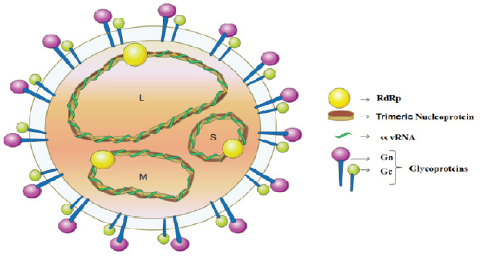
- Targeted Protein Inhibition: The vaccine focuses on the viral envelope glycoproteins, which are essential for the virus to attach to host cells.
- Preventative Shielding: Once administered, the immune system recognizes the ANDV structure immediately upon exposure, neutralizing the pathogen before it reaches the lungs.
The ability to achieve complete protection with a single administration simplifies the logistics of deploying the vaccine in rural or remote areas where hantavirus is most prevalent.
What is the Andes hantavirus and why is it dangerous?
Andes hantavirus is a zoonotic virus primarily carried by the long-tailed pygmy rice rat (Oligoryzomys longicaudatus). According to News-Medical, humans typically contract the virus by inhaling aerosolized particles from the urine, droppings, or saliva of infected rodents. Once inhaled, the virus attacks the lining of the lungs, leading to Hantavirus Pulmonary Syndrome (HPS).

HPS is characterized by a rapid progression from flu-like symptoms—such as fever and muscle aches—to severe respiratory distress. Nature notes that the mortality rate for ANDV is among the highest of all hantavirus strains. The lungs fill with fluid, effectively causing the patient to suffocate, which requires intensive care and mechanical ventilation for survival.
The biological behavior of the Andes strain differs from other hantaviruses in one critical way: human-to-human transmission. While most hantaviruses are strictly zoonotic, News-Medical reports that the Andes strain has been documented spreading between people, usually through close contact in household settings. This characteristic makes the development of a vaccine a matter of urgent public health priority.
Andes hantavirus vs. Sin Nombre virus: What are the differences?
While the Andes hantavirus is a primary concern in South America, North America faces its own threat in the form of the Sin Nombre virus (SNV). ABC7 Los Angeles reports that SNV is endemic to California and other Western U.S. states, where it is carried by the deer mouse. Both viruses cause HPS, but their transmission patterns and geographical footprints vary.
The most stark contrast lies in the transmission method. Sin Nombre is almost exclusively contracted through rodent exposure. In contrast, the Andes strain’s ability to move from person to person creates a different risk profile for healthcare workers and family members of the infected. This distinction is why the “complete protection” offered by the new single-dose vaccine is viewed as a breakthrough specifically for the Andes strain.
| Feature | Andes Hantavirus (ANDV) | Sin Nombre Virus (SNV) |
|---|---|---|
| Primary Region | South America (Chile, Argentina) | North America (USA, Canada) |
| Primary Vector | Long-tailed pygmy rice rat | Deer mouse |
| Human-to-Human Spread | Documented and possible | Not typically observed |
| Clinical Outcome | Hantavirus Pulmonary Syndrome (HPS) | Hantavirus Pulmonary Syndrome (HPS) |
| Vaccine Status | Single-dose candidate showing protection | Preventative focus on rodent control |
Why is Andes hantavirus not considered the next COVID-19?
Following the global pandemic, there were concerns that the human-to-human transmission of Andes hantavirus could lead to a similar global event. However, News-Medical explains that ANDV does not possess the same pandemic potential as SARS-CoV-2. The primary reason is the efficiency of transmission.
COVID-19 spreads through highly efficient respiratory droplets and aerosols that can infect a large number of people in a short time. Andes hantavirus, while capable of human-to-human spread, requires much closer and more prolonged contact. According to News-Medical, the transmission rate is far too low to sustain the exponential growth required for a global pandemic.
Furthermore, the geographical confinement of the virus remains a limiting factor. ANDV is tied to the ecology of the pygmy rice rat, meaning the primary source of infection is localized to specific environments in South America. Unless the virus undergoes a massive mutation that increases its transmissibility, it remains a regional public health challenge rather than a global existential threat.
How did the cruise ship hantavirus outbreak start?
The complexities of hantavirus transmission are highlighted by investigations into unusual outbreaks, including those occurring on cruise ships. Science | AAAS reports that researchers are investigating new scenarios to determine how passengers could have been exposed to the virus in a controlled maritime environment.
Standard transmission involves rural areas and rodent-infested sheds. A cruise ship, however, presents a different set of variables. Scientists are examining whether rodents could have boarded the ships at ports or if there were other environmental vectors that allowed the virus to persist. The investigation aims to understand if the ship’s ventilation systems or specific storage areas could have concentrated viral particles, leading to passenger infection.
This research is vital because it challenges the assumption that hantavirus is only a “wilderness” disease. If the virus can be transported and transmitted in high-density travel environments, the need for the single-dose vaccine becomes even more pressing for travelers and crew members.
How can people stay safe from hantavirus while camping?
For those in regions where the Sin Nombre virus or other hantavirus strains are endemic, prevention relies on avoiding contact with rodent excreta. ABC7 Los Angeles provides specific guidelines for campers and outdoor enthusiasts to reduce their risk of infection.
The primary risk occurs when old cabins, sheds, or tents are opened, stirring up dust contaminated with rodent urine or droppings. To stay safe, health officials recommend the following:
- Ventilate first: Open windows and doors of any enclosed space for at least 30 minutes before entering.
- Wet cleaning: Never sweep or vacuum rodent-infested areas. Instead, spray the area with a bleach solution or disinfectant to keep dust from becoming airborne.
- Secure food: Store all food in rodent-proof containers to avoid attracting mice to campsites.
- Seal entries: When staying in cabins, ensure there are no gaps in walls or floors that could allow rodent access.
These precautions are the primary line of defense in North America, where a widely available human vaccine for the Sin Nombre strain is not yet the standard of care. This makes the success of the Andes hantavirus vaccine a potential blueprint for developing similar protections against North American strains.
What is the current state of hantavirus therapeutics?
Beyond vaccines, the medical community is searching for effective treatments to reduce the mortality rate of HPS. Nature discusses the current landscape of therapeutics, noting that most current care is supportive rather than curative. This means doctors focus on managing symptoms—such as providing oxygen and fluid balance—rather than attacking the virus itself.
Research into therapeutics generally falls into three categories:
- Antiviral Drugs: Efforts to find small-molecule inhibitors that can stop the virus from replicating inside human cells.
- Monoclonal Antibodies: Lab-created antibodies that mimic the immune system’s ability to fight the virus, potentially providing a “passive” form of immunity to those already infected.
- Immunomodulators: Drugs designed to prevent the “cytokine storm” (an overreaction of the immune system) that leads to the fluid buildup in the lungs.
The introduction of a single-dose vaccine changes the therapeutic calculus. While treatments are necessary for those already sick, the ability to prevent infection entirely is far more cost-effective and saves more lives. Nature indicates that the synergy between a preventative vaccine and advanced therapeutics would provide a comprehensive shield against hantavirus outbreaks.
What are the public health implications of a single-dose vaccine?
The transition from multi-dose regimens to a single-dose vaccine has profound implications for public health logistics. In the regions where Andes hantavirus is endemic, healthcare infrastructure can be sparse. Requiring patients to return for a second or third dose often leads to high “drop-off” rates, where individuals are partially vaccinated but not fully protected.
A single-dose vaccine removes this barrier. According to the data provided by News-Medical, the “complete protection” status means that once a person is reached by health workers, they are fully shielded. This is particularly important for:
- Rural Farmers: Those who work in fields where pygmy rice rats are common.
- Environmental Workers: People cleaning out old buildings or managing wildlife.
- Healthcare Staff: Those treating patients with ANDV who are at risk of human-to-human transmission.
Moreover, the success of this vaccine provides a proof-of-concept for other zoonotic viruses. If a single dose can provide complete protection against a complex virus like ANDV, similar strategies could be applied to other high-mortality rodent-borne or bat-borne viruses that threaten human populations.
Common misconceptions about hantavirus
There are several frequent misunderstandings regarding how hantaviruses work and how they are spread. Clarifying these is essential for public safety.
Misconception 1: You can get hantavirus from a dog or cat.
According to ABC7 Los Angeles and News-Medical, hantaviruses are carried by specific rodent species. While a pet might bring a dead mouse into a home, the pets themselves are not the source of the virus.
Misconception 2: Hantavirus is as contagious as the flu.
As News-Medical points out, even the Andes strain, which can spread between humans, is not “highly contagious” in the traditional sense. It does not spread through casual contact or general air circulation in the way influenza or COVID-19 does.
Misconception 3: If you have a fever, it is likely hantavirus.
Hantavirus is rare. While the symptoms start with a fever, it is far more likely to be a common cold or flu. However, if the fever is accompanied by severe muscle aches and a history of rodent exposure, immediate medical attention is required.
For more information on zoonotic diseases, you may find a related explainer on zoonotic transmission helpful in understanding how viruses jump from animals to humans.
Frequently Asked Questions
Is the Andes hantavirus vaccine available to the general public?
Currently, the “complete protection” reported by News-Medical refers to the results of vaccine studies. The transition from study to general public availability depends on regulatory approval and manufacturing scales in the affected South American regions.
Can the Andes hantavirus vaccine protect against the Sin Nombre virus?
Vaccines are typically strain-specific. While there are similarities between the Andes and Sin Nombre viruses, a vaccine designed specifically for the Andes strain may not provide full protection against the North American Sin Nombre virus. Separate formulations are generally required for different hantavirus strains.
How is the “complete protection” of the vaccine measured?
In clinical and preclinical trials, “complete protection” is measured by the vaccine’s ability to prevent the virus from causing disease or death in the subject after exposure to a lethal dose of the virus. This is usually verified through the absence of viral load in the lungs and the presence of neutralizing antibodies.
Who is most at risk for Andes hantavirus infection?
The highest risk is among people living in or visiting rural areas of Chile and Argentina, particularly those who interact with environments where the long-tailed pygmy rice rat lives, such as barns, sheds, and wooded areas.
What are the first signs of hantavirus infection?
According to ABC7 Los Angeles and News-Medical, early symptoms include fever, fatigue, and muscle aches (especially in the thighs, hips, and back). These are followed by coughing and shortness of breath as the lungs fill with fluid.
