
UK and France Rewrite ‘One in One Out’ Treaty to Stop Removed Migrants Returning
The UK government is renegotiating a “one in, one out” migrant treaty with France to prevent deported individuals from returning to British soil. According to reports from The Guardian, The Telegraph, and The Times, the rewrite aims to close loopholes that allowed removed migrants to sneak back into the UK after being returned to French territory.
What is the ‘one in, one out’ migrant deal?
The “one in, one out” arrangement is a bilateral mechanism designed to manage the flow of migrants between the UK and France. Under the core premise of the deal, the return of a migrant to France is meant to be balanced by a reciprocal action or a structured exchange to maintain a stable equilibrium in migrant numbers. However, the practical application of this treaty has faced significant operational hurdles.
Recent reporting indicates that the UK is rewriting this agreement because the previous framework failed to ensure that deported migrants remained in France. According to The Sun, migrants who were officially removed from the UK were frequently able to “sneak back” across the English Channel, effectively nullifying the deportation process. This cycle of removal and return has prompted the British government to seek a more robust legal and operational treaty.
The renegotiation is being led by government officials, including Mahmood, who is tasked with tightening the terms of the deal to ensure that once a person is returned to France, there are stricter controls to prevent their re-entry into the UK. The goal is to move from a theoretical exchange to a verifiable system of removal.
- Primary Objective: Stop the “revolving door” effect of migrants returning after deportation.
- Core Mechanism: A reciprocal agreement between the Home Office and French interior authorities.
- Current Status: The treaty is being rewritten to address systemic failures in enforcement.
Why is the UK rewriting the treaty now?
The decision to rewrite the treaty stems from a perceived failure in the original agreement’s ability to deter illegal crossings. While the “one in, one out” logic was intended to streamline removals, it did not account for the agility of smuggling networks and the difficulty of monitoring thousands of individuals on the French coastline.
GB News reports that the Labour government was “forced” to rewrite the deal due to these failures. The narrative suggests that the previous iterations of the agreement were insufficient to handle the reality of Channel crossings. When migrants are returned to France, they often remain in precarious situations in Calais or Dunkirk, where they are once again targeted by human traffickers offering passage to the UK.
The Telegraph notes that the rewrite is specifically targeted at the “return” aspect of the treaty. The British government wants guarantees that France will implement more rigorous measures to prevent returned migrants from attempting the crossing again. This involves not just the legal language of the treaty, but the operational cooperation between the UK Border Force and the French Police Aux Frontières.
The central failure of the previous arrangement was the lack of a mechanism to ensure that a “removed” migrant stayed removed, leading to a cycle of costly deportations followed by immediate illegal re-entries.
How does the new agreement differ from the old one?
While the full text of the rewritten treaty has not been made public, the reporting from The Times and The Guardian suggests a shift toward stricter enforcement and better data sharing. The original deal focused on the volume of migrants (the “one in, one out” ratio), whereas the new focus is on the permanence of the removal.
Analysts suggest the new treaty will likely include:
- Enhanced Tracking: Better communication between UK and French authorities to flag individuals who have been previously deported.
- Stricter French Border Controls: A request for France to increase surveillance in high-risk embarkation zones.
- Legal Clarifications: Closing loopholes that allowed migrants to claim asylum in France and then move toward the coast without being detained.
The contrast in how different media outlets frame this change reveals the political tension surrounding the issue. For instance, while The Guardian focuses on the administrative “rewrite” of the treaty, The Sun characterizes the previous deal as “failed,” emphasizing the “sneaking back” of migrants as a primary driver for the change.
| Feature | Original ‘One In, One Out’ Deal | Rewritten Treaty Objectives |
|---|---|---|
| Primary Focus | Maintaining a balance of migrant numbers. | Ensuring the permanence of removals. |
| Enforcement | General cooperation on returns. | Targeted prevention of re-entry. |
| Outcome | High rates of migrants returning to UK. | Reduction in “revolving door” crossings. |
The political pressure on the Labour government
The rewriting of the treaty comes at a time of intense scrutiny for the UK’s Home Office. GB News frames the move as a necessity forced upon the Labour government, suggesting that the administration is struggling to find a viable alternative to previous migration strategies while still attempting to maintain a working relationship with Paris.
The political stakes are high because the “one in, one out” system is one of the few concrete mechanisms the UK has for returning migrants to the EU. If this treaty fails to stop migrants from returning, the government faces criticism from both sides: those who believe the removals are too lenient and those who argue the process is inhumane and ineffective.
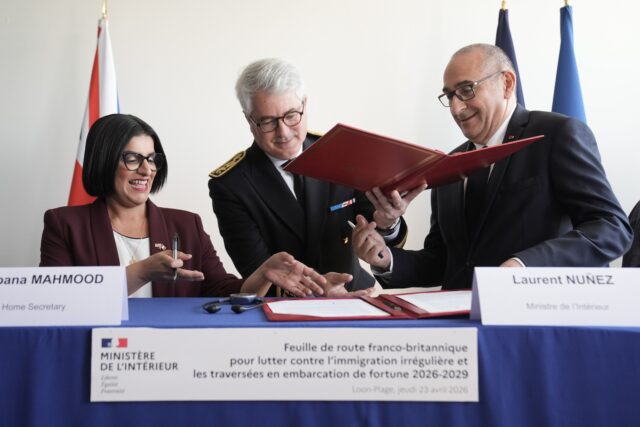
According to The Telegraph, the involvement of Mahmood in rewriting the deal signals a desire for a more pragmatic, results-oriented approach. The government is attempting to distance itself from the “failed” labels associated with previous iterations by presenting the rewrite as a corrective measure based on operational reality.
This shift is also a response to the persistent numbers of small boat crossings. Despite various deterrents, the route remains active. The government’s hope is that by ensuring removed migrants do not return, they can break the financial model of the smuggling gangs who profit from repeated attempts.
The Role of French Cooperation
France has historically been hesitant to accept large numbers of migrants who have already reached the UK, viewing the UK as the final destination. The “one in, one out” treaty was a compromise to ensure France did not bear an unfair burden. The rewrite must therefore balance the UK’s demand for “no returns” with France’s demand for a fair distribution of migrants. This diplomatic tightrope is a central part of the current negotiations.
Potential consequences of the treaty rewrite
The success of the rewritten treaty will be measured by a single metric: the number of previously deported migrants who are caught attempting to re-enter the UK. If the new measures work, it could lead to a decrease in the overall number of Channel crossings by removing “repeat offenders” from the pool of potential travelers.
However, several risks remain:
- Legal Challenges: Human rights organizations may challenge the stricter enforcement measures, particularly if they lead to prolonged detention in France.
- Smuggling Adaptation: Smuggling gangs often adapt to new border measures, potentially finding new embarkation points or using different methods to bypass French surveillance.
- Diplomatic Friction: If the UK pushes France too hard to police its coastline, it could strain other areas of the bilateral relationship.
From a strategic perspective, this rewrite is an attempt to find a middle ground between the previous government’s Rwanda plan and a purely administrative approach to border control. By focusing on the “one in, one out” treaty, the current government is betting on bilateral diplomacy rather than third-country removals.
For more on the legal frameworks governing these moves, see our related explainer on international asylum law.
Comparing media perspectives on the treaty rewrite
The reporting on the UK and France rewrite ‘one in one out’ treaty to stop removed migrants returning – The Guardian topic varies significantly across the UK media landscape, reflecting different editorial priorities.
The Guardian and The Times tend to treat the event as a policy adjustment—a “rewrite” or “renegotiation” intended to improve efficiency. Their focus is on the diplomatic process and the administrative changes to the treaty. In contrast, The Sun and GB News use more urgent, critical language. The Sun’s focus on migrants “sneaking back” emphasizes a lack of control, while GB News suggests the government was “forced” into the move, implying a reactive rather than proactive strategy.
This disparity highlights a core tension in the public discourse: is the rewrite a sign of a government refining its strategy, or is it an admission that the fundamental approach to Channel migration is flawed? The facts remain consistent—the treaty is being changed because removed migrants were returning—but the framing differs between “policy evolution” and “failure management.”
Common misconceptions about the ‘one in one out’ system
There is often confusion regarding what “one in, one out” actually means in a legal context. It is not a literal trade of human beings in a transactional sense, but rather a framework for managing the volume of returns and admissions to ensure neither country is overwhelmed.
Misconception 1: It is a simple deportation deal.
In reality, it is a complex treaty involving asylum laws, European human rights conventions, and bilateral diplomatic agreements. Not every migrant can be returned under this deal; it only applies to specific categories of individuals.
Misconception 2: The rewrite will immediately stop all crossings.
The rewrite specifically targets removed migrants. It does not address the initial arrivals or the root causes of migration from outside Europe. It is a tool for managing returns, not a total blockade of the English Channel.
Misconception 3: France is fully compliant with the original deal.
Reports suggest that France’s ability to prevent re-entry was limited. The rewrite is as much about French operational capacity as it is about British legal demands.
FAQ: Understanding the UK-France Migrant Treaty Rewrite
Why is the UK rewriting the ‘one in one out’ treaty?
According to reports from The Sun and The Telegraph, the UK is rewriting the treaty because the previous version failed to prevent deported migrants from returning to the UK. The goal is to close loopholes that allowed individuals to sneak back across the Channel after being removed.
Who is leading the renegotiation of the deal?
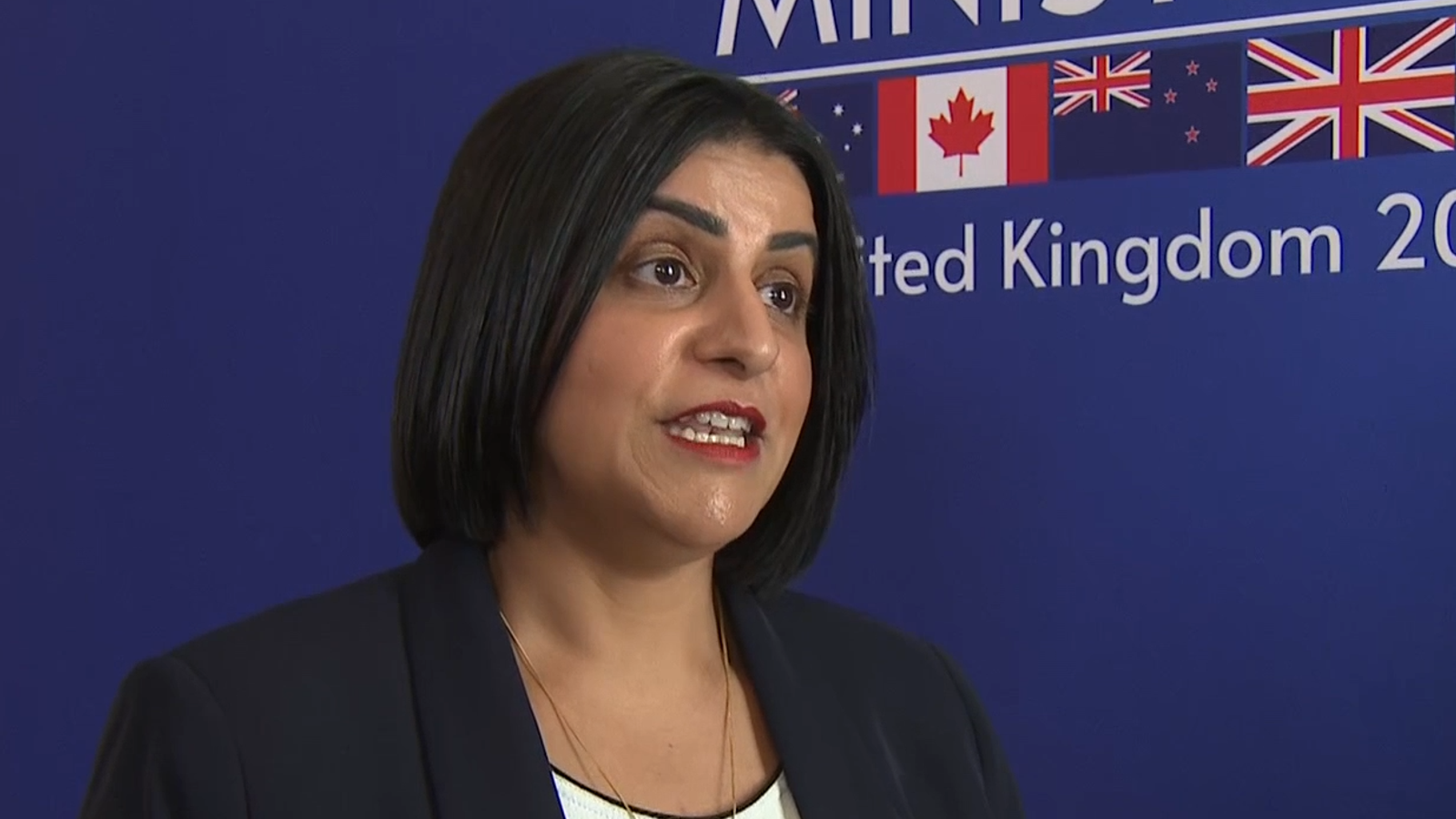
Reports from The Telegraph indicate that Mahmood is playing a key role in rewriting the “one in, one out” agreement to ensure the new terms stop migrants from returning to the UK.
What does ‘one in, one out’ actually mean?
It refers to a bilateral agreement between the UK and France intended to balance the flow of migrants, where the return of an individual is managed within a structured framework to maintain stability in migrant numbers between the two nations.
Will this stop all small boat crossings?
No. The rewrite specifically targets the “revolving door” effect where people already deported return to the UK. It does not eliminate the initial incentive for migrants to cross the Channel from other regions.
How does this differ from the previous government’s policies?
Unlike the Rwanda plan, which sought to move migrants to a third country, this rewrite focuses on strengthening a bilateral treaty with a neighboring EU member state (France) to improve the efficiency and permanence of removals.
The outcome of these negotiations will likely determine the viability of the UK’s current strategy for managing the English Channel. As the rewritten treaty is implemented, the focus will shift to whether French authorities can effectively police the coast and whether the UK can sustain the diplomatic pressure required to keep the agreement functional.
