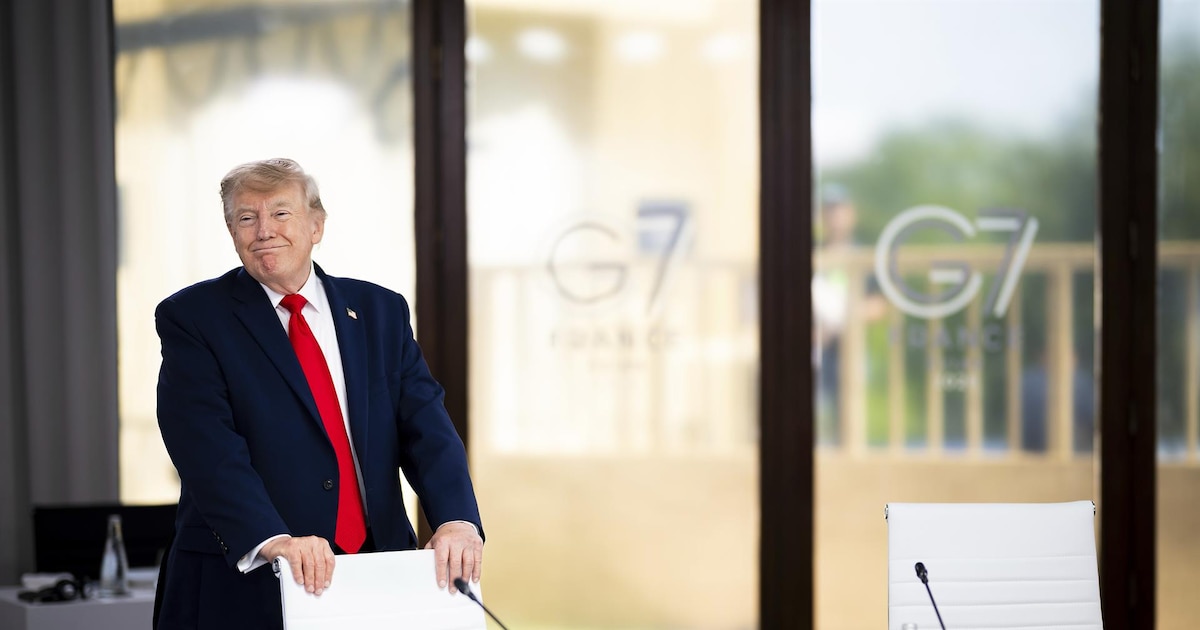
A rare diplomatic breakthrough in nuclear negotiations has unfolded as U.S. President Donald Trump claims Iran has agreed to “exhaustive inspections” of its arms programs to ensure “nuclear honesty,” a claim Teherán swiftly denied as part of any new negotiations.
The White House announcement—made during talks in Switzerland—contrasts sharply with Iran’s official position, which Infobae reports was never discussed in the closed-door meetings. Iranian officials have insisted no new nuclear commitments were made, while the Jerusalem Post notes Teherán has invited inspectors from the International Atomic Energy Agency (IAEA) and the U.S. to visit facilities handling enriched uranium.
What Trump Said vs. What Iran Denied
Trump’s statement, delivered via social media, framed the development as a potential step toward “permanent denuclearization,” a phrase that has become central to U.S. policy under his administration. “Iran will be accepting exhaustive inspections of its arms with the goal of guaranteeing nuclear honesty,” he wrote, adding that the Strait of Hormuz remains open for international shipping—a direct response to earlier tensions in the region.
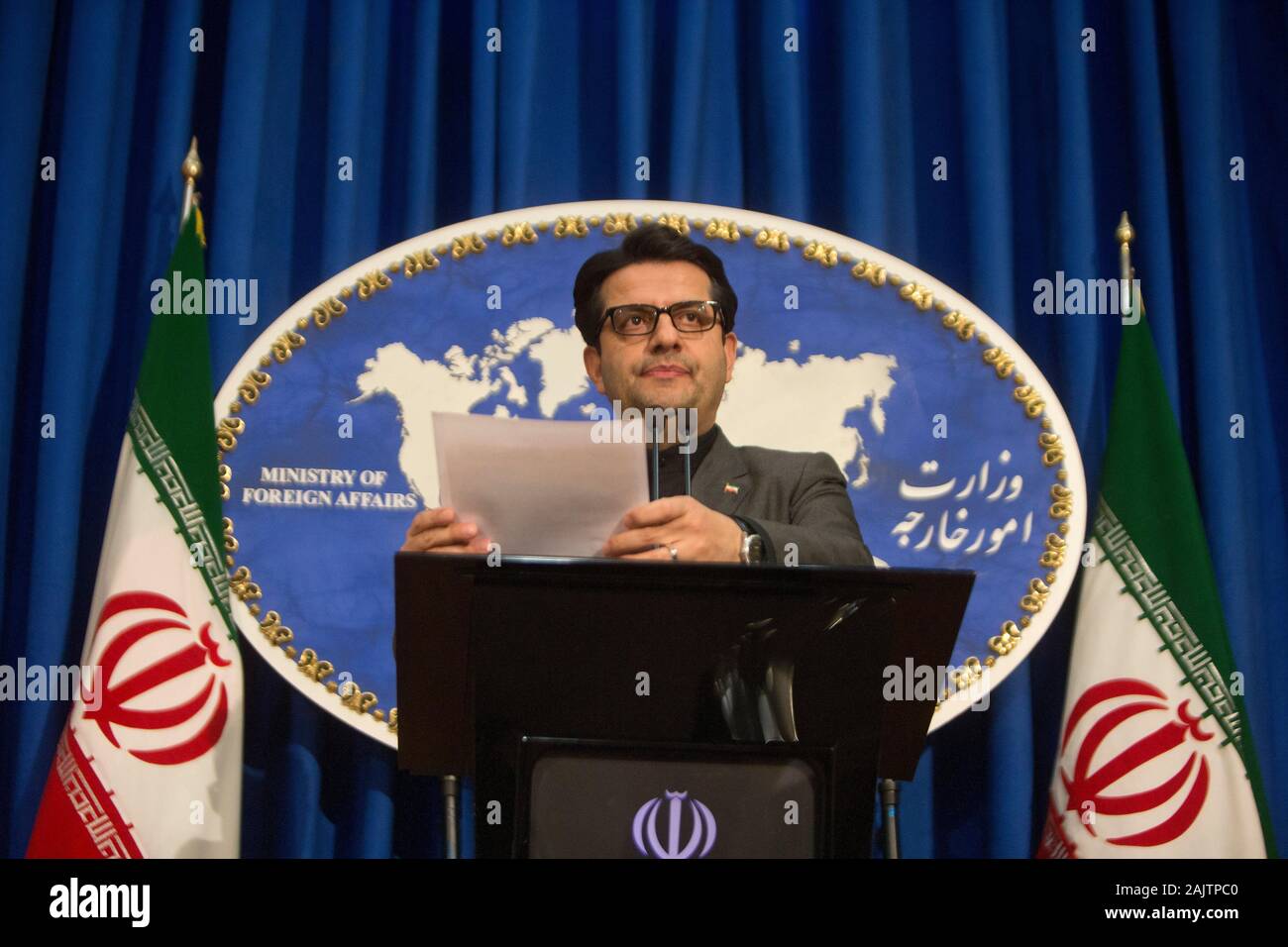
Yet Iranian Foreign Ministry spokesman Abbas Mousavi rejected the claim outright, telling state media that no new nuclear agreements were negotiated. “There was no discussion of the nuclear file during the talks,” he said, according to Xinhua Español. The discrepancy highlights the fragile trust between the two nations, even as the IAEA prepares to return to Iran for inspections—a move U.S. Vice President Mike Pence confirmed as part of a broader push for transparency.
Why This Matters in the Broader Context
The latest exchange comes amid escalating tensions over Iran’s nuclear program, which has been a flashpoint in U.S.-Iran relations since the 2015 Joint Comprehensive Plan of Action (JCPOA), or Iran nuclear deal. Trump withdrew the U.S. from the agreement in 2018, reimposing sanctions that Iran has since accused of violating its economic sovereignty.
This time, however, the dynamics appear different. Iran’s invitation to inspectors—while not a formal concession—signals a potential shift in strategy. The Jerusalem Post reports that Tehran has specifically extended access to facilities where uranium enrichment occurs, a process that could be monitored under IAEA protocols. Meanwhile, Pence’s confirmation that the Strait of Hormuz remains open suggests a calculated effort to ease shipping concerns, a critical economic artery for global oil markets.
Yet the lack of a formal agreement leaves key questions unanswered. France 24 notes that while Trump’s framing emphasizes “permanent denuclearization,” Iranian officials have historically resisted such language, preferring incremental steps. The absence of a written deal also raises concerns about whether any progress could unravel if diplomatic relations sour further.
What Happens Next: The IAEA’s Role and Public Statements
The next critical phase will hinge on the IAEA’s verification process. According to MSN, the agency’s return to Iran—confirmed by Pence—could begin as early as this week, with inspectors assessing compliance with existing safeguards. If inspections proceed without incident, it could mark the first tangible sign of cooperation since Trump’s 2018 withdrawal.
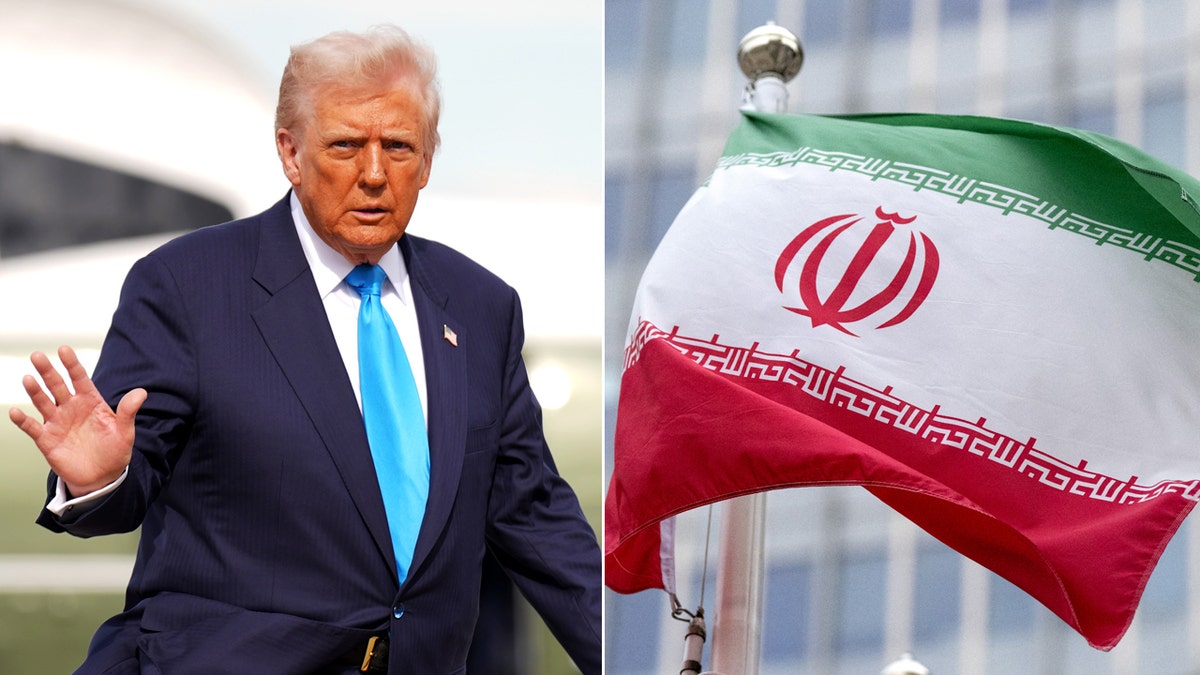
Public statements from both sides will also be closely watched. Trump’s social media posts have historically framed nuclear negotiations as a personal victory, while Iranian leaders often respond through state media, avoiding direct engagement with U.S. officials. The contrast in messaging—one side claiming a breakthrough, the other denying any new terms—underscores the challenges ahead.
For now, the focus remains on whether inspections will yield concrete results or simply delay deeper divisions. The Strait of Hormuz’s status as a shipping lane, meanwhile, serves as a reminder of the high stakes: any disruption could trigger a regional crisis, while stability could ease tensions in one of the world’s most volatile areas.
