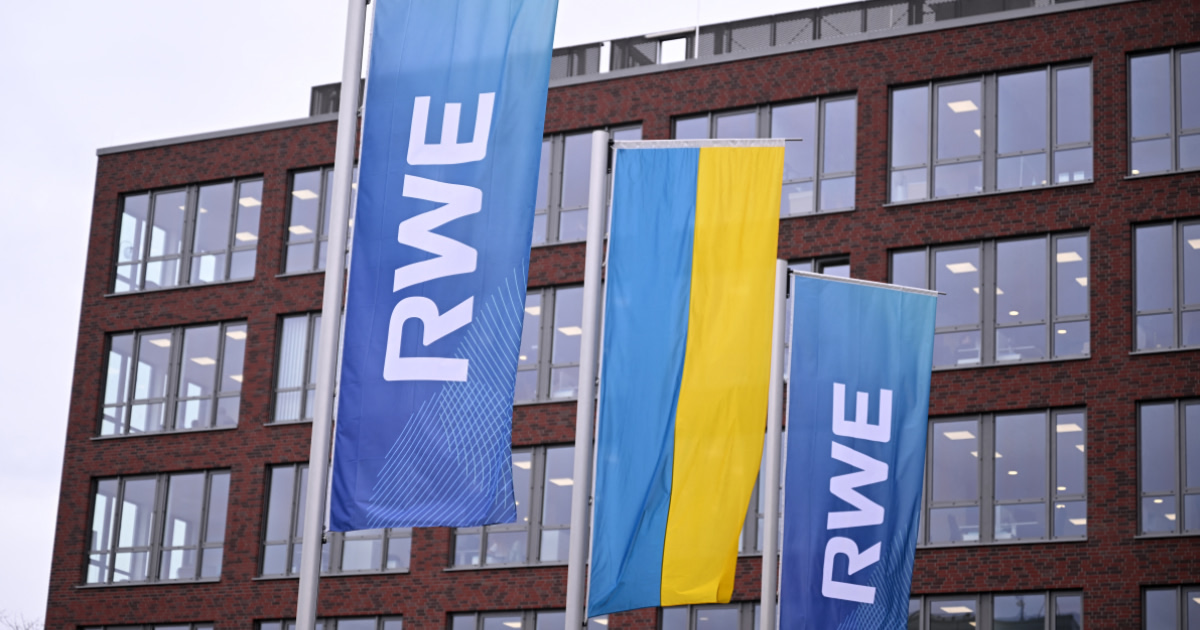
RWE secures majority stake in Amprion for €3.6 billion, backed by Qatar and Norway—boosting Germany’s grid expansion but raising questions about energy transition funding.
Germany’s energy giant RWE has agreed to acquire a controlling stake in grid operator Amprion for €3.6 billion, a deal financed partly by investors from Qatar and Norway. The transaction, announced alongside a €1.5 billion capital increase for RWE, underscores the company’s push to strengthen its position in Germany’s power transmission network as the country accelerates its shift to renewables.
Amprion, which operates the country’s high-voltage grid, welcomed the investment, calling it a vote of confidence in Germany’s energy infrastructure. However, the move comes as RWE faces scrutiny over its role in the transition from fossil fuels to clean energy, with critics questioning whether such deals divert funds from climate goals.
Why This Deal Matters for Germany’s Energy Grid
The acquisition gives RWE majority control over Amprion’s M31 project—a critical €1.5 billion expansion of Germany’s high-voltage network to integrate more wind and solar power. Without upgrades like M31, Germany risks bottlenecks that could slow its renewable energy rollout, according to industry reports.
Financing for the deal includes €1 billion from Qatar Investment Authority and €500 million from Norway’s sovereign wealth fund, signaling international confidence in Germany’s energy transition. Yet the capital raise also reflects RWE’s need to shore up its balance sheet amid rising debt and regulatory pressures.
How the Capital Raise Works—and What It Means for Investors
RWE’s €1.5 billion equity placement, completed through an accelerated offering, will dilute existing shareholders but strengthen the company’s financial flexibility. The proceeds will fund the Amprion stake purchase and support RWE’s broader grid and renewable energy investments.
Analysts note the deal could stabilize RWE’s stock, which has struggled amid broader European utility sector challenges. However, the capital raise comes at a time when Germany’s energy sector is grappling with higher borrowing costs and political debates over state support for grid expansions.
Regulatory and Political Challenges Ahead
While Amprion’s board approved the transaction, German regulators will scrutinize whether the deal aligns with the country’s energy transition goals. Past grid expansions have faced delays due to public opposition and bureaucratic hurdles, raising questions about whether M31 will proceed on schedule.
Environmental groups have criticized RWE’s continued reliance on fossil fuels, arguing that profits from coal and gas should fund renewable projects rather than grid operator stakes. The company has pledged to exit coal by 2030 but remains Germany’s largest power producer.
What Happens Next: Timeline and Market Impact
RWE expects to finalize the Amprion acquisition by mid-2025, pending regulatory approval. The capital raise is set to close by year-end, with proceeds allocated to the deal and other infrastructure projects.
Market reactions have been mixed: RWE’s stock dipped slightly following the announcement, reflecting investor concerns over dilution, while Amprion’s shares rose on news of the strategic partnership. Analysts suggest the deal could benefit grid operators but may pressure RWE’s dividend policy in the near term.
For Germany’s energy transition, the stakes are high. Success in projects like M31 will determine whether the country can meet its 2035 coal phase-out target and 80% renewable energy goal by 2030.
