Israel Declares Permanent Military Security Zone in Southern Lebanon—What It Means for Hezbollah and Regional Stability
Israel’s military has formally announced plans to maintain a permanent security zone along its northern border with Lebanon, escalating tensions with Hezbollah and raising questions about the future of stability in the region. The move comes as Israeli officials—including Prime Minister Benjamin Netanyahu, Defense Minister Yoav Gallant, and Finance Minister Bezalel Smotrich—reiterate their commitment to preemptive action against threats from the Iran-backed militant group, despite recent diplomatic efforts to de-escalate violence. Analysts warn the decision could deepen the conflict, while Lebanon’s government and Hezbollah dismiss the zone as a violation of sovereignty. Here’s what the announcement means for the war in Gaza, the U.S.-Iran talks, and the broader Middle East.
Key points:
- A formal Israeli military directive establishes a “security zone” in southern Lebanon, effectively extending control into disputed territory.
- Netanyahu and senior officials insist Israel will act “decisively” to counter Hezbollah threats, rejecting any limits on military operations.
- The move follows weeks of cross-border clashes and raises concerns about a wider regional war.
- Lebanon’s government and Hezbollah deny any legitimacy to the zone, calling it an occupation.
- U.S. and international mediators are monitoring the situation closely as Iran’s regional influence grows.
—
What Is Israel’s New Security Zone in Southern Lebanon?
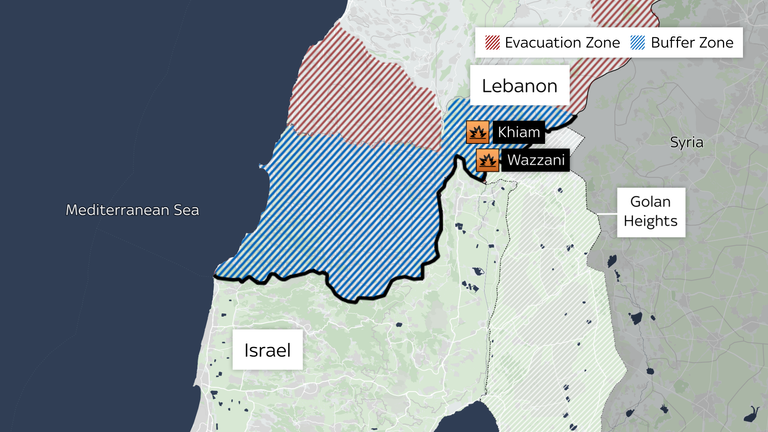
Israel’s military has ordered troops to maintain a permanent security buffer in southern Lebanon, a move that effectively redraws the de facto border between the two countries. The zone—estimated to span roughly 10 to 15 kilometers deep along Israel’s northern frontier—is justified by Israeli officials as a necessary response to repeated Hezbollah rocket attacks and infiltration attempts since the start of Israel’s war in Gaza.
According to Israeli defense sources, the directive was issued after a series of escalations, including Hezbollah’s cross-border raids in April and May, which killed Israeli soldiers and prompted retaliatory airstrikes. While Israel has historically relied on temporary buffer zones during conflicts, this announcement marks a shift toward a long-term military presence, effectively treating the area as contested territory.
Key details:
- The zone’s exact boundaries remain unofficially defined, with Israeli officials avoiding precise measurements to prevent Hezbollah from targeting specific areas.
- Israeli troops are instructed to patrol, monitor, and respond to any perceived threats, including drone surveillance and artillery positioning.
- The move does not represent a full-scale military occupation but signals Israel’s intent to deter Hezbollah operations without withdrawing.
- Lebanon’s government has condemned the zone, calling it a violation of the 2006 ceasefire agreement and international law.
Hezbollah, meanwhile, has rejected the concept entirely, framing it as an attempt to annex Lebanese territory. In a statement, the group’s military wing warned that any Israeli incursion would be met with “swift and decisive” retaliation, though it has not yet announced specific military responses.
—
Why Is Israel Taking This Step Now?
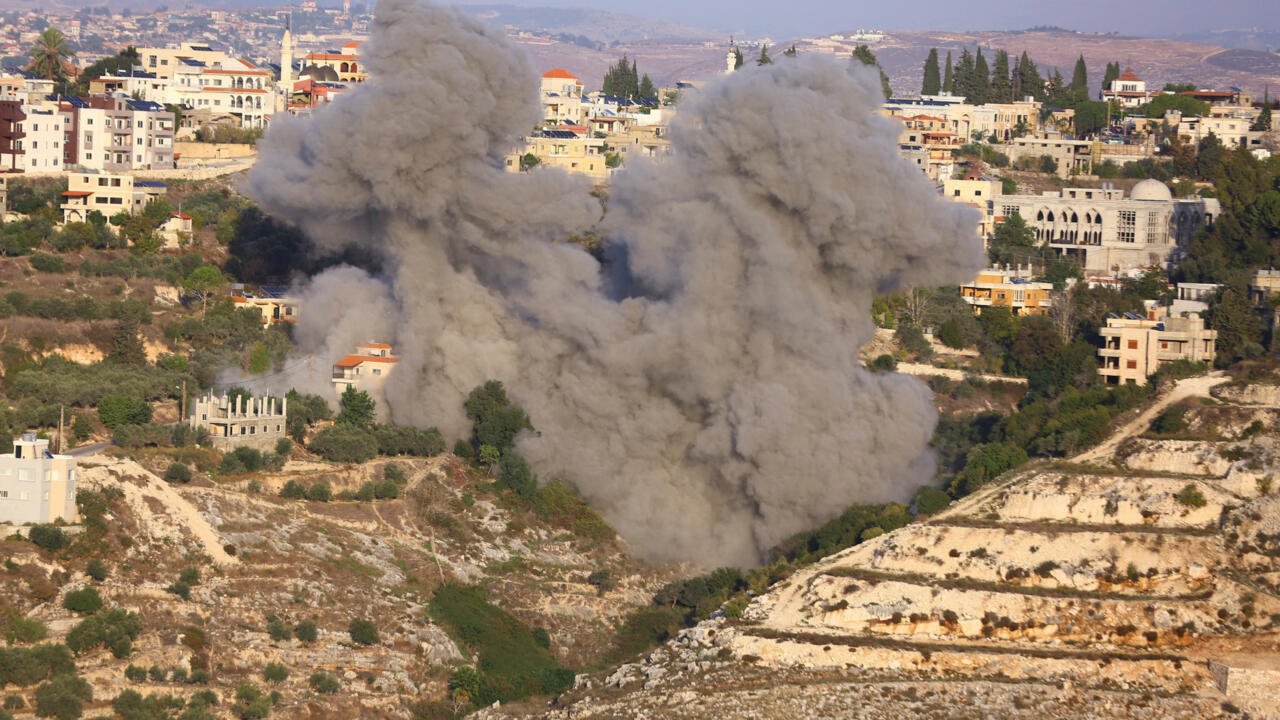
The timing of Israel’s announcement is directly tied to the war in Gaza and the rising threat from Hezbollah. Since October 2023, when Hamas launched its attack on southern Israel, Hezbollah has fired thousands of rockets into northern Israel and conducted armed drone and anti-tank missile strikes, killing at least 12 Israeli soldiers in cross-border clashes.
Israeli officials argue that without a permanent deterrent, Hezbollah would continue to expand its operations, potentially drawing Lebanon into a broader conflict. Prime Minister Netanyahu has repeatedly stated that Israel will “not allow Iran’s proxies to dictate terms”, framing the security zone as a necessary measure to protect civilians and military assets.
Three key factors explain the urgency:
- Escalation in Gaza: As Israel’s military campaign in Gaza intensifies, Hezbollah has increased its support for Palestinian factions, raising fears of a northern front opening.
- U.S.-Iran talks: Recent indirect negotiations between Washington and Tehran have raised hopes for a de-escalation deal, but Israeli officials remain skeptical, arguing that only military pressure can force Hezbollah to stand down.
- Internal Israeli politics: With Netanyahu’s government facing public pressure over the Gaza war, hardline factions—including Finance Minister Smotrich—have pushed for a more aggressive stance against Hezbollah to demonstrate strength.
Defense Minister Gallant, in a closed-door briefing, emphasized that the security zone is “not a declaration of war” but a “necessary precaution”. However, analysts warn that the move could provoke Hezbollah into further retaliation, especially if Israel’s military operations in Lebanon disrupt civilian life or damage infrastructure.
—
How Does This Compare to Past Israeli-Lebanese Conflicts?
Israel’s announcement echoes its military strategy during the 2006 Lebanon War, when it established a buffer zone along the border to prevent Hezbollah attacks. That conflict ended with a UN-brokered ceasefire, but no formal resolution to the underlying dispute over the Shebaa Farms territory, which both Israel and Lebanon claim.
| Conflict | Israeli Action | Hezbollah Response | Outcome |
|---|---|---|---|
| 2006 Lebanon War | Established a 10–15 km buffer zone; bombed Hezbollah positions | Launched thousands of rockets into northern Israel; kidnapped Israeli soldiers | UN ceasefire; no territorial changes; Hezbollah retained weapons |
| 2008–2023 (Post-War Period) | Occasional airstrikes and drone surveillance; no permanent zone | Gradual rearmament and border provocations | No major war, but low-intensity clashes continued |
| 2023–Present (Gaza War Spillover) | Permanent security zone; increased patrols and strikes | Escalated rocket fire and cross-border raids | Risk of wider war; no diplomatic solution in sight |
Unlike 2006, this time Israel is not seeking a full-scale invasion but rather a long-term military presence. However, the lack of a clear exit strategy raises concerns that the zone could become a permanent flashpoint, similar to Israel’s West Bank settlements or the Golan Heights, where military control has persisted for decades.
Expert perspective:
“This isn’t just about security—it’s about control,” said Dr. Aaron Stein, a fellow at the Washington Institute for Near East Policy. “Israel is sending a message that it won’t tolerate Hezbollah’s actions, but the problem is that Hezbollah sees this as an occupation and will respond accordingly.”
—
What Are Lebanon’s Government and Hezbollah Saying?
Lebanon’s internationally recognized government, led by Prime Minister Najib Mikati, has condemned Israel’s security zone as a “flagrant violation of Lebanese sovereignty”. In a statement, the Foreign Ministry called on the UN Security Council to intervene, arguing that the move “threatens regional stability”.
However, the government’s stance is complicated by Hezbollah’s dominant role in Lebanese politics. The militant group, which controls key ministries and security forces, has refused to distance itself from Israel’s accusations. Instead, Hezbollah’s leader, Hassan Nasrallah, has warned of “harsh consequences” if Israel persists in its operations.
Key reactions:
- Lebanon’s government: Demands UN intervention; calls for immediate withdrawal of Israeli forces.
- Hezbollah: Rejects the zone as “illegal occupation”; threatens “swift retaliation”.
- Iran: Supports Hezbollah’s position, framing Israel’s move as “aggression”.
- United States: Calls for de-escalation but stops short of criticizing Israel directly.
- Russia: Urges dialogue but has not taken a firm stance.
One critical factor is Lebanon’s economic collapse, which has left its military and security services weakened and underfunded. With 80% of the population living in poverty, many Lebanese civilians are indifferent or hostile to Hezbollah’s actions, raising questions about the group’s ability to mobilize public support for a prolonged conflict.
—
What Could Happen Next?
The immediate risk is a further escalation in cross-border violence. Israeli officials have signaled that they will not tolerate Hezbollah’s operations, while Hezbollah has made clear it will not back down. Analysts warn that even a limited exchange could spiral into a full-scale war, drawing in other regional players like Iran and Syria.
Three possible scenarios:
- Controlled de-escalation: If the U.S. and other mediators can broker a temporary ceasefire, both sides may avoid direct confrontation while negotiations continue.
- Limited conflict: Increased Israeli airstrikes or Hezbollah raids could lead to casualties and displacement, but not a full war.
- Wider regional war: If Hezbollah launches a major offensive or Israel conducts a ground operation, the conflict could expand to include Iran, Syria, or even Turkey.
Another critical variable is the U.S.-Iran talks. If Washington and Tehran reach an agreement to reduce tensions, Hezbollah may scale back its operations. However, Israeli officials have expressed skepticism, arguing that only military pressure can force Hezbollah to comply.
What to watch for:
- Hezbollah’s next military move: Will the group launch a large-scale attack or escalate rocket fire?
- Israeli military response: Will Israel expand its strikes or deploy ground forces?
- U.S. and international reaction: Will the U.S. impose sanctions or send additional troops to the region?
- Lebanese public opinion: Will civilians protest Hezbollah’s actions or support them?
—
Frequently Asked Questions
Is Israel planning to invade Lebanon?
No, Israel has not announced plans for a full invasion. Instead, it is establishing a permanent security buffer zone along its northern border to deter Hezbollah attacks. However, any major escalation could lead to a broader conflict.
Will the U.S. support Israel’s security zone?
The U.S. has not publicly endorsed the zone but has called for de-escalation. Washington is likely to monitor the situation closely and may pressure both sides to avoid war, though it has historically backed Israel’s right to self-defense.
Could this lead to a war with Iran?
Indirectly, yes. If Hezbollah and Israel further escalate, Iran—Hezbollah’s main sponsor—could increase its support for the group, raising the risk of direct Iranian involvement. However, a full-scale war with Iran remains unlikely unless Israel or the U.S. takes direct military action against Iranian forces.
What would happen if Hezbollah attacks Israel?
If Hezbollah launches a major offensive, Israel would likely respond with airstrikes and possibly ground operations in southern Lebanon. This could lead to civilian casualties, displacement, and a regional crisis, potentially drawing in other actors like Syria or Turkey.
Is Lebanon’s government powerless to stop Hezbollah?
Yes, in practice. While Lebanon’s government condemns Hezbollah’s actions, the militant group controls key security institutions and has veto power over major decisions. Without international intervention or a shift in Lebanese public opinion, the government has limited ability to counter Hezbollah’s military moves.
Could this security zone become permanent?
It’s possible. Israel has no clear plan to withdraw from the zone, and Hezbollah has shown no willingness to negotiate over its removal. If the conflict drags on, the zone could become a de facto border, similar to Israel’s West Bank settlements or the Golan Heights.
—
For further reading:
- How the 2006 Lebanon War set the stage for today’s tensions
- The role of Iran in funding Hezbollah’s military
- Why Lebanon’s economic crisis limits its government’s options
- The history of Israel’s buffer zones along its borders
