Typhoon Francisco Strengthens as Signal No. 1 Warnings Blanket Northern Luzon—What You Need to Know
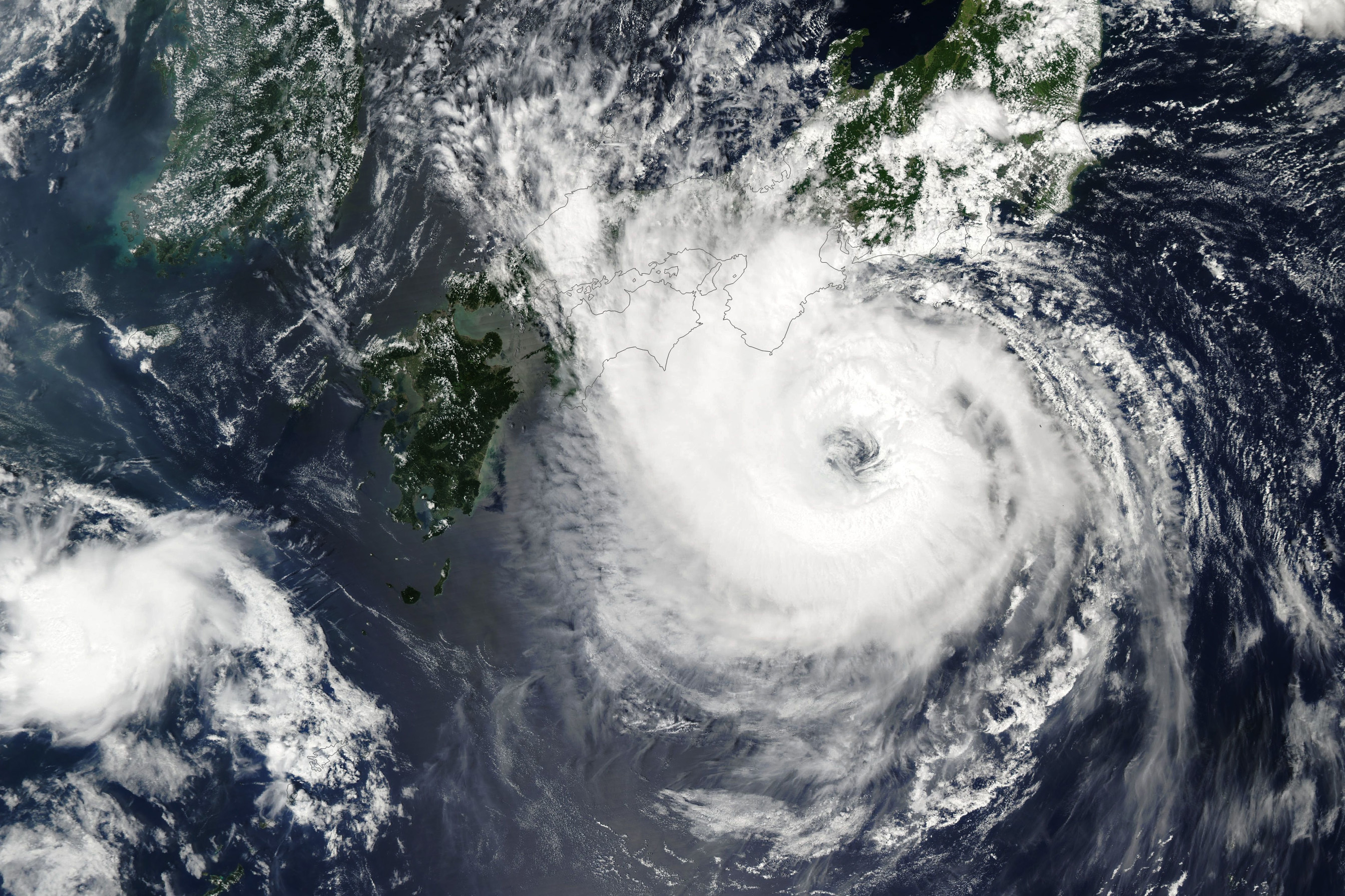
The Philippines’ northernmost regions are under Signal No. 1 warnings as Typhoon Francisco maintains its strength near the country’s eastern seaboard, while a second storm system looms in the Pacific. With winds still exceeding 100 kilometers per hour, the typhoon is expected to enhance the southwest monsoon, bringing heavy rains and rough seas to vulnerable coastal communities. Authorities have urged residents in high-risk areas to prepare for potential flooding and landslides as the storm’s trajectory remains under close watch.
Here’s what’s happening, who’s affected, and what to watch next.
—
Typhoon Francisco’s Latest Status: Still a Powerful Storm
As of the latest updates, Typhoon Francisco—formerly a super typhoon—has weakened slightly but remains a formidable storm with sustained winds of around 110 km/h and gusts reaching up to 140 km/h, according to the Philippine Atmospheric, Geophysical and Astronomical Services Administration (PAGASA). The typhoon is currently located about 500 kilometers east of Northern Luzon, moving westward toward the Philippine Sea.
While PAGASA has downgraded Francisco from its peak intensity, the storm’s outer rainbands are already lashing parts of the eastern Visayas and Bicol regions, with Signal No. 1 warnings in effect for:
- Northern Luzon (including Cagayan, Isabela, and Aurora)
- Eastern Visayas (Samar, Leyte, and Biliran)
- Bicol Region (Camarines Sur, Albay, and Catanduanes)
Key points:
- Francisco is expected to exit the Philippine Area of Responsibility (PAR) by early next week, but its remnants will continue to enhance the southwest monsoon, bringing prolonged rain to western Luzon.
- Another tropical disturbance, designated 90W, is being monitored in the Pacific, with a 50% chance of developing into a tropical depression within 24 hours.
- Coastal communities in Northern Luzon face the highest risk of storm surges and flash floods due to the storm’s slow movement.
PAGASA meteorologist Dr. Gliceria dela Cruz warned that Francisco’s interaction with the monsoon could lead to “significant rainfall” in the coming days, particularly in areas already recovering from previous typhoons.
—
Why Signal No. 1 Warnings Matter—and What They Mean for Residents
Signal No. 1 warnings indicate that tropical cyclone winds of 30–60 km/h are possible within 36 hours. While this is the lowest alert level, it still signals potential disruptions:

- Travel delays: Coastal and air travel may be affected as winds pick up.
- Flooding risks: Heavy rains can overwhelm drainage systems, especially in urban areas.
- Landslides: Mountainous regions like Isabela and Cagayan remain prone to mudslides.
- Power outages: Weakened trees and utility poles could lead to localized blackouts.
Local government units (LGUs) in Northern Luzon have begun preemptive measures, including:
- Evacuating residents in low-lying and high-risk areas.
- Deploying disaster response teams to monitor river levels and coastal erosion.
- Suspending classes and work in government offices in high-alert zones.
In Isabela, Governor Fausto Vergara announced the activation of provincial disaster councils, while Aurora has pre-positioned relief goods in evacuation centers. Meanwhile, Cagayan Valley remains on high alert after Typhoon Ramon left parts of the region underwater just weeks ago.
What residents should do:
- Secure loose items and reinforce windows.
- Avoid crossing flooded roads.
- Charge electronic devices and prepare emergency kits.
- Stay updated via official PAGASA bulletins or local radio broadcasts.
—
How Francisco’s Path Compares to Recent Typhoons—and What’s Different This Time
Francisco’s trajectory raises questions about how it stacks up against recent typhoons that have hit the Philippines. Unlike Typhoon Ramon, which made landfall in Northern Luzon in December 2023 and caused catastrophic flooding, Francisco is expected to remain offshore, sparing the region a direct hit. However, its interaction with the monsoon could still bring prolonged rain to western Luzon—a scenario similar to Typhoon Paeng (Rosita) in 2022, which enhanced the southwest monsoon and triggered landslides in Metro Manila.
Key differences:
| Typhoon | Peak Intensity | Landfall? | Monsoon Enhancement | Notable Impact |
|---|---|---|---|---|
| Francisco (2024) | 140 km/h (super typhoon peak) | No (offshore) | Moderate (western Luzon) | Signal No. 1 warnings, enhanced rains |
| Ramon (2023) | 120 km/h | Yes (Northern Luzon) | Minimal | Widespread flooding, 10+ fatalities |
| Paeng (2022) | 185 km/h (super typhoon) | No (offshore) | Strong (Metro Manila) | Landslides, power outages |
While Francisco is not expected to match the destructive force of Ramon or Paeng, meteorologists warn that its prolonged presence near the Philippines could still lead to secondary hazards, such as:
- Coastal erosion: Waves up to 4 meters high are forecast along eastern Luzon.
- Delayed recovery: Areas still repairing from Ramon may face renewed flooding.
- Agricultural losses: Rice and corn farms in Northern Luzon could suffer crop damage.
Dr. Vicente Malano, a climate resilience expert at the University of the Philippines, noted that “the cumulative effect of back-to-back storms is what makes these events more dangerous than a single typhoon.” He pointed to data showing that Northern Luzon has seen three typhoons in the past six months, exceeding the historical average.
—
What’s Next: The Storm’s Exit—and a New Threat on the Horizon
Francisco is expected to weaken further as it moves into the South China Sea by Friday, April 19. However, its remnants will continue to interact with the southwest monsoon, bringing sporadic rain to:

- Western Luzon (including Metro Manila)
- Central Luzon (Pampanga, Tarlac)
- Southern Tagalog (Batangas, Cavite)
Meanwhile, the tropical disturbance 90W—currently located near Guam—is being closely monitored. If it develops into a tropical depression, it could follow a similar path to Francisco, potentially affecting the Visayas or Mindanao. PAGASA has issued a tropical cyclone formation alert, advising coastal communities to remain vigilant.
Projected timeline:
- Today (April 18): Francisco’s outer bands bring scattered showers to Northern Luzon.
- April 19–20: Monsoon rains intensify in western Luzon; Signal No. 1 warnings may be extended.
- April 21 onward: Francisco exits PAR; focus shifts to 90W’s development.
In a press briefing, National Disaster Risk Reduction and Management Council (NDRRMC) spokesperson Mark Timbal urged communities to “avoid complacency,” emphasizing that even weaker storms can trigger disasters if combined with vulnerable infrastructure.
—
Common Questions About Typhoon Francisco—and How to Stay Safe
Q: Will Francisco make landfall in the Philippines?
A: No. PAGASA confirms Francisco will remain offshore, but its outer rainbands will still affect Northern Luzon. The biggest risk comes from enhanced monsoon rains, not direct winds.
Q: How long will the Signal No. 1 warnings last?
A: Current forecasts suggest warnings will remain in effect through April 20, with possible extensions if Francisco lingers near the PAR.
Q: Should I evacuate if I’m in a low-lying area?
A: Authorities recommend evacuating if you’re in a flood-prone zone, even under Signal No. 1. Check with your local disaster office for specific advisories.
Q: Can I still travel by air or sea?
A: Coastal and air travel may be disrupted, especially in high-risk areas. Airlines and ferry operators have been advised to monitor conditions closely.
Q: What’s the difference between a typhoon and a tropical storm?
A: A typhoon has sustained winds of 118 km/h or higher, while a tropical storm ranges from 62–117 km/h. Francisco is currently a typhoon but is expected to weaken.
Q: How can I prepare for monsoon rains?
A: Clear gutters, reinforce windows, and stock up on non-perishable food, water, and batteries. Avoid wading through floodwaters, as just 6 inches of moving water can knock you down.
—
As Francisco continues its slow drift westward, residents in Northern Luzon face a delicate balance between vigilance and daily life. While the storm may spare the region a direct hit, the enhanced monsoon and potential secondary hazards demand careful preparation. With another storm system brewing in the Pacific, the coming days will test the Philippines’ disaster resilience once again.
For real-time updates, monitor:
- PAGASA’s official typhoon bulletins
- Local government advisories via radio or SMS alerts
- NDRRMC’s disaster response updates
Stay safe.
