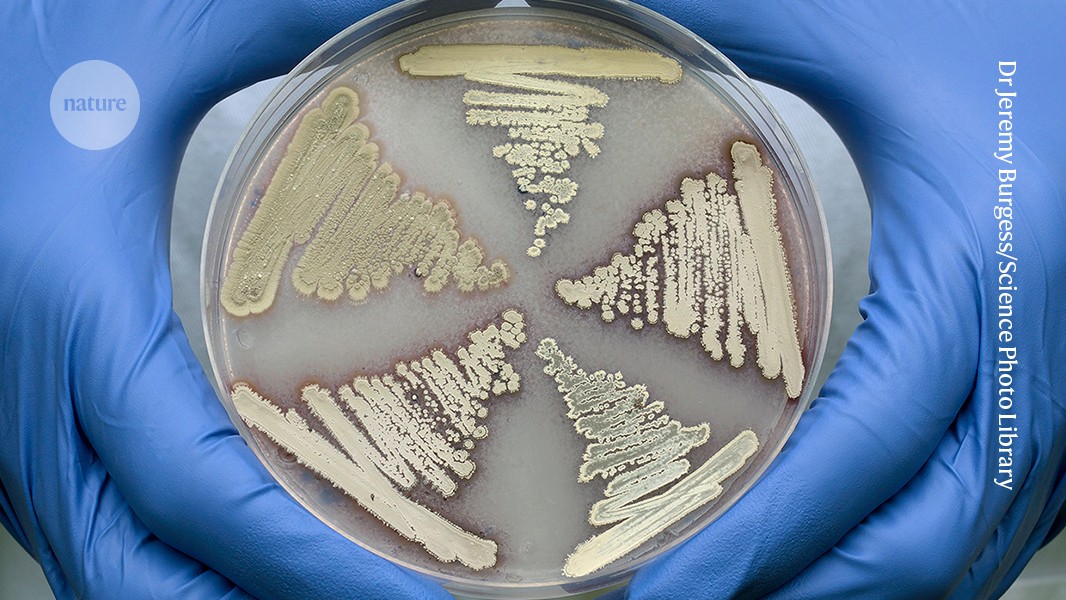
Antibiotic Cocktail Made by Soil Bacteria Can Kill Superbugs, Nature Study Finds
Soil bacteria from the genus Streptomyces produce a “megacluster” of genes that generate a synergistic cocktail of antibiotics targeting biotin synthesis, according to a study published in Nature. This biological arsenal attacks a metabolic vulnerability in drug-resistant “superbugs,” effectively killing bacteria that have evolved to survive traditional single-target antibiotic treatments.
How does the Streptomyces megacluster fight superbugs?
Researchers identified a massive group of linked genes, termed a “megacluster,” within Streptomyces bacteria found in soil. According to the study published in Nature, this megacluster does not produce a single drug but rather a coordinated suite of multiple antibiotics that work in tandem. This “cocktail” approach allows the bacteria to overwhelm pathogens by attacking them from several angles simultaneously.
The primary mechanism involves the disruption of biotin production. Biotin, a B-vitamin, is essential for the survival of many bacteria. By blocking the synthesis of this vitamin, the Streptomyces cocktail starves the target superbugs of a critical nutrient, leading to cell death. This differs from most commercial antibiotics, which typically target the cell wall or protein synthesis.
Key aspects of the megacluster discovery include:
- Genetic Complexity: The megacluster contains a vast array of genes that encode for multiple distinct but related antibiotic molecules.
- Synergistic Effect: The individual components of the cocktail are more effective when used together than when administered alone.
- Broad Efficacy: The study indicates these compounds can kill various drug-resistant strains that are otherwise untreatable.
Why is biotin targeting considered a “hidden weak spot”?
Many drug-resistant bacteria have developed defenses against common antibiotics, such as beta-lactams or aminoglycosides. However, Earth.com reports that the biotin synthesis pathway represents a “hidden weak spot” because it is an essential metabolic process that bacteria cannot easily bypass. While some bacteria can absorb biotin from their environment, many pathogenic superbugs rely on internal synthesis to survive within a host.
By targeting the enzymes responsible for creating biotin, the Streptomyces cocktail bypasses the resistance mechanisms that superbugs use to pump out drugs or degrade them. Because biotin is fundamental to the bacteria’s energy metabolism, the inhibition of its production creates a lethal systemic failure within the bacterial cell.
The effectiveness of this approach is tied to the specific nature of the target. According to the Nature report, the synergistic nature of the antibiotics means they target multiple steps in the biotin production chain. If a bacterium develops a mutation to survive one component of the cocktail, the other components still block the pathway, preventing the emergence of resistance.
What is Manikomycin and is it overhyped?
Manikomycin is one of the potent compounds identified in these soil-bacteria studies. While it has gained significant attention in scientific circles and online platforms, some organizations have urged caution regarding the narrative surrounding its immediate clinical application. The American Council on Science and Health has questioned whether Manikomycin is a genuine breakthrough or a “YouTube sensation” that has been overhyped.
The tension between the laboratory results and clinical reality stems from the difficulty of moving a soil-derived cocktail into human trials. While the Nature study proves the compounds kill superbugs in a controlled environment, the American Council on Science and Health suggests that the path to a pharmacy shelf is long and fraught with potential failures in toxicity and delivery tests.
Comparing the perspectives on Manikomycin reveals a divide in scientific communication:
| Perspective | Focus | Core Argument |
|---|---|---|
| Academic/Nature Study | Mechanistic Breakthrough | The discovery of a megacluster proves that nature uses synergistic cocktails to fight resistance. |
| Science Communication (Earth.com) | Clinical Potential | The targeting of a “hidden weak spot” provides a new roadmap for killing untreatable bacteria. |
| Critical Review (ACSH) | Practical Implementation | Laboratory success does not equal a cure; caution is needed to avoid overhyping the drug’s current utility. |
How does a “cocktail” approach prevent antibiotic resistance?
The Faculty of Health Sciences at McMaster University notes that the “megacluster” strategy is a landmark discovery because it mimics how bacteria fight each other in nature. In the soil, Streptomyces are not fighting a sterile lab culture; they are fighting other evolving microbes. To survive, they evolved to produce multiple drugs at once.
When a human uses a single antibiotic, the bacteria only need one successful mutation to become resistant. This creates a selective pressure that rapidly breeds superbugs. In contrast, a synergistic cocktail requires the bacteria to develop multiple, simultaneous mutations to survive. The statistical probability of a bacterium evolving several specific resistances at once is significantly lower.
This biological strategy involves several layers of defense:
- Multi-Targeting: Attacking different enzymes within the same metabolic pathway.
- Cooperative Inhibition: Some molecules in the cocktail may weaken the bacterial cell membrane, allowing other molecules to enter more easily.
- Pathway Blockage: Ensuring that no “leakage” of the essential nutrient (biotin) occurs through alternative biological routes.
This discovery suggests that the future of pharmacology may move away from the “one drug, one target” model toward “combinatorial therapy” derived from natural genetic clusters.
What are the implications for future drug development?
The discovery of the Streptomyces megacluster provides a blueprint for “mining” soil for new medicines. For decades, scientists looked for single molecules. Now, according to the Nature study, the focus is shifting toward identifying entire gene clusters that produce synergistic sets of compounds.
This shift could lead to the development of synthetic cocktails that mimic the soil bacteria’s strategy. Instead of searching for a “silver bullet,” researchers can design “silver buckshot”—a variety of agents that ensure the pathogen cannot adapt. This is particularly critical for treating infections caused by Carbapenem-resistant Enterobacteriaceae (CRE) or Methicillin-resistant Staphylococcus aureus (MRSA), which have rendered many current treatments obsolete.
“The identification of these megaclusters reveals a sophisticated evolutionary arms race happening beneath our feet, providing a library of synergistic strategies that human medicine has largely ignored.”
However, the transition from soil to syringe involves significant hurdles. Researchers must ensure that blocking biotin synthesis in bacteria does not interfere with biotin functions in human cells. While bacteria synthesize their own biotin and humans must ingest it through diet, the enzymes targeted by the Streptomyces cocktail must be specific to the bacterial versions to avoid toxicity.
For more on how resistance develops, see a related explainer on antimicrobial resistance mechanisms.
Frequently Asked Questions
What is a bacterial megacluster?
A megacluster is a large group of genes located close together on a bacterial chromosome that work together to produce a complex set of related chemicals, such as a cocktail of different antibiotics. According to the Nature study, these clusters allow bacteria like Streptomyces to produce multiple synergistic drugs simultaneously.
How does the soil bacteria cocktail differ from standard antibiotics?
Standard antibiotics typically target one specific process, such as building a cell wall. The Streptomyces cocktail targets the synthesis of biotin, a vital vitamin. Because it uses multiple compounds to block this pathway, it is much harder for superbugs to develop resistance compared to a single-target drug.
Will this lead to a new cure for all superbugs?
While the results are promising, it is not an immediate cure. As noted by the American Council on Science and Health, laboratory success in killing bacteria does not always translate to success in human patients. The compounds must still undergo rigorous clinical trials to prove they are safe and effective in the human body.

What is the role of biotin in this discovery?
Biotin is a B-vitamin that bacteria need to function. The Streptomyces antibiotic cocktail inhibits the enzymes that bacteria use to create biotin. Without this vitamin, the bacteria cannot maintain their metabolism and die, making it an effective “weak spot” for attacking drug-resistant strains.
Why are Streptomyces bacteria used for this research?
Streptomyces are soil-dwelling bacteria known for being prolific producers of natural antibiotics. A large percentage of the antibiotics currently used in medicine were originally derived from these organisms, making them a primary source for discovering new antimicrobial strategies.
The discovery of the biotin-targeting megacluster underscores a shift in how science views the fight against antibiotic resistance. By studying the natural competition in soil ecosystems, researchers are finding that the most effective way to kill a superbug is not with a single powerful drug, but with a coordinated, multi-pronged attack. The success of these compounds in the lab marks a significant step toward a new generation of combinatorial therapies, provided they can clear the high bar of human clinical safety.
