
Vehicles Stranded, Schools Closed as Wintry Blast Brings Heavy Snow
Heavy snow and a severe cold blast have stranded vehicles and forced school closures across New Zealand’s South Island, according to reports from the NZ Herald and other regional outlets. The New Zealand Transport Agency (NZTA) has warned of temporary road closures, specifically impacting alpine passes like Porters Pass, as colliding weather systems bring gales, ice, and freezing fog to the region.
What is the current status of South Island road closures?
Transportation networks across the South Island are facing significant disruption. According to the NZTA, temporary road closures are a high risk as snow accumulates on key transit routes. Porters Pass is specifically identified as an area where snow is expected to fall, leading to warnings for motorists to prepare for sudden closures or delays.
The disruption extends beyond single passes. Newstalk ZB reports that snow warnings have been issued for multiple alpine passes, suggesting a systemic impact on South Island routes. These closures often occur when snow accumulation makes roads impassable or when visibility drops to dangerous levels, necessitating immediate intervention by road crews to ensure public safety.
For those traveling through these regions, the current conditions include:
- Porters Pass: High probability of snow and potential temporary closures per NZTA.
- Alpine Passes: General warnings for disruption and hazardous driving conditions.
- Regional Arterials: Increased risk of ice and freezing fog impacting travel times.
The impact on logistics is immediate. When alpine passes close, freight and commuter traffic are forced onto longer detour routes, which can lead to congestion on secondary roads not designed for heavy vehicle volumes.
Why are schools closing during this wintry blast?
School closures have been reported as a direct result of the heavy snow and plummeting temperatures. According to the NZ Herald, the severity of the “wintry blast” has made it unsafe for students and staff to commute to educational facilities.
Closures typically occur when local authorities determine that road conditions are too hazardous for school buses or private vehicles. In areas hit by the heaviest snow, the risk of vehicles becoming stranded—a phenomenon already reported in this weather event—makes the operation of school transport unfeasible. Additionally, the lack of heating in some older facilities or the inability of maintenance crews to clear snow from entrances can force administrative shutdowns.
“Vehicles stranded, schools closed as wintry blast brings heavy snow,” reports the NZ Herald, highlighting the widespread disruption to daily civic life.
These closures create a ripple effect across the community, as parents must find alternative childcare and local businesses may see a dip in foot traffic. The decision to close schools is generally made on a case-by-case basis by school boards in consultation with local emergency management offices.
Which regions are most affected by ice and freezing fog?
While snow is the most visible impact, other weather phenomena are causing severe hazards. The Otago Daily Times reports that the South Island has been hit by a combination of snow, ice, and “thick, freezing fog.”
Freezing fog is particularly dangerous for motorists because it simultaneously reduces visibility and creates “black ice” on road surfaces. Unlike heavy snowfall, which is obvious, freezing fog deposits a thin, transparent layer of ice that can cause vehicles to lose traction instantly. This has contributed to the reports of stranded vehicles across the southern regions.
The geographical focus of these conditions includes:
- Otago: Heavy concentrations of ice and freezing fog.
- Canterbury: Impacted by snow and alpine pass disruptions.
- Southland: Facing the brunt of the cold blast and gale-force winds.
The presence of thick fog often delays the clearing of roads, as snowplows and gritters must operate at significantly lower speeds to avoid collisions, prolonging the duration of road closures.
How did this weather system develop?
The current extreme weather is the result of a complex meteorological event. The NZ Herald describes the situation as a “cold blast” occurring as “weather systems collide across country.”
In meteorological terms, this usually involves the meeting of a cold polar air mass from the south and a warmer, moister air mass from the north. When these two systems collide, the warmer air is forced upward, cooling rapidly and condensing into precipitation. Because the air mass arriving from the south is exceptionally cold, this precipitation falls as snow rather than rain, particularly in higher elevations and southern latitudes.
The “gales” mentioned by the NZ Herald are a byproduct of the steep pressure gradient created by these colliding systems. High-pressure and low-pressure zones interacting closely result in high wind speeds, which can lead to “blizzard” conditions when combined with falling snow. This combination reduces visibility to near zero and causes snow to drift across roads, even in areas where the actual snowfall might be moderate.
Below is a summary of the atmospheric components contributing to the current crisis:
| Weather Element | Primary Cause | Direct Impact |
|---|---|---|
| Heavy Snow | Polar air mass meeting moist air | Road closures, school shutdowns |
| Freezing Fog | High humidity in sub-zero temperatures | Zero visibility, black ice formation |
| Gales | Steep pressure gradients | Snow drifting, structural damage |
| Ice | Rapid surface cooling | Stranded vehicles, hazardous walking |
What are the primary risks for stranded motorists?
With vehicles reported as stranded, emergency services are focusing on the risks associated with hypothermia and road accidents. According to the various reports, the combination of snow and gales creates an environment where drivers can quickly become trapped by drifting snow.
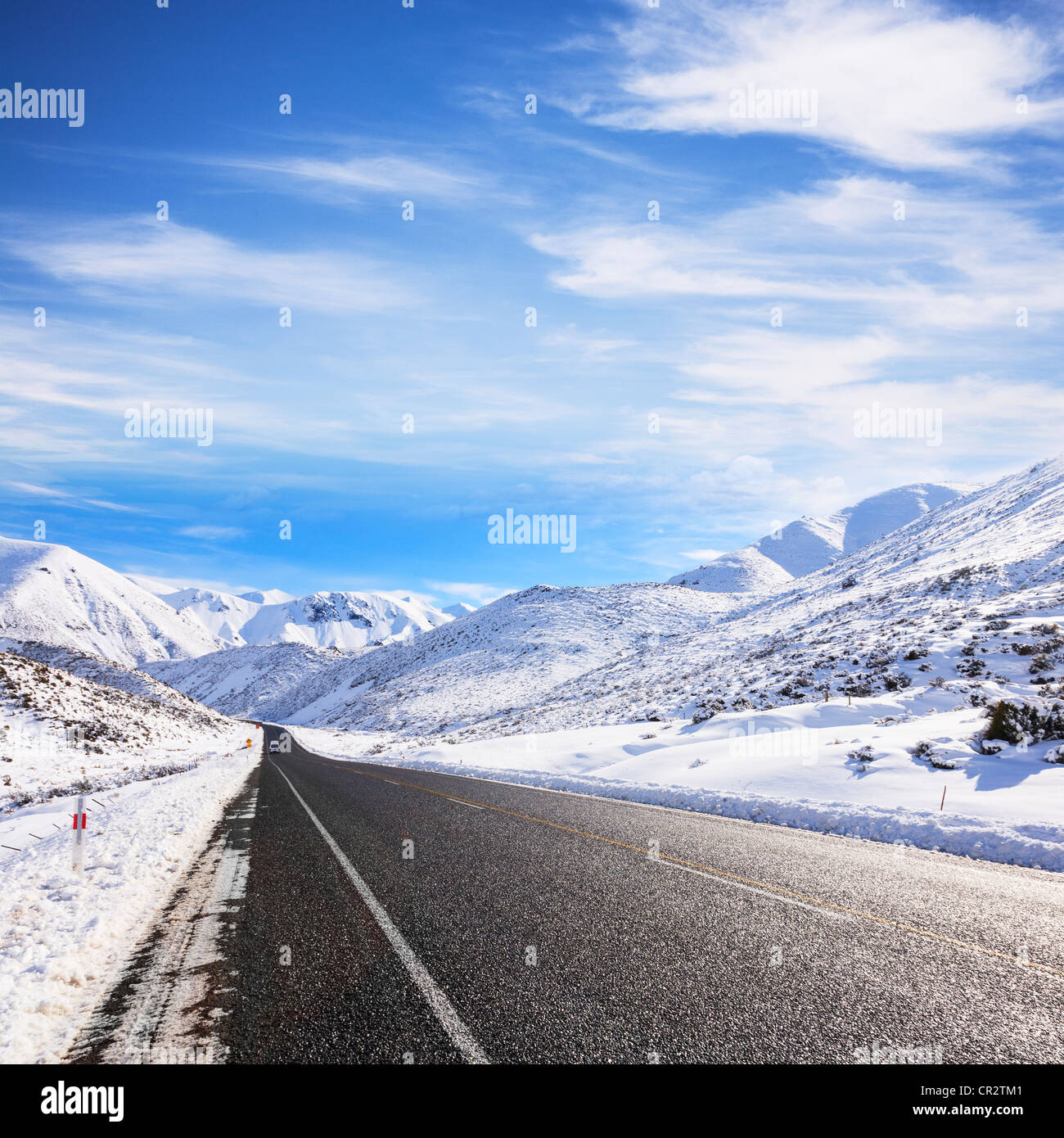
The primary risks include:
- Hypothermia: As temperatures drop during a “cold blast,” the interior of a vehicle can lose heat rapidly once the engine is turned off or fuel runs out.
- Carbon Monoxide Poisoning: A critical danger for stranded motorists is the blockage of the exhaust pipe by snow. If the engine is left running to provide heat while the exhaust is blocked, odorless carbon monoxide can leak into the cabin.
- Secondary Collisions: Stranded vehicles on alpine passes can become obstacles for other motorists, especially in “thick, freezing fog” where visibility is limited.
The NZTA and regional authorities advise motorists to carry emergency kits, including blankets, food, water, and a shovel, when traversing alpine routes during winter warnings. These precautions are essential because recovery times in remote areas like Porters Pass can be extended during severe weather events.
For more information on winter driving safety, you may find a related explainer on alpine road safety useful.
How does this event compare to typical New Zealand winters?
While snow is a seasonal expectation for the South Island, the specific combination of colliding weather systems described by the NZ Herald suggests a more volatile event than a standard cold snap. The simultaneous occurrence of gales, freezing fog, and heavy snow across multiple regions indicates a high-intensity system.
Typically, snow events are localized to the higher altitudes of the Southern Alps. However, the reports from the Otago Daily Times and NZ Herald suggest a broader impact that has reached lower-lying areas and disrupted essential services like schooling. This suggests a deeper penetration of polar air than is usually seen in moderate winter patterns.
The framing of the story across different outlets reveals the specific focus of the disruption:
- The Press focuses heavily on the infrastructure risk, highlighting the NZTA and Porters Pass.
- Otago Daily Times emphasizes the environmental hazards, such as the freezing fog and ice.
- NZ Herald provides the broad systemic view, linking the weather systems to the social impact of school closures.
This contrast shows that while the event is a single weather system, its effects are multifaceted, impacting transport, education, and public safety simultaneously.
What should residents and travelers do now?
Authorities are urging caution and preparation. For those in the affected South Island regions, the following steps are recommended based on official warnings:
For Travelers:
Check the NZTA website or official travel apps before departing. If a “snow warning” is in place for alpine passes, consider delaying travel or seeking alternative routes. Ensure vehicles are equipped with snow chains and that the driver knows how to use them.
For Residents:
Monitor local school notifications for closure updates. Ensure home heating systems are operational and that there are sufficient supplies of food and medicine, as heavy snow can occasionally block residential access roads.
For Those Already Stranded:
Stay with your vehicle. According to emergency guidelines, attempting to walk through deep snow or freezing fog can lead to disorientation and rapid heat loss. Use a signal or emergency beacon to alert authorities to your location.
The ongoing nature of the “cold blast” means that conditions can change rapidly. What begins as a light dusting of snow can quickly turn into a drift-heavy blizzard if gale-force winds intensify.
Frequently Asked Questions
Which roads are currently closed due to the snow?
While closures can change by the hour, the NZTA has issued warnings specifically for Porters Pass and other alpine passes in the South Island. Motorists are advised to check official NZTA updates for the most current road status.
Why are schools closed in the South Island?
Schools have closed because the wintry blast has made roads unsafe for travel, leading to the risk of stranded vehicles and accidents. Local authorities prioritize student and staff safety during severe snow and ice events.
:max_bytes(150000):strip_icc()/winding-road-leading-to-mount-cook-village--canterbury--south-island--new-zealand-760156021-bd19dfccc2de4ad7a0eb803b50626751.jpg "Why are schools closed in the South Island?")
What is “freezing fog” and why is it dangerous?
Freezing fog occurs when liquid water droplets in fog freeze upon contact with surfaces. It is dangerous because it severely reduces visibility and creates a layer of black ice on roads, which is often invisible to drivers.
What caused the sudden drop in temperature and heavy snow?
According to the NZ Herald, the weather is caused by colliding weather systems, where a cold polar air mass has met a warmer system, resulting in heavy precipitation and gale-force winds across the country.
What should I do if my vehicle becomes stranded in the snow?
Stay inside your vehicle to protect yourself from the elements. Ensure your exhaust pipe is clear of snow to prevent carbon monoxide poisoning and use emergency blankets or clothing to maintain body heat until help arrives.
For further updates on regional weather patterns, you may want to check a related explainer on New Zealand’s climate zones.
