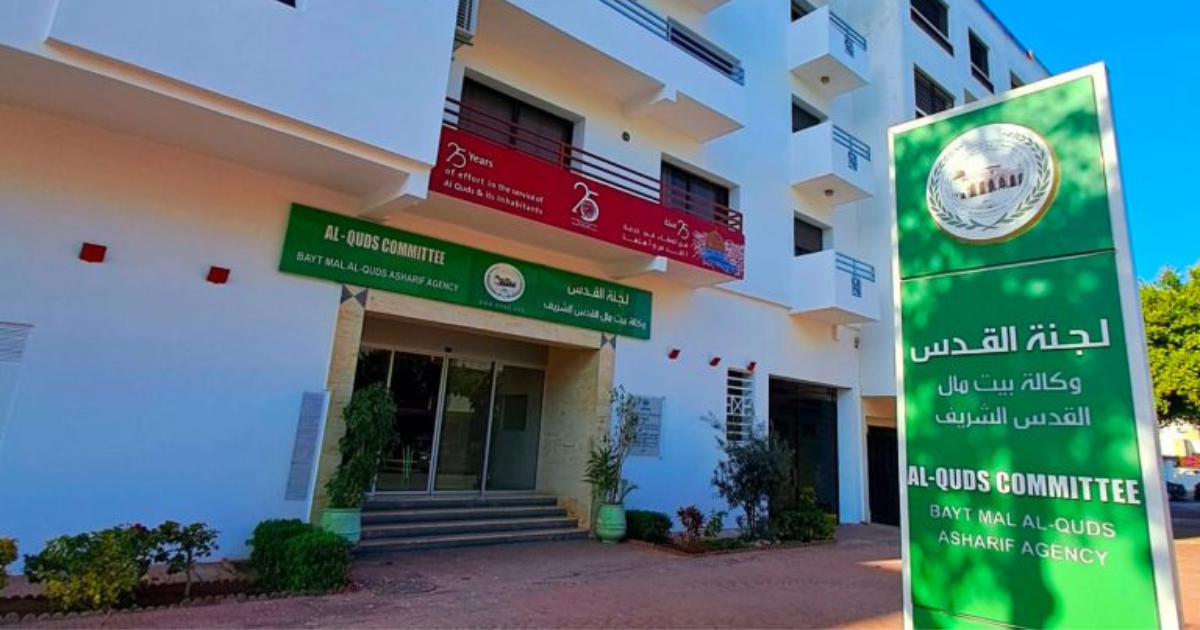
Moroccan authorities and experts in Rabat have established a cooperation agreement to provide audiovisual and cinema training for Palestinian students from Al-Quds, according to local media reports. The initiative aims to equip Palestinian creators with the technical skills necessary to document their own experiences and shape the visual narrative of their region.
-
Key Details
- Location: Rabat, Morocco
- Focus: Cinema and audiovisual production training
- Target Group: Palestinian students from Al-Quds
- Objective: Establishing a unified Arabic narrative on the Palestinian cause
How the Cinema Training Program Works
The agreement focuses on professional development in the audiovisual sector, specifically targeting students from Al-Quds. According to reports from H24info and APAnews, the cooperation involves Moroccan experts providing specialized instruction in film and digital media production. This technical training is designed to move beyond traditional reporting, allowing students to master the tools of modern cinema to tell their stories.

The Push for a Unified Arabic Narrative
The training program is part of a broader effort to standardize how the Palestinian cause is presented to global audiences. Experts meeting in Rabat have called for the creation of a unified Arabic narrative regarding Al-Qods, according to Hespress Français. The goal is to move away from fragmented accounts and instead build a cohesive visual and storytelling strategy that reflects a shared regional perspective.
This shift toward a structured narrative is framed as a tool for cultural preservation. Abdeljelil Lahjomri described the effort as a way to present Al-Qods as a symbol of universal values, stating:
Al-Qods is a universal narrative of peace and dignity.
— Abdeljelil Lahjomri, via Quid.ma
Preserving Al-Quds as a City of Peace
The audiovisual initiative coincides with diplomatic and cultural discussions held in Rabat regarding the legal and symbolic status of the city. A panel discussion organized by the Moroccan Jewish Community Center (MJCC) focused on the mechanisms available to preserve Al-Qods as a city of peace, according to public records from mjcc.gov.ma.
By combining technical cinema training with these high-level discussions, the Rabat-based initiative seeks to link professional media production with the political goal of maintaining the city’s status. The combined approach suggests that controlling the visual medium is essential to the broader effort of preserving the city’s identity in the international consciousness.
