
Scientists turn tofu and cheese waste into tiny CO2-catching beads – ScienceDaily
Researchers have developed a method to convert waste from tofu and cheese production into porous beads that capture carbon dioxide. According to reports from ScienceDaily and EurekAlert!, this process upcycles food industry byproducts into sustainable carbon-capture materials, offering a lower-cost, bio-based alternative to traditional synthetic sorbents used in climate mitigation.
The development addresses two environmental pressures simultaneously: the accumulation of industrial food waste and the urgent need for scalable carbon capture and storage (CCS) technologies. By utilizing the proteins found in tofu and cheese residuals, scientists have created a material capable of adsorbing CO2 from the air or industrial exhaust streams.
How does tofu and cheese waste capture carbon?
The process centers on the chemical properties of proteins found in food waste. According to ScienceDaily, the researchers focused on “okara”—the soy pulp remaining after tofu production—and whey, a byproduct of cheese making. These materials are rich in nitrogen-containing groups, specifically amines, which have a natural affinity for carbon dioxide molecules.
To transform these raw wastes into functional tools, the materials undergo a process of polymerization and shaping into “beads.” These beads are not solid spheres but are highly porous. This porosity is critical because it increases the available surface area. A higher surface area allows more CO2 molecules to attach to the amine sites on the beads’ interior and exterior walls.
When air or gas containing CO2 passes over these beads, the carbon dioxide binds to the surface through a process called adsorption. Unlike absorption, where a substance is soaked into the bulk of a material, adsorption allows the CO2 to stick to the surface. This makes the process more efficient and allows the beads to be “regenerated”—meaning the captured CO2 can be released under specific conditions, such as heat or pressure changes, so the beads can be reused multiple times.
- Okara: The insoluble residue from soy milk production, providing a structural protein base.
- Whey: The liquid remaining after milk curdles, contributing specific proteins that enhance CO2 binding.
- Amine Groups: The chemical “hooks” within these proteins that attract and hold CO2.
- Porosity: The network of tiny holes that maximizes the contact point between the gas and the material.
Why use food waste instead of synthetic materials?
Most industrial carbon capture systems rely on synthetic chemicals, such as liquid amines (e.g., monoethanolamine) or solid zeolites and Metal-Organic Frameworks (MOFs). While effective, these materials often come with significant drawbacks. According to reports from EurekAlert!, synthetic sorbents are frequently expensive to produce and may require toxic precursors during their synthesis.
Using tofu and cheese waste shifts the economic and environmental equation. Instead of paying to dispose of food waste in landfills—where it would decompose and release methane, another potent greenhouse gas—factories can sell or provide these byproducts as raw materials for carbon capture. This creates a circular economy model where waste from one industry becomes the solution for another.
Furthermore, bio-based beads are generally more biodegradable and less toxic than their synthetic counterparts. This reduces the environmental footprint of the carbon capture facility itself. If a synthetic sorbent leaks or reaches the end of its lifecycle, it may require hazardous waste disposal. Bio-based beads derived from soy and dairy are inherently more compatible with natural ecosystems.
| Feature | Synthetic Sorbents (MOFs/Zeolites) | Waste-Based Beads (Tofu/Cheese) |
|---|---|---|
| Raw Material Cost | High (Specialized chemicals) | Low (Industrial waste) |
| Environmental Impact | Potential toxicity in production | Reduces landfill methane emissions |
| Production Energy | High (High-temp synthesis) | Lower (Biopolymer processing) |
| Biodegradability | Low to None | High |
The role of okara and whey in carbon sequestration
The specific selection of okara and whey is not accidental. These materials contain high concentrations of proteins that are structurally ideal for creating a stable, porous matrix. In the case of tofu waste, the soy proteins provide a robust scaffold. When processed, these proteins can be cross-linked to ensure the beads do not dissolve or collapse when exposed to moisture or varying temperatures.
Whey proteins, particularly beta-lactoglobulin, add a different layer of chemical functionality. According to ScienceDaily, the integration of these dairy proteins helps fine-tune the “selectivity” of the beads. Selectivity refers to the material’s ability to pick out CO2 from a mixture of other gases, such as nitrogen or oxygen, which make up the bulk of the atmosphere.
By blending these two waste streams, researchers can optimize the beads for different environments. For example, beads with a higher concentration of soy protein might be more durable for high-pressure industrial chimneys, while those with more whey protein might be more efficient at capturing dilute CO2 from the open air (Direct Air Capture). This flexibility allows the technology to be tailored to the specific needs of the emitter.
The chemical binding process typically follows these steps:
- Waste Collection: Okara and whey are collected from food processing plants.
- Purification: Basic cleaning to remove non-protein contaminants.
- Bead Formation: The proteins are mixed and formed into spheres using a gelling or polymerization agent.
- Activation: The beads are treated to open up their pores and expose the amine groups.
- Deployment: The beads are packed into columns where CO2-rich gas is pumped through.
Potential for industrial scale-up and environmental impact
For this technology to move from the lab to the real world, it must be scalable. The primary advantage here is the sheer volume of available feedstock. Tofu and cheese are global staples, and their production generates millions of tons of waste annually. According to EurekAlert!, the abundance of these materials ensures a steady supply chain that does not compete with food security, as these are byproducts, not the primary food product.
Industrial implementation would likely involve “scrubber” columns. In this setup, the tofu-cheese beads would be packed into large cylinders. As flue gas from a factory passes through the cylinder, the beads trap the CO2. Once the beads are saturated, the system switches to a regeneration phase—often using a burst of steam or a vacuum—to strip the CO2 from the beads. The pure CO2 can then be compressed and stored underground or used in the production of synthetic fuels and plastics.
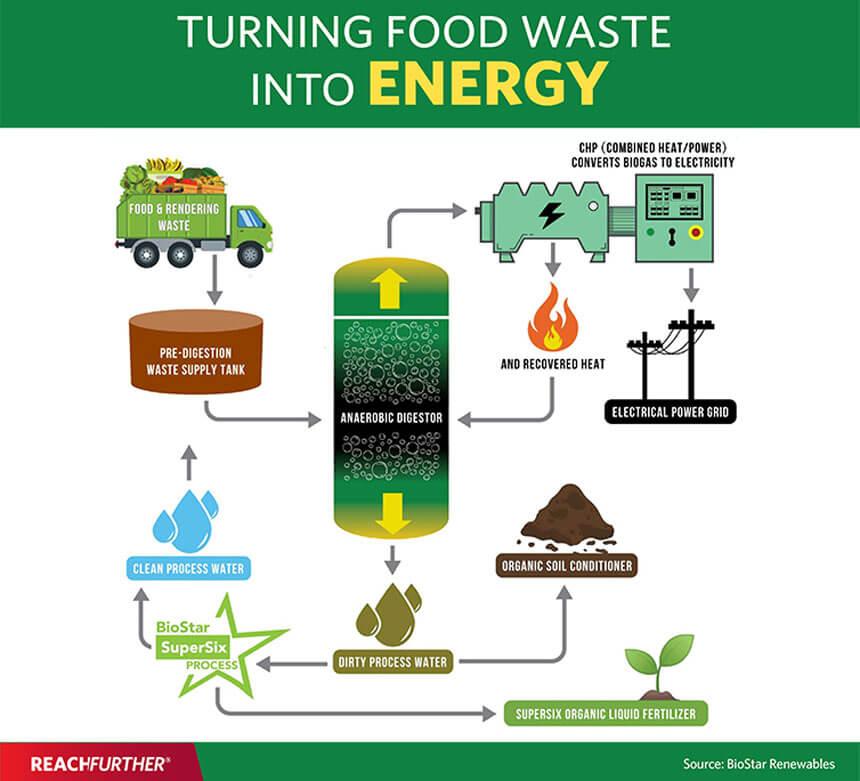
The environmental impact extends beyond just CO2 removal. When okara and whey are left to rot in landfills, they undergo anaerobic digestion, which produces methane. By diverting this waste into carbon-capture beads, the process provides a “double win” for the climate: it prevents methane emissions at the source and removes CO2 from the atmosphere.
However, challenges remain. The durability of bio-based materials is often lower than that of ceramics or metals. Researchers must ensure that the beads can withstand thousands of cycles of adsorption and desorption without breaking down. If the beads degrade too quickly, the cost of replacing them could offset the savings from using waste materials.
Related explainer on the mechanics of Direct Air Capture (DAC) may provide further context on how these beads could fit into larger atmospheric scrubbing arrays.
Comparing waste-based beads to traditional carbon capture
To understand the significance of this development, it is necessary to contrast it with existing carbon capture methods. The most common industrial method is “amine scrubbing,” which uses a liquid solvent. While highly efficient, liquid amines are corrosive and can evaporate into the air, creating secondary pollution. Solid beads, like those derived from tofu and cheese, eliminate the risk of solvent leakage and are generally easier to handle.
When compared to high-end materials like MOFs, the waste-based beads may have a lower total capacity for CO2 per gram of material. MOFs are engineered at the atomic level to be the most efficient “sponges” possible. However, MOFs are prohibitively expensive for many applications. The tofu-cheese beads represent a “good enough” approach—providing significant capture capacity at a fraction of the cost.
This trade-off is a common theme in sustainable engineering. The goal is often not to find the single most efficient material in a vacuum, but to find the most economically viable and sustainable material at scale. If a waste-based material can capture 70% as much CO2 as a synthetic one but costs 1% as much to produce, it is the superior choice for global deployment.
Key points of comparison include:
- Stability: Synthetic materials are generally more stable over long periods; bio-beads require stabilization.
- Cost: Waste-based materials leverage “negative cost” feedstocks (waste disposal fees).
- Energy: Regenerating bio-beads may require lower temperatures than some industrial zeolites.
- Ethics: Using food waste avoids the mining of rare metals often required for advanced synthetic sorbents.
Common misconceptions about bio-based carbon capture
One common misconception is that using food waste for carbon capture “wastes” the nutrients that could otherwise be used for animal feed or fertilizer. In reality, the process uses the specific protein fractions that are often less desirable for feed or are produced in such excess that they exceed the demand of the agricultural market. By converting these into high-value industrial materials, the process adds a new tier of value to the waste hierarchy.
Another misunderstanding is the idea that these beads “destroy” the CO2. Carbon capture does not destroy the molecule; it merely relocates it. The CO2 is trapped by the beads and then must be permanently sequestered in geological formations or utilized in industrial processes. The beads are the transport mechanism, not the final destination.
Finally, some may assume that “bio-based” means “weak.” While early bio-polymers struggled with structural integrity, modern cross-linking chemistry—the process of bonding protein chains together—allows these beads to be surprisingly resilient. They are designed to withstand the turbulent flow of industrial gas streams without disintegrating.
Related explainer on geological carbon sequestration details where the gas goes after the beads release it.
Frequently Asked Questions
Can these CO2-catching beads be used at home?
Currently, this technology is designed for industrial applications where gas flow can be controlled. While the chemistry could theoretically be used in small-scale home air purifiers, the efficiency gains are most significant in high-concentration environments like factory exhaust stacks.
How many times can a single bead be reused?
The exact number of cycles depends on the stability of the protein cross-linking. According to the research reported by ScienceDaily, the goal is to create beads that can be regenerated hundreds or thousands of times before the protein structure degrades and requires replacement.

Does this process require a lot of energy to produce the beads?
One of the main advantages of using food waste is the lower energy requirement for synthesis. Unlike synthetic zeolites that require extreme heat, bio-based beads are typically formed through lower-temperature chemical processes, reducing the overall carbon footprint of the production phase.
Which is more effective: tofu waste or cheese waste?
Both have unique advantages. Tofu waste (okara) provides better structural support and durability, while cheese waste (whey) often provides more efficient CO2-binding sites. The most effective beads typically use a combination of both to balance strength and capture capacity.
Is this technology available commercially yet?
The research is currently in the developmental and testing phases. While the proof-of-concept is established, moving to commercial-scale production requires further testing on long-term durability and the optimization of the regeneration process.
The transition from laboratory success to industrial application will likely depend on partnerships between universities and food processing conglomerates. As carbon taxes and emissions regulations tighten globally, the financial incentive for factories to adopt waste-to-capture technology increases. The ability to turn a waste liability into a climate asset makes these tiny beads a significant area of interest for the future of green manufacturing.
