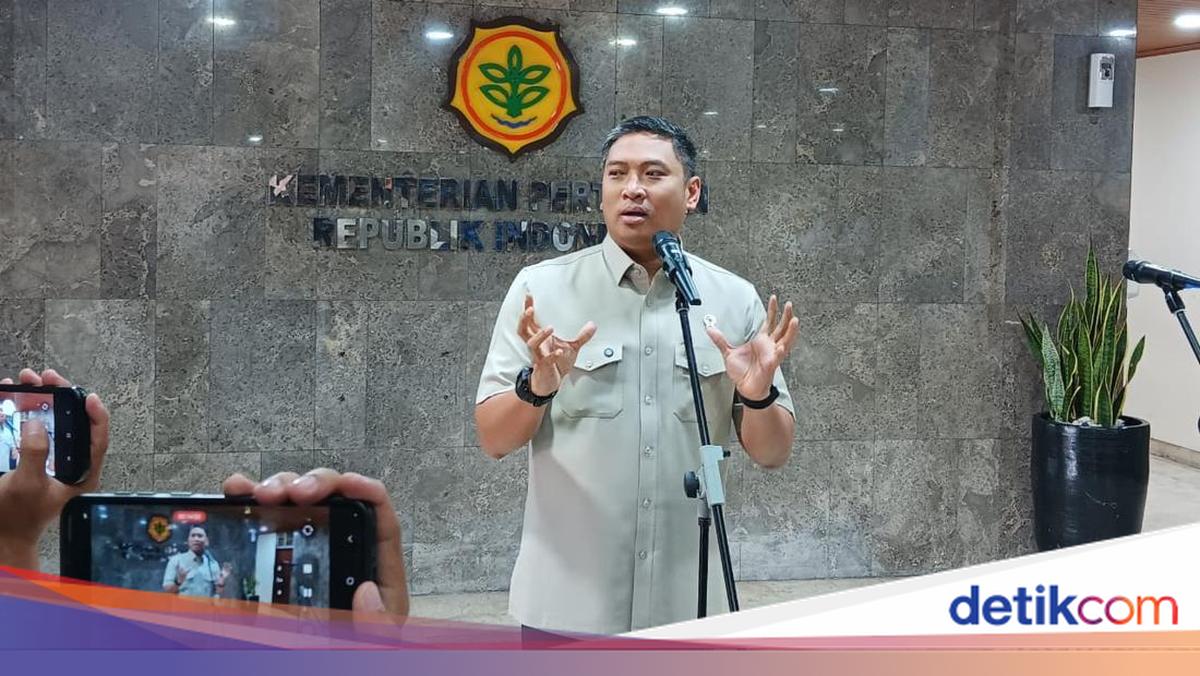
Indonesia is targeting garlic self-sufficiency within three to four years to eliminate imports, according to statements from President Prabowo and the Ministry of Agriculture. The government is allocating Rp400 billion for seeds and strengthening the role of state-owned food enterprises (BUMN Pangan) to scale production, as reported by local media.
What is the timeline for ending garlic imports?
The Indonesian government has set a tight window to achieve food independence for garlic, though specific targets vary slightly across official reports. President Prabowo has expressed a goal to stop garlic imports within three years, according to reports from detikFinance.
The Ministry of Agriculture (Kementan) provides a slightly broader window. According to pantau.com and Elshinta, the ministry targets self-sufficiency within three to four years. This discrepancy suggests a phased approach where the administration seeks an aggressive three-year turnaround but allows for a fourth year to stabilize domestic supply chains.
How is the government funding garlic production?
To drive this transition, the Ministry of Agriculture is investing heavily in the primary input of the supply chain: seeds. According to Elshinta, Kementan has prepared Rp400 billion specifically for garlic seeds to accelerate the self-sufficiency timeline.
This capital injection focuses on expanding the volume of planting material available to farmers, addressing one of the primary bottlenecks in domestic garlic scaling.
What role will state-owned enterprises play?
The strategy relies on a structural shift in how food production is managed. Agriculture Minister Amran will strengthen the role of state-owned food enterprises, known as BUMN Pangan, to boost output, according to Majalah HORTUS Archipelago.
By leveraging BUMN Pangan, the government intends to coordinate production and distribution more effectively, moving away from fragmented farming efforts toward a state-supported industrial model for garlic cultivation.
