
Trump: World will ‘find out pretty soon’ if Iran MOU signing will happen – Al Jazeera
Former President Donald Trump stated that the global community will “find out pretty soon” whether a Memorandum of Understanding (MOU) with Iran will be signed, according to reporting by Al Jazeera. The statement suggests a potential shift or opening in diplomatic channels regarding the long-standing conflict over Iran’s nuclear program and regional influence.
What did Donald Trump say about the Iran MOU?
During recent communications, Donald Trump indicated that a decision regarding a Memorandum of Understanding with Iran is imminent. According to Al Jazeera, the former president used the phrase “find out pretty soon” to describe the timeline for whether such an agreement would be formalized. While the specific terms of the proposed MOU remain undisclosed, the statement marks a notable public acknowledgment of potential negotiations.
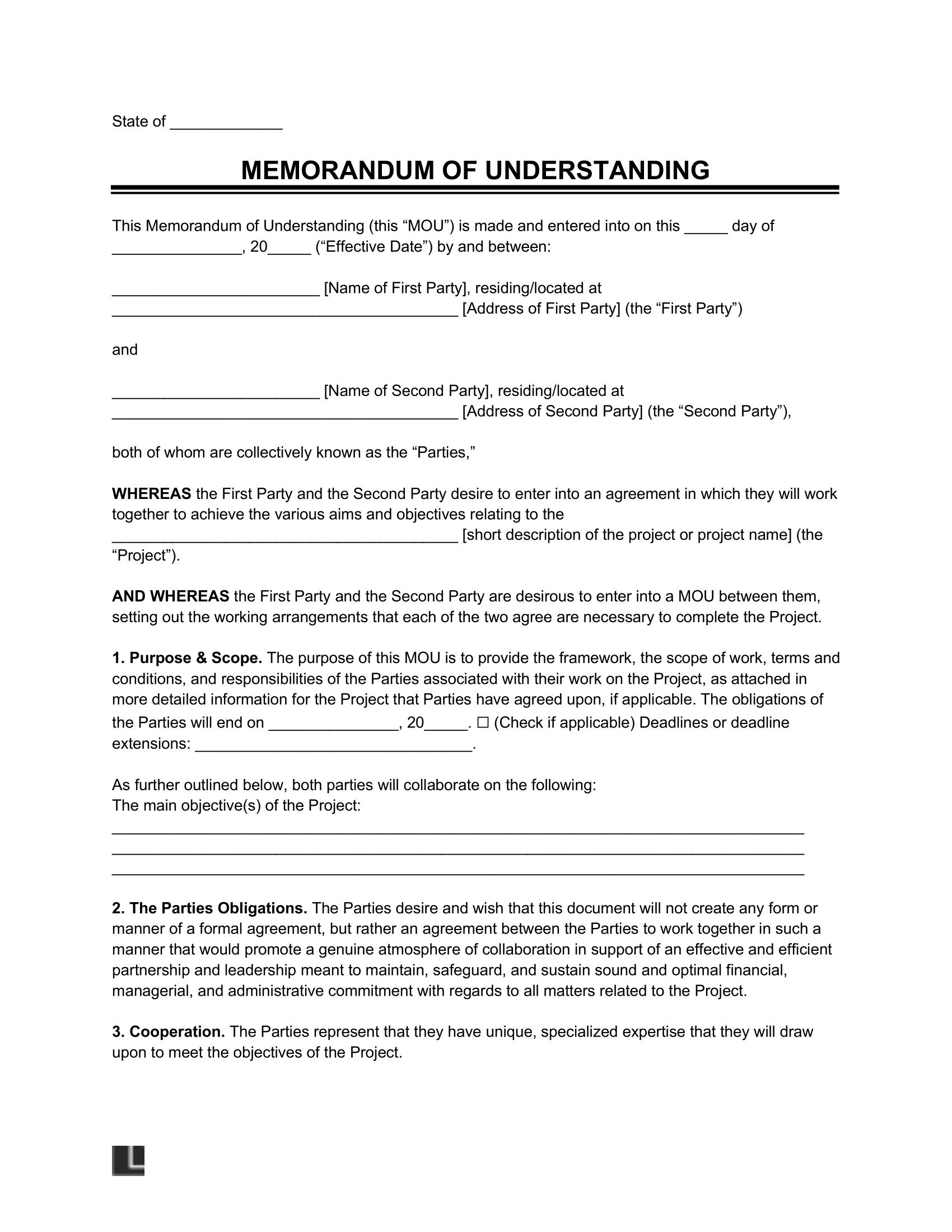
An MOU typically serves as a non-binding agreement between two or more parties. It outlines a framework for cooperation or a set of intentions before a formal, legally binding treaty is drafted. In the context of U.S.-Iran relations, such a document would likely address nuclear enrichment limits, sanctions relief, or regional security guarantees.
“The world will find out pretty soon if the Iran MOU signing will happen,” Trump stated, as reported by Al Jazeera.
Why is a Memorandum of Understanding with Iran significant?
The prospect of an MOU is significant because the United States and Iran have lacked formal diplomatic relations since 1979. For years, the relationship has been defined by “maximum pressure” campaigns, economic sanctions, and mutual accusations of state-sponsored terrorism and nuclear proliferation.
A signed MOU would signal a departure from the policy of total isolation. It would suggest that both parties have found a baseline of common interest—likely centered on avoiding direct military conflict or stabilizing global energy markets. According to geopolitical analysts, the move could be a strategic attempt to resolve the nuclear stalemate without the political baggage of a full-scale treaty, which would require more rigorous domestic approval in the U.S.
The difference between an MOU and a formal treaty
To understand the stakes, it is necessary to distinguish the legal weight of an MOU compared to a treaty like the Joint Comprehensive Plan of Action (JCPOA).
- Memorandum of Understanding (MOU): Generally non-binding. It expresses a convergence of will between parties. It is easier to negotiate and faster to sign because it doesn’t usually require legislative ratification.
- Formal Treaty/Accord: Legally binding under international law. These documents create specific obligations and penalties for non-compliance. They often require approval from the U.S. Senate or equivalent governing bodies.
The history of U.S.-Iran nuclear negotiations
The current tension stems from a decade of fluctuating diplomatic strategies. The most prominent of these was the 2015 JCPOA, which sought to limit Iran’s nuclear capabilities in exchange for the lifting of economic sanctions. The U.S. withdrew from this deal in 2018 under the Trump administration, arguing that the agreement had “sunset clauses” that would eventually allow Iran to resume enrichment.
Following the U.S. withdrawal, the “maximum pressure” campaign was implemented. This involved aggressive sanctions on Iranian oil exports and the designation of the Islamic Revolutionary Guard Corps (IRGC) as a foreign terrorist organization. Iran responded by gradually ignoring the limits on uranium enrichment set by the 2015 deal.
| Year | Event | Outcome |
|---|---|---|
| 2015 | JCPOA Signed | Iran limits nuclear program; sanctions lifted. |
| 2018 | U.S. Withdrawal | Trump administration exits deal; reimposes sanctions. |
| 2019-2021 | Maximum Pressure | Severe economic sanctions; Iran increases enrichment. |
| 2022-2024 | Stalled Diplomacy | Indirect talks via intermediaries; nuclear tension rises. |
What are the primary obstacles to an agreement?
Despite the hint of a pending MOU, several critical friction points remain. According to reports on regional security, the U.S. and its allies are concerned not only with nuclear centrifuges but also with Iran’s “proxy” network in the Middle East.
Nuclear enrichment levels
The International Atomic Energy Agency (IAEA) has previously reported that Iran has enriched uranium to levels close to weapons-grade (60%). For any MOU to be viewed as successful by the U.S. and Israel, it would likely need to include a mechanism for the IAEA to verify that Iran is not pursuing a nuclear weapon.
Regional proxy conflicts
The U.S. maintains that Iranian support for groups such as Hezbollah in Lebanon and Houthi rebels in Yemen is a primary driver of regional instability. Any agreement that focuses solely on nuclear issues while ignoring these “grey zone” conflicts is often viewed by critics as incomplete or insufficient.
The “Snapback” mechanism
A major point of contention is the “snapback” provision, which allows sanctions to be automatically reimposed if Iran violates the terms of an agreement. Iran has historically resisted terms that give the U.S. unilateral power to trigger these sanctions.
How would an Iran MOU affect global oil markets?
Energy analysts suggest that any movement toward a signed MOU would likely cause immediate volatility in the oil markets. Iran holds some of the world’s largest proven oil and gas reserves. Under current U.S. sanctions, Iran’s ability to export oil to global markets is severely restricted, though some “shadow” exports to China continue.
If an MOU leads to even partial sanctions relief, a surge of Iranian crude could return to the global market. This would potentially lower prices, providing relief to importing nations but creating competition for other OPEC+ members. Conversely, if the “pretty soon” timeline mentioned by Trump ends in a collapse of talks, markets may price in a higher risk of military escalation, which typically drives oil prices upward.
For more on how energy shifts impact global trade, see a related explainer on global oil sanctions.
Comparing diplomatic approaches: Maximum Pressure vs. Engagement
The mention of an MOU brings back the debate between two competing foreign policy philosophies: “Maximum Pressure” and “Diplomatic Engagement.”
Maximum Pressure: This strategy posits that by cutting off all economic lifelines and isolating the regime, the Iranian government will be forced to the negotiating table on U.S. terms. Proponents argue it weakens the regime’s ability to fund proxies. Critics argue it empowers hardliners within Iran and pushes the country closer to nuclear weaponization as a deterrent.
Diplomatic Engagement: This approach suggests that incentives—such as trade and sanctions relief—are the only effective tools for changing Iranian behavior. Proponents argue it prevents war and provides a legal framework for monitoring nuclear sites. Critics argue it provides the Iranian government with “blood money” that is used to fund regional instability.
The current hint at an MOU suggests a potential hybrid approach: using the threat of continued pressure to secure a preliminary, non-binding agreement that tests the waters for a more permanent solution.
What happens if the MOU is not signed?
If the anticipated signing does not occur, the default state of “strategic patience” or “maximum pressure” is likely to resume. According to regional experts, a failure to reach an agreement could lead to several outcomes:
- Accelerated Enrichment: Iran may further increase its uranium enrichment to 90% (weapons-grade) to increase its leverage in future talks.
- Increased Proxy Activity: To signal dissatisfaction, Iran may encourage its allies in the “Axis of Resistance” to increase pressure on U.S. assets or allies in the region.
- Hardened Sanctions: The U.S. may introduce secondary sanctions, targeting any third-party country or company that continues to trade with Tehran.
The role of international intermediaries
Negotiations between Washington and Tehran rarely happen directly. They typically involve “back-channel” diplomacy facilitated by third-party nations. Qatar, Oman, and Switzerland have historically served as the primary conduits for these messages.
According to diplomatic records, these intermediaries provide a layer of “plausible deniability” for both sides. They allow the U.S. and Iran to exchange demands and drafts of an MOU without the political risk of a public summit. The fact that Trump mentioned the world would “find out pretty soon” suggests that these back-channels may have already produced a draft document.
For a deeper look at how these nations facilitate talks, check out a related explainer on Middle East diplomacy.
Common misconceptions about U.S.-Iran agreements
Public discourse often oversimplifies the complexities of these negotiations. It is important to clarify a few common misunderstandings:
Misconception 1: An MOU is a final peace treaty.
As stated, an MOU is a framework. It does not end the rivalry or resolve all disputes; it simply establishes a path toward further discussion. It is a “handshake” on paper, not a final legal settlement.
Misconception 2: Sanctions relief is all-or-nothing.
Sanctions can be lifted in stages. An MOU might provide “humanitarian carve-outs” (allowing food and medicine) or limited oil exports before full economic integration occurs.
Misconception 3: The IAEA has the power to stop Iran.
The IAEA is a monitoring body, not a police force. It can report violations and verify data, but it cannot physically stop a country from enriching uranium. Enforcement is left to the UN Security Council or individual nations.
What to watch for in the coming weeks
As the world waits to see if the MOU signing happens, several indicators will signal the direction of the talks:
- IAEA Reports: Any mention of “increased cooperation” or “new access” to Iranian sites usually precedes a diplomatic breakthrough.
- Official Statements from Tehran: Watch for language from the Iranian Foreign Ministry regarding “mutual respect” or “lifting of illegal sanctions.”
- Movement of Diplomats: Unscheduled trips by U.S. or Iranian officials to Doha or Muscat often signal that a deal is being finalized.
FAQ: Trump and the Iran MOU
What is the “Iran MOU” mentioned by Donald Trump?
The MOU (Memorandum of Understanding) is a proposed non-binding agreement between the U.S. and Iran. While the exact details are not public, it is expected to cover issues related to Iran’s nuclear program and the easing of economic sanctions.
Is the MOU legally binding?
No. Unlike a formal treaty, a Memorandum of Understanding is generally a statement of intent and is not legally binding under international law. It serves as a roadmap for future, formal negotiations.
Why did Donald Trump say the world will “find out pretty soon”?
According to Al Jazeera, this statement indicates that negotiations have reached a stage where a decision on whether to sign the document is imminent, suggesting that the framework of the deal may already be drafted.
How does this differ from the 2015 Nuclear Deal (JCPOA)?
The JCPOA was a comprehensive, legally binding international agreement involving multiple world powers. An MOU is a smaller, preliminary agreement that focuses on immediate intentions rather than long-term legal obligations.
What happens if the MOU is signed?
A signed MOU would likely lead to a period of decreased tension and could open the door for partial sanctions relief and increased IAEA monitoring of Iranian nuclear sites.
Who are the main intermediaries in these talks?
Countries such as Qatar, Oman, and Switzerland typically act as intermediaries, facilitating communication between the U.S. and Iran to avoid direct diplomatic confrontation.
