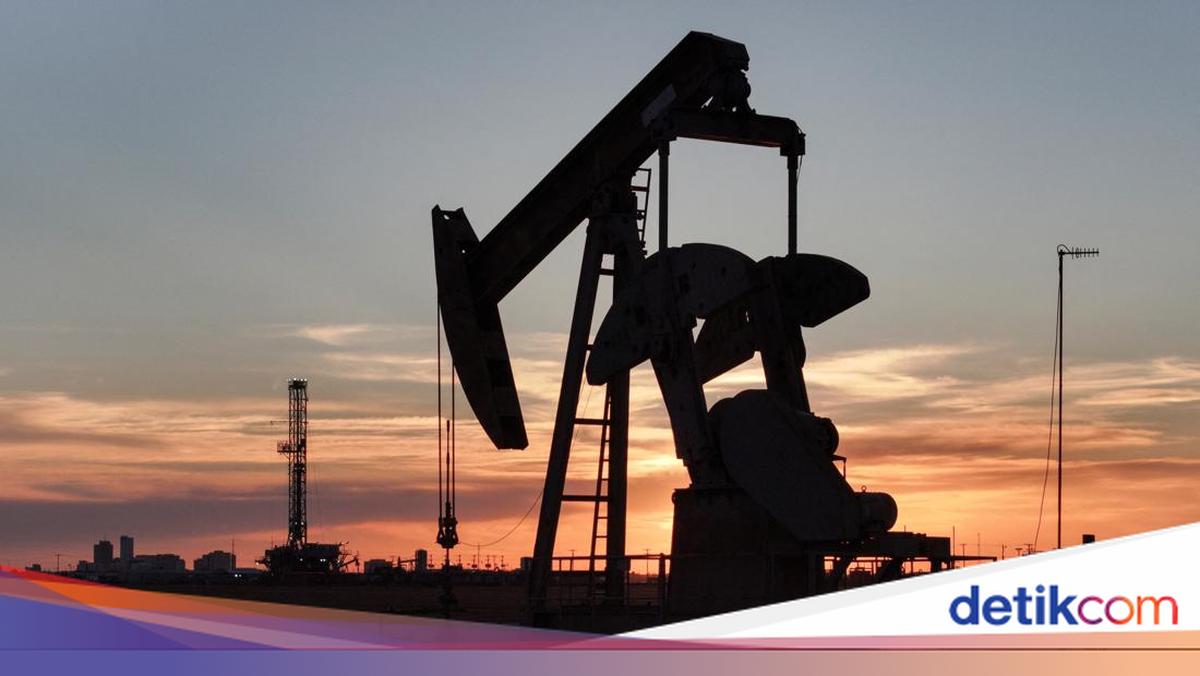
Global oil markets reacted sharply to signals of a potential de-escalation between the United States and Iran, with prices sliding 3% following indications that Donald Trump intends to avoid a prolonged military conflict with the Islamic Republic.
- Market Impact: Crude oil prices dropped by 3% amid reduced war premiums.
- Diplomatic Friction: A reported nuclear agreement claimed by the U.S. Has been explicitly denied by Tehran.
- Red Line: The U.S. Administration has warned that any casualties among American troops could trigger a return to active hostilities.
Contradictory Claims Over Nuclear Diplomacy
The dip in energy prices follows a volatile diplomatic exchange regarding the future of Iran’s nuclear program. While the U.S. Administration announced the reach of a nuclear agreement, officials in Tehran were quick to dismiss the claim. This immediate denial underscores the deep mistrust characterizing the current state of bilateral relations, where public declarations from Washington often clash with the official position of the Iranian government.

Despite the announcement of a deal, international observers note that negotiations remain fraught. Discussions between the two powers have reportedly hit a stalemate, with several key points of contention preventing a formal, mutually recognized breakthrough.
The Fragility of De-escalation
The current reprieve in tensions remains precarious. Although the immediate threat of a full-scale offensive has eased enough to impact oil futures, the U.S. Has maintained a hardline stance regarding the safety of its personnel. In a stern warning, the U.S. Leadership indicated that the cessation of hostilities is conditional.
The U.S. Has threatened that if any American soldiers are killed, the United States will resume its war against Iran.
This “red line” suggests that the current diplomatic lull is not a comprehensive peace, but rather a conditional pause. The volatility of the situation is further complicated by what some analysts describe as a period where diplomacy is conducted through the “language of missiles,” highlighting a trend where military posturing serves as the primary tool for political communication.
Regional Implications and Market Volatility
The 3% drop in oil prices reflects the market’s sensitivity to the risk of conflict in the Persian Gulf. Because a significant portion of the world’s oil supply passes through this region, any hint of a reduced appetite for war in Washington leads to an immediate correction in pricing.
However, the persistent deadlock in negotiations suggests that the underlying geopolitical tensions remain unresolved. The disconnect between the U.S. Claims of a nuclear deal and Iran’s rebuttal indicates that any lasting stability will require a resolution to the specific points where negotiations have stalled.
