
The Indonesian government announced a Rp 26.34 trillion economic stimulus package in late 2026, targeting inflation control and support for small-scale producers, according to local media reports. The initiative includes direct rice assistance and tax incentives for tofu and tempeh manufacturers, aiming to stabilize household expenses and bolster food security amid rising commodity prices.
Key Components of the Stimulus Package
The stimulus program, unveiled by the Ministry of Economic Coordination, allocates Rp 12.8 trillion for subsidized rice distribution to low-income households. An additional Rp 3.5 trillion is designated for tax breaks and equipment subsidies for small-scale tofu and tempeh producers, sectors critical to Indonesia’s food supply chain. The remaining funds cover transport subsidies for public transit users and digitalization grants for micro-enterprises, as outlined in government statements.
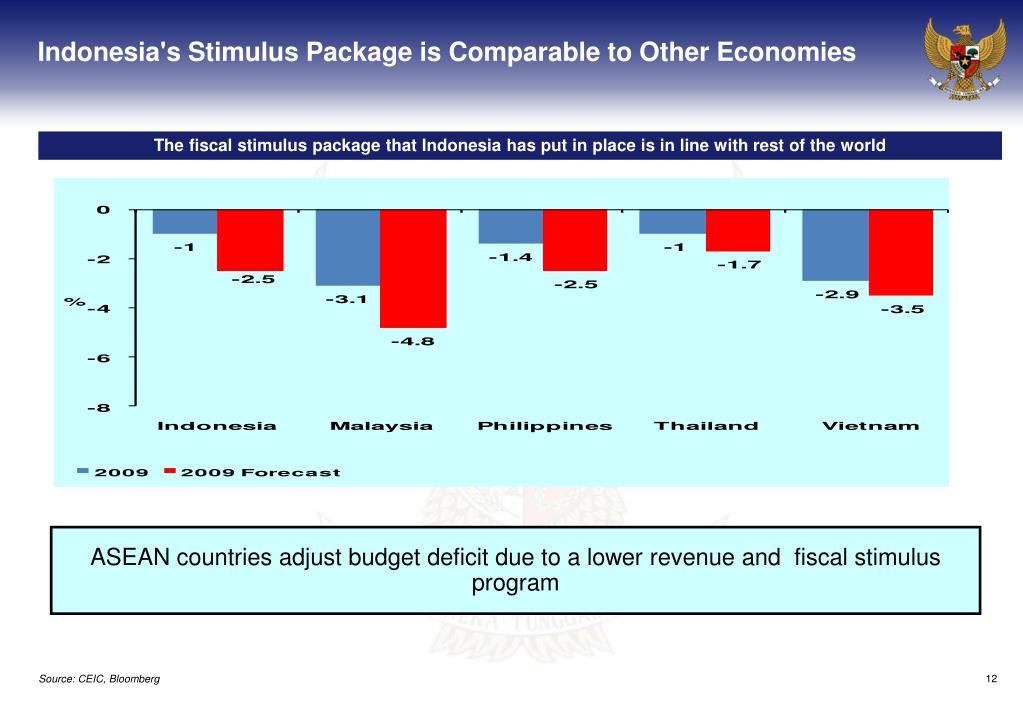
Officials emphasized the measures are designed to mitigate inflationary pressures while supporting vulnerable groups. The rice aid targets 10 million families, with beneficiaries receiving 10 kilograms of subsidized rice monthly. Tofu and tempeh producers will qualify for reduced corporate tax rates and access to low-interest loans to upgrade production facilities, according to the ministry’s press release.
Economic Implications and Reactions
Economists noted the package aligns with broader efforts to counterbalance inflation, which reached 4.5% in November 2026. The government reported that food prices accounted for 60% of the inflationary rise, prompting the focus on staple goods and local producers. However, some analysts cautioned that the scale of the stimulus may not fully offset supply-side shocks, including global rice price volatility and domestic logistics bottlenecks.
Industry representatives welcomed the tax incentives for tofu and tempeh sectors, which employ over 2 million people nationwide. “This support will help small producers remain competitive against larger corporations,” said a spokesperson for a Jakarta-based food association. The transport subsidies, meanwhile, aim to ease costs for 15 million daily commuters, though details on implementation timelines remain pending.
What’s Next for the Stimulus Program
The government has scheduled a review of the stimulus’s effectiveness by March 2027, with potential adjustments based on inflation trends and sectoral feedback. Public consultations with trade unions and business groups are expected to begin in January 2027, as outlined in the ministry’s policy roadmap.
