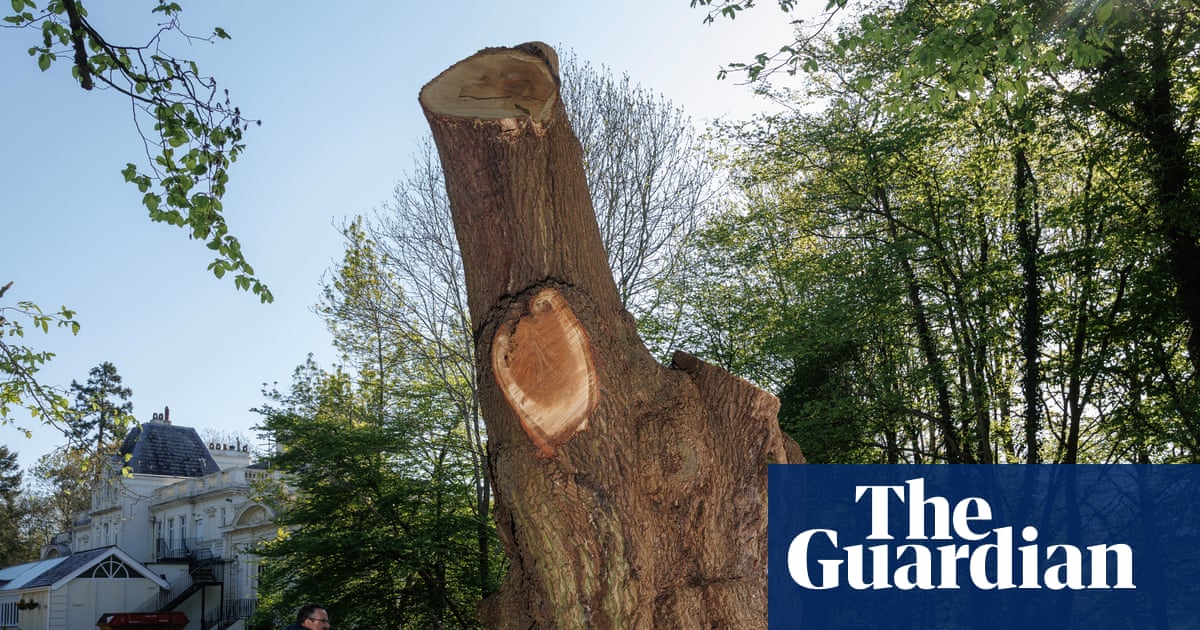
Toby Carvery to Fund Orchard Replanting as Settlement for Felling Ancient Oak
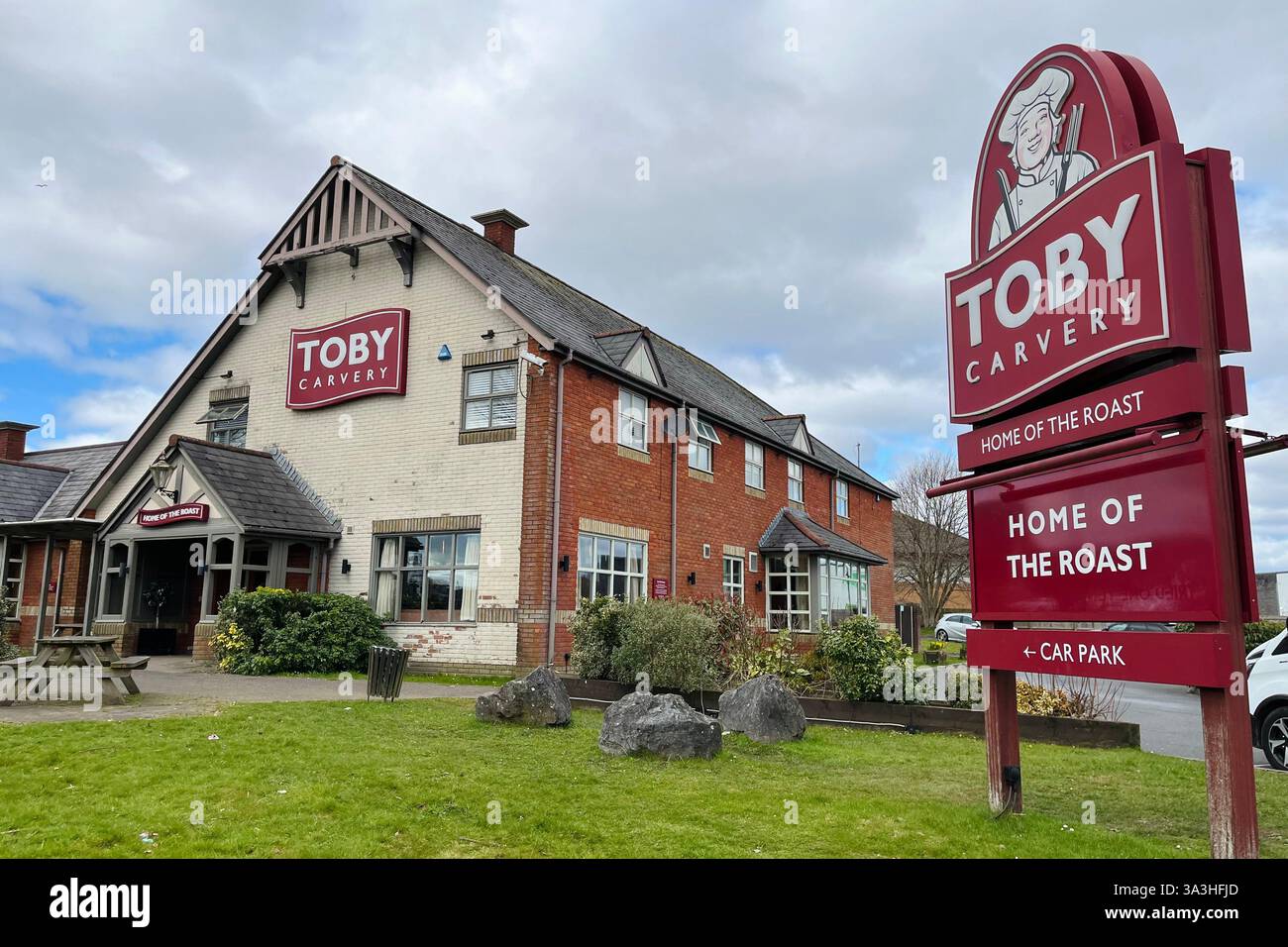
Toby Carvery has agreed to fund the replanting of a local orchard as part of a settlement following the unauthorized felling of an ancient oak tree. The agreement aims to mitigate the environmental loss and restore local biodiversity after the protected tree was removed without proper authorization.
Why was the ancient oak tree felled?
The dispute began when an ancient oak tree, protected by a Tree Preservation Order (TPO), was cut down to make way for site improvements or operational requirements at a Toby Carvery location. According to local authority records, the tree was removed without the required consent from the planning department, which is a direct violation of UK forestry and planning laws.
Ancient oaks are categorized as high-value ecological assets. Because they support hundreds of species of insects, fungi, and birds, their removal is strictly regulated. In this instance, the failure to secure a permit before the felling triggered a legal investigation by the local council, leading to the current settlement proceedings.
The removal of such a tree is not merely a landscaping issue but a legal breach. Under the Town and Country Planning Act, it is a criminal offense to cut down, top, lop, or uproot a tree protected by a TPO without the local planning authority’s permission. The settlement reached with Toby Carvery serves as a mechanism to avoid prolonged litigation while ensuring some form of environmental restitution.
How does the orchard replanting settlement work?
Rather than pursuing a purely punitive fine that would go into general government coffers, the settlement mandates a restorative approach. Toby Carvery will provide the funding necessary to establish a new orchard, which is intended to offset the carbon sequestration loss and the biodiversity gap created by the oak’s removal.
The settlement terms include several key requirements:
- Funding for Saplings: Provision of funds to purchase a variety of native fruit trees and supporting vegetation.
- Land Allocation: Identification of a suitable site where the orchard can be planted and maintained for the long term.
- Ecological Oversight: The replanting process must be overseen by environmental experts to ensure the species selected are appropriate for the local soil and climate.
- Maintenance Commitments: A guarantee that the new orchard will be cared for during its critical early growth years to ensure survival rates.
This “nature-positive” settlement is increasingly common in planning disputes. According to environmental planning standards, a simple one-for-one tree replacement is rarely sufficient for an ancient tree. Because an ancient oak provides a complex ecosystem that takes centuries to develop, the creation of an entire orchard is seen as a more proportional effort to restore biological variety to the area.
What are the legal implications of removing protected trees?
The felling of the oak tree highlights the strict nature of Tree Preservation Orders in the UK. A TPO is placed on a tree to protect it because of its amenity value—meaning its contribution to the visual or environmental quality of the area. When a business or individual ignores these orders, they face several legal risks.
The primary risks associated with unauthorized felling include:
- Unlimited Fines: In some cases, fines for breaching a TPO can be unlimited, depending on the severity of the damage and the intent of the perpetrator.
- Replacement Orders: Councils have the power to serve a “replacement notice,” requiring the owner to plant a new tree of a similar size and species.
- Criminal Prosecution: Intentional destruction of protected greenery can lead to criminal charges against the company directors or the contractors who performed the work.
In the case of Toby Carvery, the decision to settle through orchard replanting suggests a move toward “Biodiversity Net Gain” (BNG). BNG is a regulatory requirement in many new developments, ensuring that the natural environment is left in a measurably better state than it was before the development began. By funding an orchard, the company is attempting to move the balance from a net loss to a potential net gain over the coming decades.
| Action | Legal Status | Typical Consequence |
|---|---|---|
| Felling tree with TPO (Permitted) | Legal | No penalty; monitoring by council. |
| Felling tree with TPO (Unpermitted) | Illegal | Fines, replacement notices, or prosecution. |
| Restorative Settlement | Agreed | Environmental projects (e.g., orchards) to offset loss. |
Why does the loss of an ancient oak matter?
To the casual observer, the loss of one tree may seem minor, but ecologists argue that ancient oaks are irreplaceable in a human lifetime. An “ancient” tree is not just old; it is a biological hub. These trees often contain hollows, deadwood, and complex bark structures that provide essential nesting and feeding grounds for rare invertebrates and owls.
The impact of removing such a tree includes:
“The removal of an ancient oak destroys a micro-habitat that cannot be replicated by planting a new sapling. The loss extends to the mycorrhizal networks in the soil—the fungal connections that allow trees to communicate and share nutrients.”
Furthermore, ancient oaks are superior carbon sinks compared to younger trees. While young trees grow faster, the massive biomass of an ancient oak stores a significant amount of carbon for centuries. When the tree is felled, some of that carbon is released, and the immediate capacity for carbon sequestration is eliminated.
By funding an orchard, Toby Carvery is not replacing the oak—which is biologically impossible—but is instead creating a different kind of ecological value. Orchards provide pollination corridors for bees and butterflies and offer food sources for local wildlife, which helps mitigate some of the broader environmental damage.
Corporate responsibility and the “Greenwashing” debate
This settlement occurs amidst a wider trend of corporate environmental accountability. Many large chains are facing increased scrutiny over how their physical footprints affect local ecosystems. For a brand like Toby Carvery, which markets itself on traditional, rustic, and “home-grown” values, the unauthorized destruction of a landmark tree presents a significant reputational risk.
Critics of such settlements often argue that they are forms of “greenwashing”—where a company pays for a visible environmental project to distract from a permanent ecological loss. The argument is that an orchard, while beneficial, does not possess the same ecological weight as a centuries-old oak. However, proponents of the settlement argue that a restorative project is far more useful to the community than a financial penalty paid to a government department.
The effectiveness of this settlement will depend on the transparency of the replanting process. If the orchard is planted with non-native species or is poorly maintained, the environmental benefit remains theoretical. If it is managed as a genuine wildlife sanctuary, it can serve as a model for how commercial entities should handle environmental errors.
Key Points of the Corporate Environmental Conflict
- The Incident: Unauthorized removal of a TPO-protected ancient oak.
- The Response: Legal action by the local council.
- The Resolution: Funding for a local orchard to restore biodiversity.
- The Conflict: The tension between commercial site utility and long-term ecological preservation.
Comparison with similar environmental settlements
When comparing this case to other corporate environmental disputes, a pattern emerges. In previous instances where developers have removed protected hedgerows or woodland, settlements have ranged from simple cash fines to the creation of “offsetting” forests in different counties. The Toby Carvery settlement is distinct because it focuses on a localized, high-utility project—an orchard—rather than a distant carbon offset.
Localized offsets are generally viewed more favorably by residents and conservationists because the benefits remain within the affected community. For example, in several urban development cases in the UK, developers have been required to create “pocket parks” or “green corridors” to compensate for the loss of old-growth vegetation. These projects provide immediate public amenity value, which a standard fine does not.
However, the “replacement ratio” remains a point of contention. In professional forestry, the loss of one ancient tree is sometimes offset by planting 10 to 50 new trees to account for the failure rate of saplings and the time required to reach maturity. The scale of the Toby Carvery orchard will be the primary metric by which environmental groups judge the fairness of the settlement.
What to watch for in the coming months
The success of this settlement will be measured by the actual implementation of the replanting. Observers and local residents will likely monitor several factors to ensure the company fulfills its obligations.
First, the selection of tree species is critical. To maximize biodiversity, the orchard should feature a variety of native heritage apple or pear trees rather than commercial monocultures. Second, the location of the orchard must be accessible to wildlife, not tucked away in a paved corner of a parking lot. Finally, the long-term survival of the trees will indicate whether the settlement was a genuine commitment to restoration or a tactical move to close a legal case.
This case may also prompt other commercial landowners to review their TPO inventories. As local councils become more aggressive in enforcing tree protections and the public becomes more attuned to biodiversity loss, the cost of “accidental” felling is rising. Businesses are now finding that the most cost-effective path is preservation rather than restoration.
Frequently Asked Questions
What is a Tree Preservation Order (TPO)?
A Tree Preservation Order is a legal tool used by local planning authorities to protect trees or groups of trees that provide significant public value. Once a TPO is in place, it is illegal to cut down, prune, or damage the tree without written permission from the council.
Can a new orchard truly replace an ancient oak?
Ecologically, no. An ancient oak provides a unique, complex habitat that takes hundreds of years to form. However, an orchard provides a different type of biodiversity benefit, supporting pollinators and birds, which helps mitigate the overall loss of greenery in the area.

Who decides the terms of these environmental settlements?
The terms are usually negotiated between the company’s legal representatives and the local government’s planning and environmental departments. In some cases, local conservation groups provide input on what would constitute a fair restoration project.
What happens if the company fails to plant the orchard?
If a settlement is legally binding, failure to comply can lead to a breach of contract or a return to criminal proceedings. The council can issue enforcement notices and, if ignored, may carry out the work themselves and charge the company for the full cost plus administrative fees.
How can residents check if trees in their area are protected?
Most local councils maintain a public register of Tree Preservation Orders. This can usually be found on the council’s website under the planning or environment section, often mapped via a Geographic Information System (GIS).
For those interested in the broader legalities of land use, a related explainer on UK planning laws may provide further context on how TPOs interact with commercial development.
