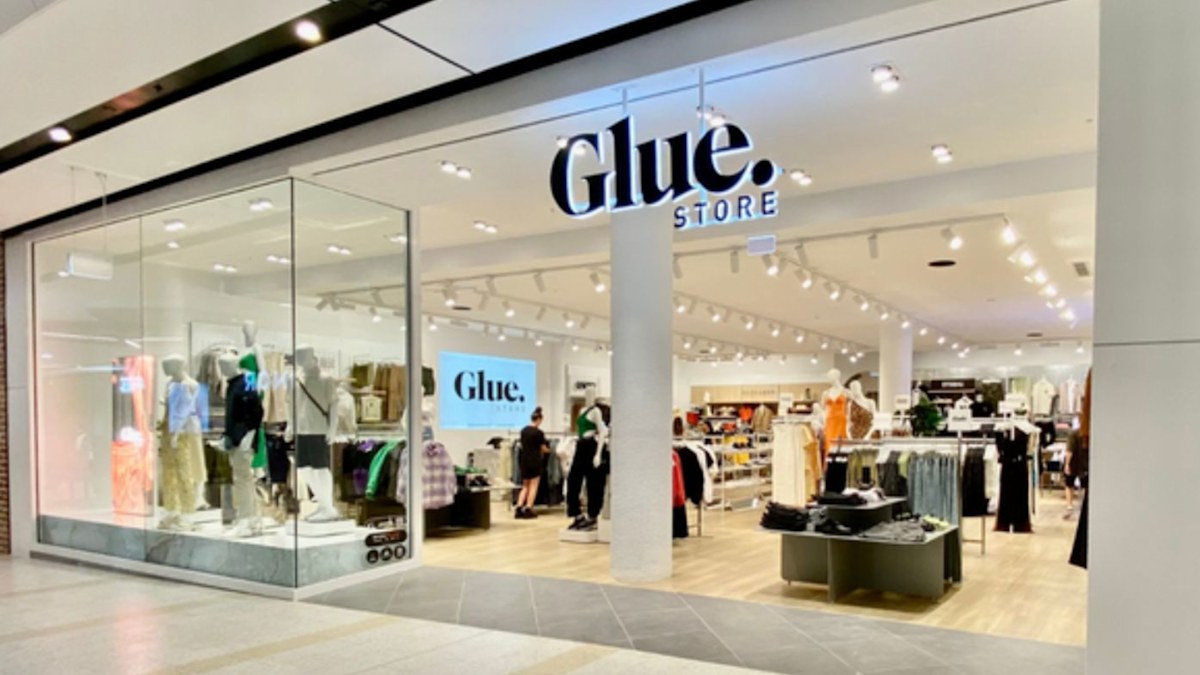
Fashion Retailer Glue Closes All Stores After Posting $8.4 Million Loss
Fashion retailer Glue has permanently shut down all physical locations and its online store following an $8.4 million loss, according to reports from Nine.com.au and the ABC. The closure ends nearly 30 years of operation for the Australian chain, citing severe economic pressures currently hitting the retail sector.
Why did Glue close its stores and online platform?
The decision to cease all operations follows a significant financial downturn. According to Nine.com.au, the retailer posted a loss of $8.4 million, a figure that rendered the business unsustainable. Unlike some retailers that pivot exclusively to e-commerce during financial distress, Glue has shut down both its brick-and-mortar presence and its digital storefront. 7NEWS reports that the company announced the permanent closure of its remaining stores and its online platform simultaneously.
The ABC attributes this collapse to “economic pain” affecting the broader retail landscape. This suggests that the $8.4 million loss wasn’t an isolated incident of mismanagement but a symptom of wider market volatility. When a retailer loses this volume of capital, the ability to secure further credit or maintain inventory levels typically evaporates, leading to a total shutdown.
- Total Loss: $8.4 million (Nine.com.au).
- Scope of Closure: All physical stores and the online platform (7NEWS).
- Primary Cause: Economic pressures and significant financial losses (ABC).
How long was Glue in operation before its collapse?
Glue was a fixture of the Australian fashion scene for nearly three decades. Yahoo Finance Australia notes that the retail chain permanently closed its doors 28 years after it was founded. This longevity indicates that the brand had successfully navigated previous economic cycles and shifts in consumer behavior before the current climate became untenable.
The company’s transition from a growing chain to a defunct entity marks the end of a long-term presence in the youth and street-fashion market. News.com.au described the current situation as “last rites” for the store, emphasizing that the closure is final and not a restructuring effort.
What economic factors contributed to the $8.4 million loss?
While the specific internal ledger of Glue isn’t public, the ABC highlights that “economic pain” is hitting retailers across the board. In the current Australian market, this typically manifests as a combination of rising operational costs and dwindling consumer discretionary spending.

Retailers facing these conditions often struggle with several intersecting pressures:
- Cost of Goods Sold (COGS): Increased shipping and manufacturing costs can erode margins, making it harder to turn a profit even with steady sales.
- Rental Overheads: Physical stores require high monthly payments. When foot traffic drops or conversion rates fall, these fixed costs become liabilities.
- Consumer Shift: A move toward cheaper alternatives or a total reduction in “non-essential” shopping due to inflation impacts fashion brands most acutely.
For Glue, the $8.4 million loss suggests a gap between revenue and expenses that became too wide to bridge. The fact that the online platform also closed indicates that digital sales were not sufficient to offset the losses incurred by the physical stores.
How does the Glue closure reflect broader Australian retail trends?
The collapse of a 28-year-old brand suggests a systemic issue rather than a brand-specific failure. The ABC’s framing of the story focuses on the “economic pain” hitting the sector, positioning Glue as part of a larger trend of retail instability. When established players with nearly three decades of experience fail, it often signals a shift in how consumers interact with fashion.
Many Australian retailers have struggled to balance the “omnichannel” approach—maintaining both a physical and digital presence. According to 7NEWS, Glue’s decision to kill both channels suggests that the cost of maintaining the infrastructure for both was no longer viable given the financial losses.
This pattern mirrors other recent retail closures where the cost of maintaining large-scale physical footprints became a primary driver of insolvency. The street-fashion segment is particularly vulnerable, as its target demographic is often more sensitive to changes in disposable income.
| Source | Key Focus of Reporting | Specific Detail Provided |
|---|---|---|
| Nine.com.au | Financial Loss | Confirmed $8.4 million loss |
| ABC | Economic Context | Linked closure to wider “economic pain” |
| Yahoo Finance | Company Longevity | Operated for 28 years |
| 7NEWS | Operational Scope | Closed both stores and online platform |
What are the implications for employees and consumers?
The permanent closure of all stores and the online platform means an immediate loss of employment for staff across the chain. Because the shutdown is permanent, employees are likely facing redundancy. In the retail sector, sudden closures often leave staff with little notice, though legal requirements regarding redundancy pay typically apply depending on the nature of the insolvency.
For consumers, the closure of the online platform is a critical detail. Often, when a store closes, the website remains active to clear remaining stock. However, 7NEWS reports the online platform is also closing, which suggests a rapid wind-down of all business activities. Customers with outstanding gift cards or pending online orders may face difficulties in seeking refunds or receiving goods, a common complication in retail liquidations.
“Aussie retail chain permanently closes all stores 28 years after it was founded.” — Yahoo Finance Australia
The loss of Glue also leaves a gap in the curated street-fashion market in Australia. While global giants continue to dominate, the disappearance of a long-standing domestic chain reduces the diversity of the retail landscape.
Comparing the reporting: How outlets framed the Glue collapse
Different news outlets emphasized different aspects of the Glue closure, providing a fuller picture of the event when viewed together. Nine.com.au and the ABC focused heavily on the financial catalyst—the $8.4 million loss—and the macroeconomic environment. This framing positions the event as a financial news story about the fragility of the current economy.
In contrast, Yahoo Finance and 7NEWS focused on the “end of an era” angle. By highlighting the 28-year history and the total erasure of the brand (including the website), these outlets framed the story as the death of a legacy brand. News.com.au took the most definitive tone, using the phrase “last rites” to signal that there is no hope for a comeback or a buyout of the brand name.
This contrast shows that while the $8.4 million loss was the trigger, the story is about the vulnerability of long-term retail players in a volatile economic climate. The consensus across all sources is that the closure is permanent and total.
Common misconceptions about retail closures
A common misconception is that a company closing its stores is simply “going digital.” In the case of Glue, this is not true. As 7NEWS clarified, the online platform is also shutting down. Another misconception is that a loss in a single year leads to immediate closure; however, a loss of $8.4 million is often a cumulative or critical tipping point where creditors no longer provide the liquidity necessary to keep the lights on.
For those interested in the wider impact of these trends, a related explainer on Australian retail insolvency may provide more context on why legacy brands are currently at risk.
Frequently Asked Questions
How much money did Glue lose before closing?
According to Nine.com.au, the fashion retailer posted a loss of $8.4 million prior to the decision to close all operations.
Is the Glue online store still operating?
No. According to 7NEWS, Glue has announced the permanent closure of both its physical stores and its online platform.
How long was Glue in business?
Yahoo Finance Australia reports that the retail chain operated for 28 years before closing all its stores.
Why did Glue close if it had been around for 28 years?
The ABC reports that “economic pain” hitting the retail sector contributed to the collapse, alongside the specific $8.4 million loss reported by Nine.com.au.
Are some Glue stores remaining open?
No. All sources, including 7NEWS and Yahoo Finance, indicate that the closure applies to all remaining stores permanently.
