
RCDHU Advises Residents to Exercise Caution to Prevent Tick Bites – mybarrysbaynow.com
The Russell County District Health Unit (RCDHU) is urging residents to take active precautions against tick bites as tick populations expand across the region. This local advisory aligns with national reports from the National Post and CBC indicating a rapid spread of ticks across Canada, necessitating a shift in how residents interact with outdoor environments to avoid tick-borne illnesses.
Why is the RCDHU advising residents to exercise caution to prevent tick bites?
The Russell County District Health Unit (RCDHU) issued the caution to reduce the risk of tick-borne diseases among residents spending time in wooded or grassy areas. Ticks are parasitic arachnids that can transmit pathogens, including Lyme disease, to humans through their bites. According to the RCDHU, the primary goal of the advisory is to ensure the public is aware of the risks and equipped with the necessary prevention strategies to avoid infestation.
This local warning comes amid a broader trend of tick expansion. While the RCDHU focuses on immediate community safety, the National Post reports a “remarkably fast spread” of ticks across various Canadian provinces. This suggests that areas previously considered low-risk are now seeing higher tick activity, making the RCDHU’s caution a critical update for residents who may not have historically dealt with significant tick populations.
Key drivers for the RCDHU caution include:
- Increased Habitat Range: Ticks are moving into new territories as environmental conditions change.
- Seasonal Activity: Ticks are most active during the warmer months, increasing the likelihood of human-tick encounters.
- Public Health Risk: The potential for Lyme disease and other tick-borne infections requires proactive community management.
How fast are ticks spreading across Canada?
According to reporting from the National Post, ticks are expanding their geographic footprint across Canada at a rate that health officials are monitoring closely. This spread is not limited to a single province but is a national phenomenon. The CBC reports that Canadians will have to adapt to this new reality, as the advancement of tick populations appears to be a long-term shift rather than a temporary spike.
The speed of this spread is linked to several ecological factors. Warmer winters and shifting migration patterns of host animals—such as deer and mice—allow ticks to survive in northern latitudes where they previously would have perished. The National Post emphasizes that the “invasion” of ticks is moving into regions where residents have little to no prior experience with tick prevention, increasing the vulnerability of the population.
| Source | Observation on Tick Spread | Regional Focus |
|---|---|---|
| National Post | “Remarkably fast spread” | National/Cross-Canada |
| CBC | Advancing populations; adaptation required | National/General |
| The Weather Network | “Super-abundant” year | Saskatchewan |
| RCDHU | Active caution advised for residents | Russell County/Local |
What is happening with tick populations in Saskatchewan?
While the RCDHU manages risks in its own jurisdiction, other parts of the country are facing even more acute surges. The Weather Network reports that Saskatchewan is currently enduring a “super-abundant” year for ticks. This terminology suggests a population density that far exceeds typical seasonal averages, creating a high-risk environment for anyone engaging in outdoor activities in the province.
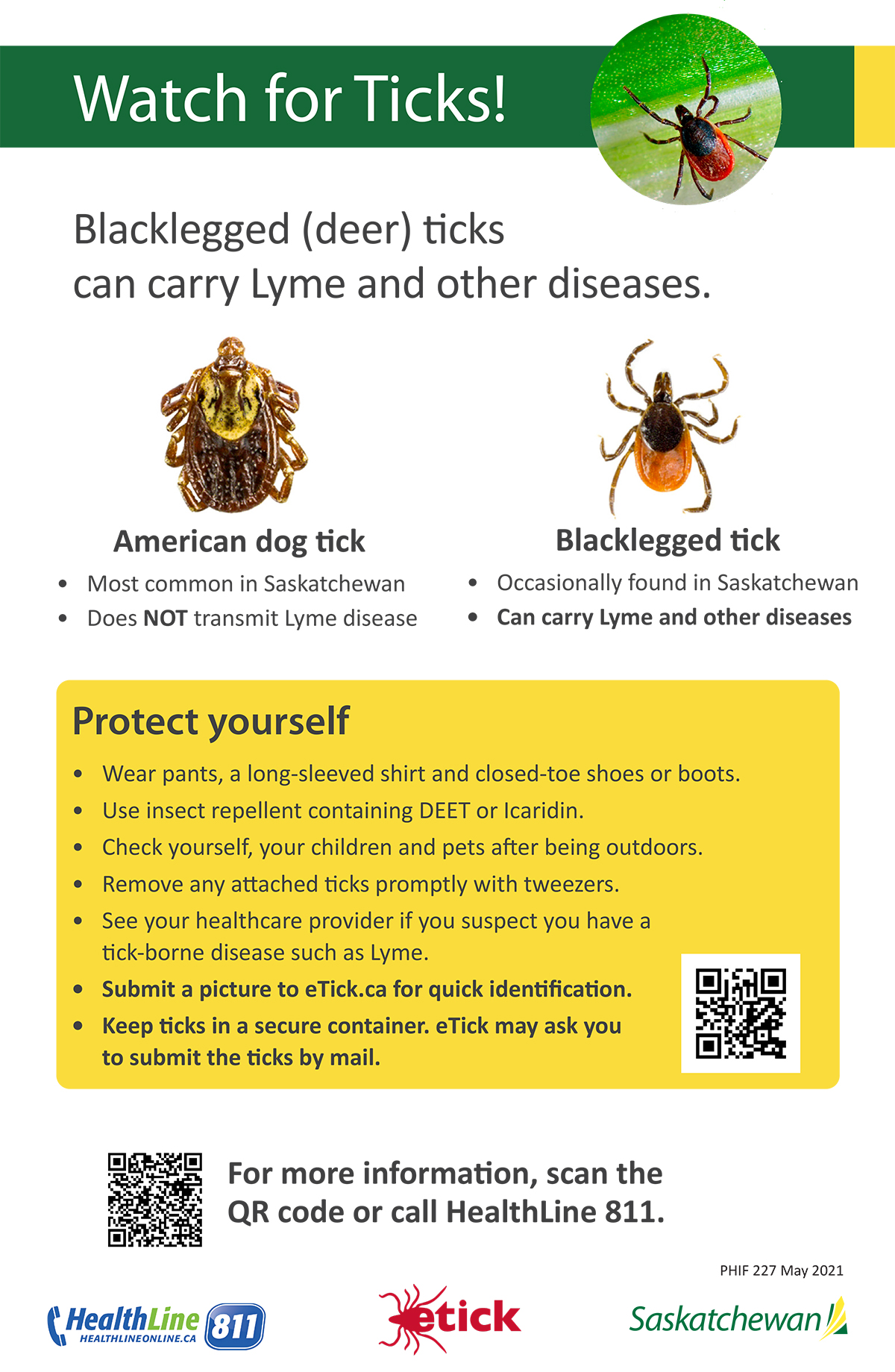
The situation in Saskatchewan serves as a case study for what happens when tick populations hit a tipping point. When a year is labeled “super-abundant,” the probability of a tick-human encounter increases exponentially. This mirrors the concerns of the RCDHU, though the scale in Saskatchewan indicates that the problem is accelerating in the Prairies just as it is in Eastern and Central Canada.
The contrast between the “caution” advised by RCDHU and the “super-abundance” reported in Saskatchewan highlights the varying stages of tick infestation across the country. Some regions are in the prevention and awareness phase, while others are dealing with an active surge in population density.
How can residents protect themselves from tick bites?
To combat the rising threat, health organizations are providing concrete steps for personal protection. The North West Health Unit (NWHU), as reported by the Winnipeg Sun, emphasizes a multi-layered approach to prevention. The goal is to create physical and chemical barriers between the tick and the human skin.
Physical Barriers and Clothing
The NWHU recommends specific clothing choices to minimize exposed skin. According to the Winnipeg Sun, residents should:
- Wear long sleeves and long pants: This reduces the surface area available for ticks to attach.
- Tuck pants into socks: This is one of the most effective ways to prevent ticks from crawling up the legs and reaching the skin.
- Choose light-colored clothing: Ticks are small and dark; wearing white or tan makes them much easier to spot before they reach the skin.
Chemical Repellents
Repellents are a secondary line of defense. Health guidelines suggest using EPA-approved repellents containing DEET, picaridin, or IR3535. Additionally, the NWHU suggests treating clothing and gear with permethrin, a repellent that kills ticks on contact and lasts through several washes. This is particularly useful for hikers, campers, and those working in high-risk environments.
Post-Outdoor Protocols
Protection does not end when a person leaves the woods. The Winnipeg Sun and NWHU advise a strict post-activity routine to ensure no ticks have hitched a ride:
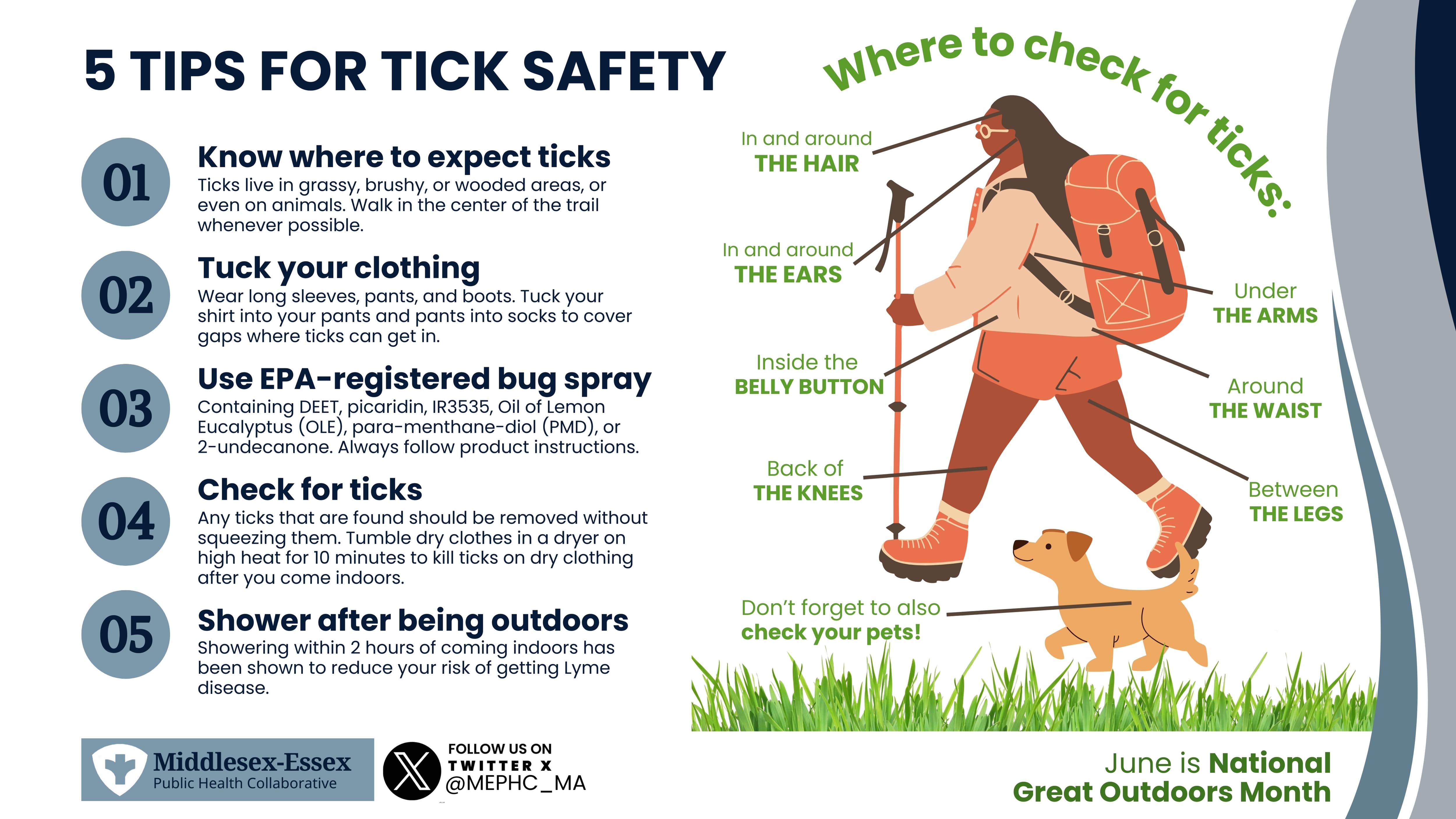
- Perform a full-body tick check: Check under the arms, in and around the ears, inside the belly button, behind the knees, and in the hair.
- Shower immediately: Showering within two hours of coming indoors can wash off unattached ticks.
- Dry clothes on high heat: Putting clothes in a dryer on high heat for 10 minutes can kill ticks that are clinging to fabric.
“Like it or not, the ticks are advancing and Canadians will have to adapt,” according to reports from the CBC.
Why does the spread of ticks matter for public health?
The primary concern for the RCDHU and other health bodies is the transmission of Lyme disease. Lyme disease is caused by the bacterium Borrelia burgdorferi and is transmitted to humans through the bite of infected black-legged ticks. If left untreated, Lyme disease can spread to the joints, heart, and nervous system.
The “fast spread” noted by the National Post is a public health concern because it moves the disease into populations that lack “community immunity” or awareness. In regions where ticks were previously rare, residents may not know how to identify a tick bite or recognize the early symptoms of Lyme disease, such as the characteristic “bullseye” rash (erythema migrans), fever, and fatigue.
Furthermore, the “super-abundant” year in Saskatchewan reported by The Weather Network increases the burden on the healthcare system. A spike in tick populations leads to a spike in clinical visits for tick removals and prophylactic antibiotic treatments. This puts pressure on primary care providers who must be vigilant in diagnosing tick-borne illnesses in areas where they were not historically common.
What are the common misconceptions about tick bites?
As ticks move into new areas, several myths often circulate. Health officials, including those at the NWHU and RCDHU, aim to correct these to ensure effective prevention.
Myth 1: Ticks jump or fly onto people
According to biological facts cited in health advisories, ticks do not jump or fly. Instead, they engage in a behavior called “questing.” They climb to the tips of grasses or shrubs and wait for a host to brush past them. This is why tucking pants into socks is so effective; it prevents the tick from simply crawling upward.
Myth 2: Using a hot match or nail polish to remove a tick works
Public health guidelines strongly discourage the use of heat, petroleum jelly, or nail polish to “suffocate” or “burn” a tick out. These methods can irritate the tick, causing it to regurgitate its stomach contents—including pathogens—back into the human bloodstream. The only recommended method is using clean, fine-tipped tweezers to grasp the tick as close to the skin as possible and pulling upward with steady, even pressure.
Myth 3: All ticks carry Lyme disease
Not every tick is infected, and not every species of tick can carry Lyme disease. However, because it is impossible to tell if a tick is carrying a pathogen just by looking at it, the RCDHU and NWHU advise treating every tick bite as a potential risk.
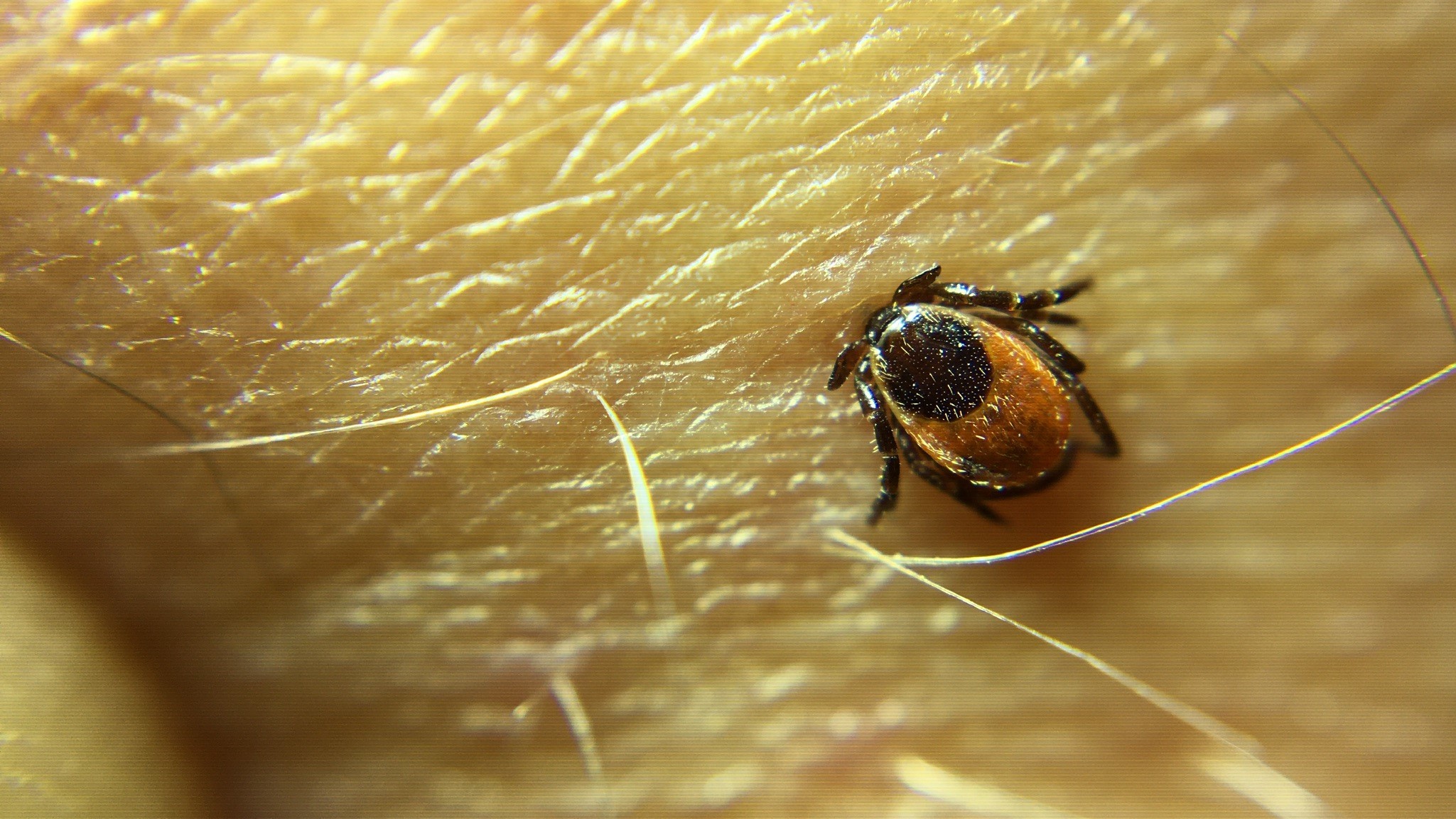
How should residents respond if they find a tick?
The immediate response to finding a tick is critical for reducing the risk of infection. Health authorities emphasize a calm, methodical approach to removal.
The Removal Process:
- Grasp the head: Use fine-tipped tweezers to grip the tick as close to the skin’s surface as possible.
- Pull straight up: Do not twist or jerk the tick, as this can cause the mouthparts to break off and remain in the skin.
- Clean the area: After removal, clean the bite area and your hands with rubbing alcohol or soap and water.
Residents are encouraged to monitor the bite site for 30 days. If a rash develops or if the person experiences flu-like symptoms, they should seek medical attention immediately. In some cases, physicians may prescribe a single dose of antibiotics as a preventative measure if the tick is identified as a high-risk species and was attached for a significant amount of time.
For those interested in more localized health updates, a related explainer on regional health advisories may provide further context on how the RCDHU communicates risks to the public.
What is the long-term outlook for tick prevalence in Canada?
The consensus among the sources is that tick populations are not receding. The CBC’s assertion that Canadians “will have to adapt” suggests that tick management is becoming a permanent part of Canadian outdoor life. This adaptation involves both individual behavioral changes and systemic public health shifts.
Long-term adaptation strategies include:
- Land Management: Creating “tick-safe zones” around homes by clearing tall grasses and creating gravel or woodchip barriers between lawns and wooded areas.
- Veterinary Care: Increasing the use of tick prevention medication for pets, who often bring ticks into the home.
- Enhanced Surveillance: Government and health agencies continuing to track the geographic movement of ticks to provide early warnings to new “at-risk” zones.
The “super-abundant” year in Saskatchewan and the “fast spread” reported by the National Post indicate that the window for “preventing” the arrival of ticks has closed in many regions. The focus has now shifted to “mitigating” the impact of their presence.
Frequently Asked Questions
What is the main reason RCDHU advises residents to exercise caution to prevent tick bites – mybarrysbaynow.com?
The RCDHU issued the advisory to protect residents from tick-borne illnesses, such as Lyme disease, as ticks expand their range into new areas. The goal is to encourage the use of protective clothing and repellents to minimize the risk of bites.
Are ticks only a problem in the summer?
While ticks are most active in the warmer months, they can be active whenever temperatures are above freezing. The CBC notes that as Canada adapts to advancing tick populations, awareness must remain high throughout the active seasons.
How do I know if a tick bite has caused an infection?
According to health guidelines, you should look for a “bullseye” rash (a red ring with a clear center) at the site of the bite. Other symptoms include fever, chills, fatigue, and muscle or joint aches. If these occur, consult a healthcare provider immediately.
Can pets bring ticks into the house?
Yes. Ticks often attach to dogs and cats in wooded or grassy areas. Health officials recommend checking pets for ticks after outdoor activity and using veterinarian-approved tick preventatives to reduce the risk of ticks entering the home.
What is the most effective way to remove a tick?
The only recommended method is using fine-tipped tweezers to grasp the tick as close to the skin as possible and pulling straight upward without twisting. Avoid using heat or chemicals to remove the tick.
For more information on protecting your home and family, you may find a related explainer on outdoor safety protocols useful for planning your summer activities.
