
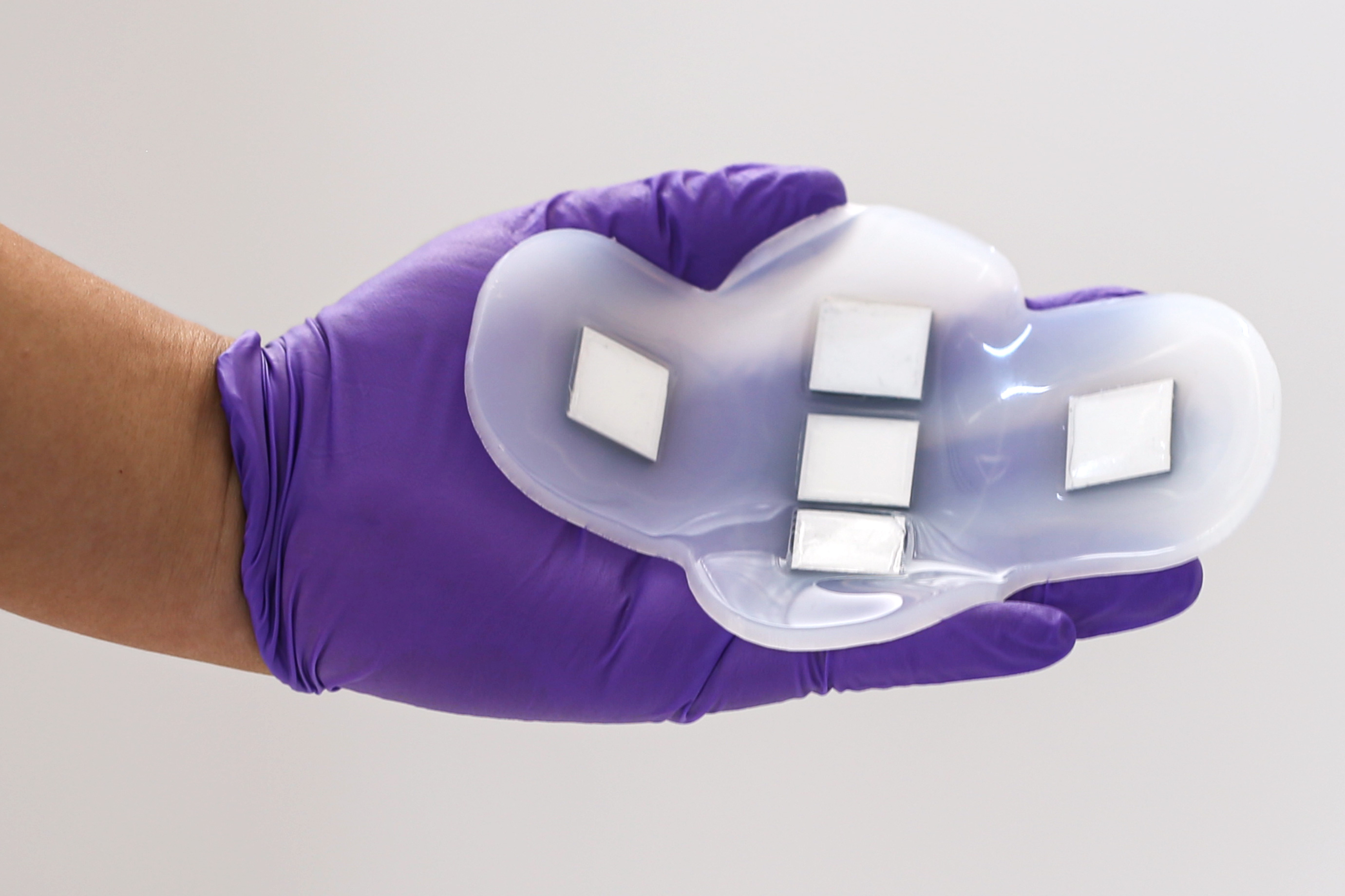
Researchers at the Massachusetts Institute of Technology (MIT) have developed an ultrasound-based pacemaker patch designed to regulate heart rhythms without the need for invasive surgery. According to reports on the technology, the device is applied externally to the skin and has successfully undergone initial testing in rat models.
- Technology: An ultrasound patch that regulates heart rhythms externally.
- Primary Benefit: Eliminates the need for surgical implantation of traditional pacemakers.
- Current Stage: Early-stage testing completed in rats.
- Target Population: Millions of patients suffering from heart rhythm disturbances.
How the ultrasound patch differs from traditional pacemakers
Standard pacemakers require a surgical procedure to implant a pulse generator and leads directly into the heart or blood vessels. The MIT-developed device replaces this invasive process with a non-surgical patch that adheres to the skin. According to the research team, the device uses ultrasound waves to stimulate the heart and regulate its beat from outside the body.
What the initial testing showed
The technology has not yet entered human clinical trials. The research team has focused its initial efforts on animal models, specifically testing the ultrasound patch on rats. These tests were designed to determine if external ultrasound stimulation could effectively manage heart regulation without internal hardware.
Who could benefit from this technology
If the technology proves successful in human trials, it could impact millions of people worldwide who suffer from heart rhythm disturbances. By removing the requirement for surgery, the patch could reduce the risks associated with implantation, such as infection or lead displacement, and provide a simpler alternative for patients who are poor candidates for traditional surgery.
What remains uncertain
Because the current data is based on rat models, the efficacy and safety of the device in humans remain unproven. The research team has not yet released data regarding the long-term durability of the patch or how it performs across different human body types and heart conditions.
