
BREAKING: BHP Bracing for Strike After WA Workers Back Industrial Action – Australian Broadcasting Corporation
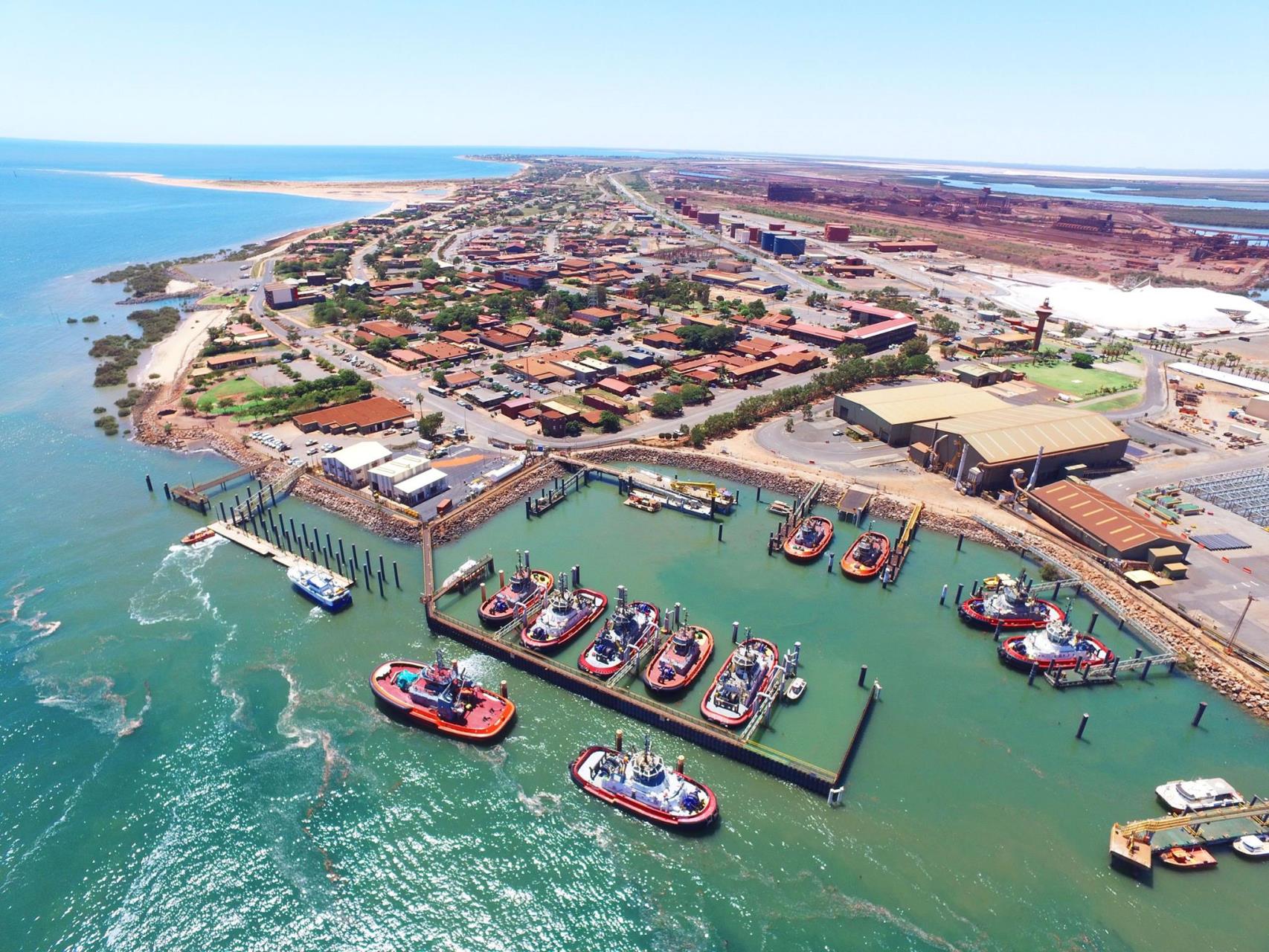
BHP is preparing for potential strikes in Western Australia after workers voted to support industrial action over a pay dispute. According to reports from the Australian Broadcasting Corporation and other major outlets, the company faces significant operational risks at Port Hedland, with some estimates suggesting potential losses of $126 million per day.
Why are BHP workers in Western Australia striking?
Workers at BHP’s Port Hedland operations have voted for industrial action following a deadlock in pay negotiations. According to The West Australian, the move comes after a prolonged impasse regarding a new pay deal, leaving employees and the company unable to reach an agreement on wages and conditions.
The dispute centers on the gap between the union’s demands and the offer put forward by BHP. While specific percentage figures for the pay gap remain a point of negotiation, the vote for industrial action signals a breakdown in diplomatic talks. This development places one of the world’s most productive iron ore hubs at risk of significant disruption.
Key drivers of the current unrest include:
- Wage Stagnation: Workers are seeking pay increases that align with the rising cost of living in Western Australia.
- Contractual Terms: Disagreements over the specific terms of the employment agreements.
- Industry Precedents: A broader trend of industrial volatility across the Pilbara region.
What is the potential financial impact of the BHP strike?
The financial stakes of a full-scale shutdown are immense. The Australian reports that BHP could face losses as high as $126 million per day if industrial action halts shipments at Port Hedland. This figure reflects the massive volume of iron ore that passes through the facility daily, which serves as a primary artery for BHP’s global exports.
The impact is not limited to immediate revenue loss. A prolonged strike could lead to:
- Supply Chain Disruptions: Delays in iron ore deliveries to international steel mills, particularly in China.
- Contractual Penalties: Potential fines or penalties for failing to meet delivery quotas.
- Market Volatility: Fluctuations in iron ore prices due to perceived supply shortages.
To put this in perspective, the difference in reporting between outlets highlights the severity of the crisis. While the Australian Broadcasting Corporation focuses on the immediate “bracing” for action, The Australian emphasizes the specific, staggering daily cost, framing the situation as a direct threat to the broader economy.
How is BHP responding to the threat of industrial action?
BHP is not relying solely on negotiations to keep its operations running. The Australian Financial Review (AFR) reports that the company is seeking to hire a “rebel workforce” to mitigate the impact of the strike. This strategy involves recruiting non-unionized workers or contractors to fill critical roles if the primary workforce walks off the job.
The use of replacement labor is a high-risk strategy that often escalates tensions between management and unions. By attempting to bypass the striking workers, BHP aims to maintain a minimum level of operational continuity and protect its revenue streams. However, such moves can lead to further industrial friction and potential legal challenges regarding labor laws.
BHP’s current response strategy includes:
| Strategy | Objective | Reported Source |
|---|---|---|
| Replacement Hiring | Maintain operations via a “rebel workforce” | AFR |
| Pay Negotiations | Resolve the impasse through a new deal | The West Australian |
| Operational Bracing | Preparing infrastructure for potential shutdowns | ABC |
What is the broader economic context of the Pilbara union showdowns?
The conflict at BHP is not an isolated incident. The Australian has characterized the showdowns in the Pilbara, alongside disputes at projects like Snowy 2.0, as a “fight for the economy.” This suggests a systemic trend of industrial unrest across Australia’s most critical infrastructure and resource projects.

The mining sector in Western Australia is a cornerstone of the national economy. Any significant disruption in the Pilbara region ripples through the Australian dollar and national GDP. The current climate is marked by a shift in bargaining power; with a tight labor market and high inflation, workers are increasingly emboldened to demand higher wages.
Comparing the BHP situation to other projects like Snowy 2.0 reveals a pattern: unions are leveraging the critical nature of these projects to secure better terms. Whether it is energy security (Snowy 2.0) or resource exports (BHP), the leverage lies in the ability to halt projects that the government and global markets deem “too big to fail.”
“The Pilbara and Snowy 2.0 union showdowns represent a broader struggle over the economic direction and labor costs of the country’s most vital projects.” — Analysis based on reporting from The Australian.
Who are the key stakeholders involved in the dispute?
Several parties have a vested interest in the outcome of the BHP industrial action, each with competing priorities:
BHP Management
The company’s primary goal is to maintain production levels and protect profit margins. While they need a stable workforce, they are wary of setting a wage precedent that could inflate costs across all their global operations. Their willingness to seek a “rebel workforce” indicates a preference for operational continuity over union harmony.
The Unionized Workforce
Workers at Port Hedland are focused on securing a pay deal that reflects the current economic reality. For them, the strike is a tool of last resort to force the company to move from its current position. The vote to back industrial action shows a high level of solidarity among the rank-and-file employees.
The Australian Government
While not a direct party to the negotiations, the government monitors these disputes closely. Industrial unrest in the mining sector can affect tax revenues and national economic stability. There is often pressure on both sides to reach a resolution to avoid a wider economic slump.
International Buyers
Steel producers in Asia, particularly in China, rely on a steady flow of iron ore from the Pilbara. Any disruption at Port Hedland could force these buyers to seek alternative sources or face production cuts, potentially driving up global iron ore prices.
What are the common misconceptions about this strike?
There is a common belief that a strike simply means “no work.” In the context of a massive operation like BHP’s Port Hedland, the reality is more complex. Industrial action can take several forms, including “work-to-rule” (where workers do the absolute minimum required by their contract) or rolling strikes that target specific shifts to cause maximum disruption with minimum lost wages for the workers.
Another misconception is that the “rebel workforce” mentioned by the AFR can easily replace thousands of skilled miners and port operators. Mining and shipping operations require highly specialized certifications and safety training. Hiring replacements is a slow process and cannot fully replace the institutional knowledge of a seasoned workforce, meaning some level of disruption is inevitable regardless of hiring efforts.
Finally, some view this as a simple greed-driven dispute. However, labor analysts point to the “Pilbara premium”—the high cost of living in remote WA towns—as a primary driver. Workers aren’t just seeking more money; they are seeking to maintain their purchasing power in an environment where housing and services are exceptionally expensive.
Timeline of the BHP Industrial Dispute
While the exact date of every negotiation is not public, the progression of the conflict follows a standard industrial relations trajectory:
- Negotiation Phase: BHP and union representatives meet to discuss the renewal of employment agreements.
- The Impasse: Parties fail to agree on pay increases and conditions, leading to a deadlock.
- The Ballot: Workers at Port Hedland vote on whether to authorize industrial action.
- Authorization: The majority of workers back the move to strike, as reported by the ABC.
- Bracing Phase: BHP begins preparing for shutdowns and seeking alternative labor (the “rebel workforce”) as reported by the AFR.
- Potential Action: The implementation of strikes, potentially costing the company $126 million per day.
For those following the broader trend of Australian labor disputes, a related explainer on Australian industrial relations laws may provide context on how these ballots and strikes are legally sanctioned.
How does this compare to previous mining disputes?
Historically, mining disputes in Australia have often been settled at the eleventh hour to avoid the catastrophic costs of a shutdown. The current situation is distinct because of the timing. With global economic uncertainty and shifting demand for iron ore, BHP is under more pressure to keep costs low, while workers are under more pressure from inflation to push wages up.
In previous decades, replacement labor was less common due to stricter union controls and different legal frameworks. The AFR’s report on the “rebel workforce” suggests a more aggressive stance from BHP than has been seen in some prior disputes, indicating a shift in how the company views its relationship with organized labor.
Furthermore, the framing of this as a “fight for the economy” by The Australian suggests that this is no longer just about one company and one group of workers. It is being viewed as a test case for how the Australian economy handles the tension between corporate profitability and labor rights in a high-inflation environment.
Frequently Asked Questions
What is the “rebel workforce” BHP is trying to hire?
According to the Australian Financial Review, a “rebel workforce” refers to non-unionized employees or external contractors that BHP intends to bring in to perform critical tasks. This is a strategy to ensure that operations at Port Hedland do not grind to a complete halt if unionized workers go on strike.

How much money is BHP losing per day during a strike?
The Australian reports that the potential cost of a strike at Port Hedland could reach $126 million per day. This figure accounts for the lost revenue from iron ore exports and the operational costs of a shutdown.
Where exactly is the industrial action taking place?
The primary focus of the current industrial action is at BHP’s operations in Port Hedland, Western Australia, within the Pilbara region.
Why did the workers vote for industrial action?
As reported by The West Australian, workers voted for industrial action after reaching an impasse in pay negotiations. The dispute is centered on disagreements over wage increases and employment conditions.
Is this part of a larger trend in Australia?
Yes. The Australian reports that the BHP dispute is part of a wider pattern of union showdowns across the country, citing similar tensions at the Snowy 2.0 project as evidence of a broader economic struggle between labor and industry.
The situation remains fluid as both BHP and the unions weigh the costs of a prolonged conflict against the benefits of a compromise. With millions of dollars on the line every day, the pressure to resolve the impasse is extreme, yet the gap between the two parties remains wide.
